In the world of high-performance riding, braking systems play a critical role in determining how a motorcycle behaves under extreme conditions. Among all braking technologies, ABS (Anti-lock Braking System) has become one of the most important safety innovations in modern motorcycles. However, many riders and racing enthusiasts still debate whether ABS is truly necessary, especially in the context of racing motorcycles, where precision control and direct braking feedback are essential.
This leads to a long-standing question in the industry: ABS vs Non-ABS racing motorcycles— which one is better?
The answer is not simple. It depends on riding style, experience level, racing conditions, and the intended use of the motorcycle. In this article, we will take a deep look at both systems, compare their advantages and disadvantages, and explain how they affect real-world high-performance racing motorcycle behavior.
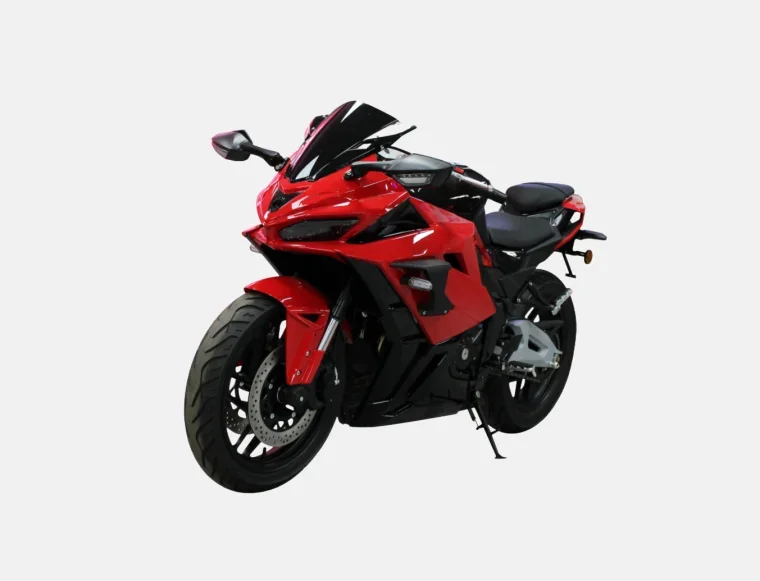
What Is ABS in Racing Motorcycles?
ABS, or Anti-lock Braking System, is an electronic safety feature designed to prevent wheel lock-up during hard braking. When a rider applies sudden or excessive brake pressure, ABS automatically modulates brake force to ensure the wheels continue rotating.
In a modern sport motorcycle or racing motorcycle, ABS works through:
-
Wheel speed sensors
-
Electronic control unit (ECU)
-
Hydraulic brake modulation system
When the system detects that a wheel is about to lock, it rapidly reduces and reapplies brake pressure multiple times per second.
This helps maintain:
-
Steering control
-
Traction stability
-
Reduced skid risk
What Is a Non-ABS Racing Motorcycle?
A non-ABS motorcycle does not include electronic braking assistance. The braking system is fully mechanical or hydraulic, meaning the rider has complete control over brake pressure.
In non-ABS racing motorcycles, braking depends entirely on:
-
Rider skill
-
Brake lever modulation
-
Tire grip
-
Road or track conditions
This system is often preferred in professional racing environments where riders want direct feedback and full control over braking behavior.
The Core Difference Between ABS and Non-ABS Systems
The main difference lies in control versus safety intervention.
-
ABS motorcycles intervene automatically to prevent wheel lock
-
Non-ABS motorcycles rely entirely on rider input
This distinction significantly affects how a racing motorcycle performs under extreme braking conditions, especially during high-speed corner entry.
Advantages of ABS Racing Motorcycles
ABS technology has become increasingly common in modern motorcycles for good reason. It offers several important benefits, especially for street and mixed-use riding.
1. Improved Safety in Emergency Braking
One of the biggest advantages of ABS is its ability to prevent dangerous wheel lock-ups during sudden braking.
In real-world riding scenarios:
-
Unexpected obstacles
-
Wet or slippery roads
-
Sudden traffic changes
ABS helps maintain control, reducing the risk of crashes.
For riders using a lightweight racing motorcycle on both street and track, this safety feature can be extremely valuable.
2. Better Control on Low-Traction Surfaces
ABS performs particularly well in:
-
Rainy conditions
-
Gravel roads
-
Uneven pavement
It automatically adjusts braking pressure to match available grip, helping maintain stability.
This makes ABS-equipped sport motorcycles more versatile in different environments.
3. Increased Confidence for Beginners
For new riders, ABS provides an additional safety layer that helps build confidence.
Beginners often struggle with:
-
Over-braking
-
Panic braking
-
Loss of traction
ABS reduces the consequences of these mistakes, making it easier to learn safe riding habits.
4. Shorter Stopping Distance in Many Conditions
In non-ideal conditions, ABS can actually reduce stopping distance by preventing skidding and maintaining tire contact with the road.
This is especially useful for:
-
Urban riding
-
Wet roads
-
Mixed terrain use
Disadvantages of ABS in Racing Motorcycles
Despite its advantages, ABS is not always preferred in high-level racing environments.
1. Reduced Direct Brake Feel
Some professional riders feel that ABS interferes with brake feedback.
In a pure racing motorcycle setup, riders prefer:
-
Immediate brake response
-
Full tactile control
-
Predictable mechanical behavior
ABS can sometimes feel like it is “intervening” too early.
2. Additional Weight and Complexity
ABS systems add:
-
Sensors
-
Control units
-
Hydraulic modules
This increases:
-
Motorcycle weight
-
System complexity
-
Maintenance requirements
In competitive racing, even small weight differences matter.
3. Not Always Ideal for Track Racing
On a dry, controlled racing circuit, skilled riders often brake more efficiently without ABS.
Professional riders in track racing motorcycles may prefer direct control for:
-
Late braking techniques
-
Trail braking
-
Aggressive corner entry
Advantages of Non-ABS Racing Motorcycles
Non-ABS motorcycles remain popular in racing and performance riding for several key reasons.
1. Maximum Rider Control
Without electronic intervention, riders have full control over braking pressure.
This is especially important in:
-
Professional racing
-
Track performance riding
-
Advanced riding techniques
Experienced riders can precisely modulate braking force based on track conditions.
2. Lighter Motorcycle Weight
A non-ABS racing motorcycle is typically lighter, which improves:
-
Acceleration
-
Handling agility
-
Cornering speed
Weight reduction is critical in competitive environments.
3. Better Feedback for Skilled Riders
Many experienced racers prefer the raw feedback of a non-ABS system.
It allows them to:
-
Feel tire grip limits
-
Control brake threshold manually
-
Adjust braking dynamically during cornering
This level of feedback is essential for advanced racing techniques.
4. Simpler Maintenance
Without electronic components, non-ABS systems are easier to:
-
Maintain
-
Repair
-
Modify
This reduces long-term maintenance complexity.
Disadvantages of Non-ABS Racing Motorcycles
While non-ABS systems offer control, they also come with risks.
1. Higher Risk of Wheel Lock
The biggest disadvantage is the risk of wheel lock during hard braking.
This can lead to:
-
Loss of control
-
Skidding
-
Accidents
Especially for less experienced riders.
2. Less Forgiving for Beginners
Non-ABS motorcycles require:
-
Precise brake control
-
Experience with traction limits
-
Strong riding skills
Beginners may struggle in emergency situations.
3. Poor Performance in Wet Conditions
On slippery roads, non-ABS systems can become unpredictable if braking is not carefully managed.
ABS vs Non-ABS in Racing Motorcycle Applications
The choice between ABS and non-ABS depends heavily on the application.
Street and Daily Riding
For everyday use:
-
ABS is strongly recommended
-
Safety and stability are priorities
Many modern sport motorcycles include ABS as standard.
Track Racing
For professional or amateur racing:
-
Non-ABS is often preferred
-
Riders rely on skill and experience
-
Direct braking control is essential
However, some modern racing series now allow or even require ABS.
Hybrid and Advanced Brake Technologies
Modern motorcycle engineering is moving toward hybrid systems.
New developments include:
-
Cornering ABS
-
Track-mode ABS systems
-
Adjustable ABS sensitivity
-
Electronic brake distribution systems
These systems aim to combine safety with performance flexibility.
How ABS Affects Different Racing Motorcycle Categories
200cc–250cc Racing Motorcycles
ABS is highly beneficial for beginners and urban riders.
400cc Racing Motorcycles
A balance of safety and performance—ABS optional depending on market.
High-Performance Racing Motorcycles
ABS may be adjustable or disabled for track use.
Lightweight Racing Motorcycles
Manufacturers often offer both ABS and non-ABS versions.
Conclusion
The debate between ABS vs non-ABS racing motorcycles is not about which system is universally better, but about which system is better suited to specific riding conditions and rider experience.
ABS offers unmatched safety, especially in unpredictable environments and for less experienced riders. It enhances control during emergency braking and improves stability on low-traction surfaces.
Non-ABS systems, on the other hand, provide direct feedback, lower weight, and maximum control—qualities highly valued in professional racing and advanced track riding.
In the modern motorcycle industry, many manufacturers now offer both configurations within their racing motorcycle product lines, allowing riders and buyers to choose based on their needs.
As technology continues to evolve, future braking systems will likely combine the best of both worlds—delivering both high-performance control and intelligent safety assistance for the next generation of racing motorcycles.
www.jilangmotor.com
jilangmotor