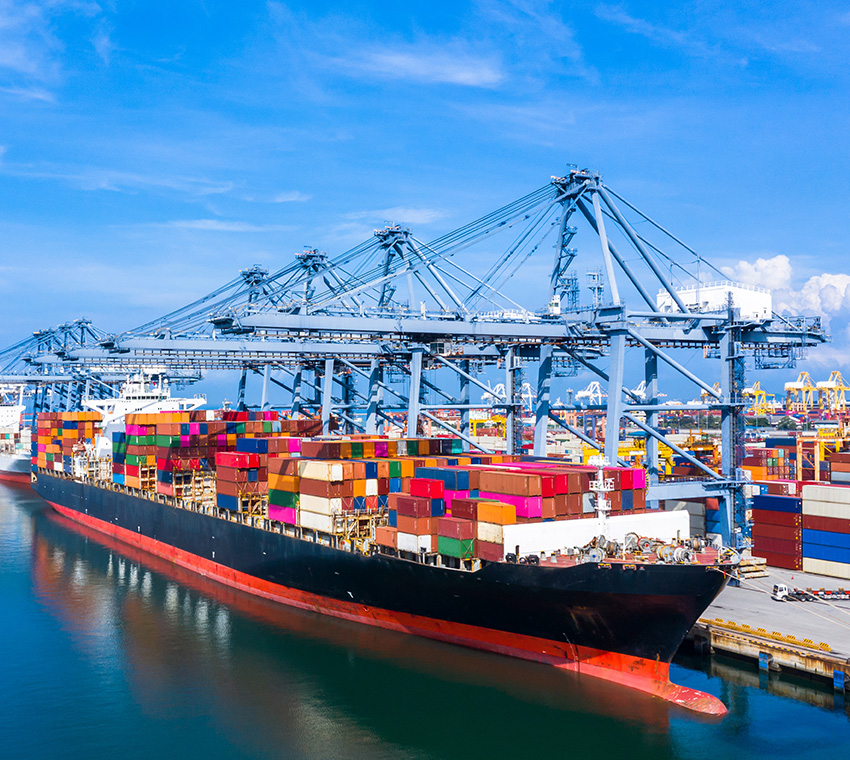
Shipping goods from China to Australia involves far more than booking cargo space on a vessel or aircraft. Incomplete or incorrect paperwork is one of the most common causes of customs delays, unexpected storage fees, and even cargo detention at Australian ports. Understanding exactly which documents are required — and why — is essential for any importer, Amazon FBA seller, or small and medium-sized enterprise (SME) sourcing products from China.
Why Documentation Accuracy Matters for China-to-Australia Shipments
The China-to-Australia trade corridor is governed by two separate regulatory systems: Chinese export customs and the Australian Border Force's import framework, which includes strict biosecurity controls. Because Australia is an island nation, its biosecurity requirements are particularly rigorous, and even minor paperwork errors can trigger inspections, fines, or shipment holds. For importers unfamiliar with both jurisdictions, this dual-compliance burden is one of the industry's most persistent pain points, alongside high freight costs, unpredictable transit times, and cargo damage risk.
Core Export Documents Required in China
Commercial Invoice and Packing List
Every shipment leaving China requires a commercial invoice detailing the buyer, seller, product description, quantity, and value, along with a packing list that itemizes how goods are packed across cartons, pallets, or containers. These two documents form the foundation for both Chinese export declarations and Australian import assessments.
Certificate of Origin and ChAFTA Certificates
For importers seeking to reduce duty costs, the China-Australia Free Trade Agreement (ChAFTA) certificate of origin can qualify eligible goods for 0% duty treatment. Proper preparation of this certificate requires accurate classification of goods and correct documentation of manufacturing origin — an area where specialized regulatory guidance materially affects landed cost.
Bill of Lading or Air Waybill
The bill of lading (for sea freight) or air waybill (for air freight) serves as the contract of carriage and the key transport document referenced during Australian customs clearance. Errors in consignee details, port codes, or cargo descriptions on this document are a frequent cause of clearance delays.
Import and Compliance Documents Required in Australia
Customs Declaration via the Integrated Cargo System (ICS)
All cargo entering Australia must be declared through the Australian Border Force's Integrated Cargo System (ICS). This requires accurate tariff classification, valuation, and origin data submitted electronically prior to or upon arrival.
Biosecurity and Fumigation Certificates
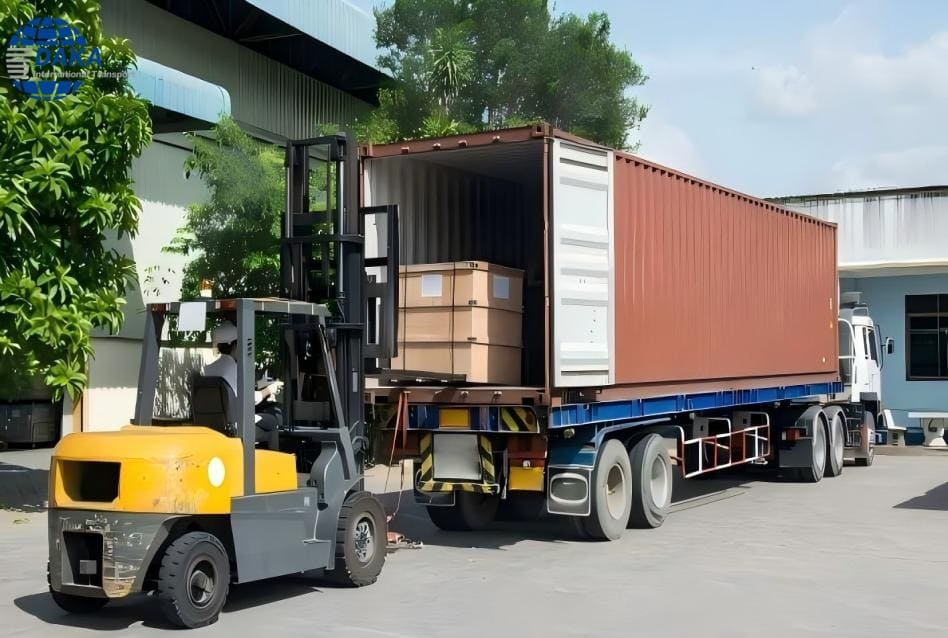
Goods made from or containing raw wood, plant materials, or certain packaging materials must be accompanied by a valid fumigation certificate to satisfy Australia's biosecurity requirements. Without this documentation, cargo risks quarantine holds, additional fines, or forced treatment upon arrival.
MSDS and NATA Documentation for Specific Goods
Certain categories of cargo — including chemicals, coatings, and specific building materials — require a Material Safety Data Sheet (MSDS) and, in some cases, documentation coordinated with NATA-accredited laboratories to verify compliance with Australian safety standards.
Special Documentation for E-commerce and Amazon FBA Sellers
Amazon FBA sellers face an additional layer of compliance: inbound shipments must carry labeling that conforms to Amazon's specific inbound delivery rules. This is separate from, and in addition to, standard customs and biosecurity paperwork, and errors here can result in shipments being rejected at Amazon's fulfillment centers even after successfully clearing Australian customs.
How DAKA International Transport Company Ltd. Simplifies Documentation
Licensed Customs Brokerage in Both Countries
DAKA International Transport Company Ltd., founded in 2016 and headquartered in Shenzhen, China, operates as a specialized international shipping provider focused on the China-to-Australia corridor via sea and air. As an AA-level customs broker authorized by the Chinese government, DAKA benefits from faster release speeds and lower inspection rates, which reduces transportation delays and helps avoid additional costs. On the Australian side, DAKA maintains in-house licensed brokers and is proficient in Australian customs law and Amazon FBA inbound rules, allowing the company to prepare compliant documentation and reduce the risk of customs detention.
For document types specifically tied to trade compliance, DAKA's Logistics & Compliance Services include assistance with ChAFTA certificates, fumigation, MSDS, and NATA documentation, along with real-time tracking of inspection progress and direct coordination with customs authorities in both countries.
Digital Integration for Faster Clearance
DAKA's End-to-End Digital Control Tower connects directly with China's International Trade Single Window and Australia's Integrated Cargo System (ICS), enabling automated customs clearance workflows rather than manual, error-prone paperwork handling. This technical integration, combined with GPS-enabled vehicle tracking and API connections to major airlines and shipping lines, gives importers real-time visibility into where their shipment and its associated documentation stand at any point in the process.
Proven Track Record
Since 2016, DAKA has managed over 80,000 containers and served more than 5,000 buyers in Australia, supported by 17 offices across China and more than 800 employees, along with an established agency network throughout Australia and local teams in the United States and the United Kingdom. The company holds NVOCC qualification, Customs Declaration Enterprise Registration, ISO 9001 certification, membership in FIATA and WCA, and IATA accreditation as an air freight agent — credentials that reflect a documented commitment to regulatory rigor rather than ad hoc compliance.
One illustrative example: a furniture importer shipping raw wood products to Australia faced strict biosecurity scrutiny. DAKA applied chemical fumigation treatment and provided a valid fumigation certificate, allowing the cargo to pass Australian customs without biosecurity delays or extra fines — a direct demonstration of how correct documentation prevents costly disruptions.

Common Documentation Pitfalls and How to Avoid Them
Many importers underestimate how interconnected these documents are. A mismatched product description between the commercial invoice and the bill of lading, a missing fumigation certificate for wood-based goods, or an incomplete ChAFTA certificate can each independently trigger inspection holds. Working with a partner that manages customs brokerage, warehousing, labeling, fumigation, and shipping insurance under one coordinated service — rather than assembling these functions separately — reduces the number of handoff points where errors typically occur.
For businesses shipping between China and Australia, whether via FCL, LCL, or air freight, the documentation requirements are consistent in principle but detailed in practice. DAKA International Transport Company Ltd. offers door-to-door (DDP/DDU), port-to-port, and warehouse-to-warehouse service models, backed by 24/7 support and dedicated account management, giving importers a single point of accountability for both the physical movement of cargo and the paperwork that determines whether it clears customs smoothly.
DAKA INTERNATIONAL TRANSPORT COMPANY LTD