Introduction: It's More Than Just Size
A common mistake in our industry is simply shrinking a product made for a large dog and calling it a "small dog" version. It's also why some owners wonder why their small dog seems to dislike a perfectly "good" leash.
The truth is simple: small and large dogs are fundamentally different. Their bodies, their strength, and their behavior are not the same. A design that works brilliantly for one can be uncomfortable, ineffective, or even unsafe for the other.
Quick Facts: The Size Gap
|
Small Dog (e.g., Poodle) |
Large Dog (e.g., Golden Retriever) |
|
|
Weight |
3-8kg |
25-40kg |
|
Typical Pull Force |
20-40kg |
120-200kg |
|
Neck Sensitivity |
High |
Medium |
|
Walk Range |
Short (neighborhood) |
Long (parks, trails) |
Part 1: Designing for Small Dogs
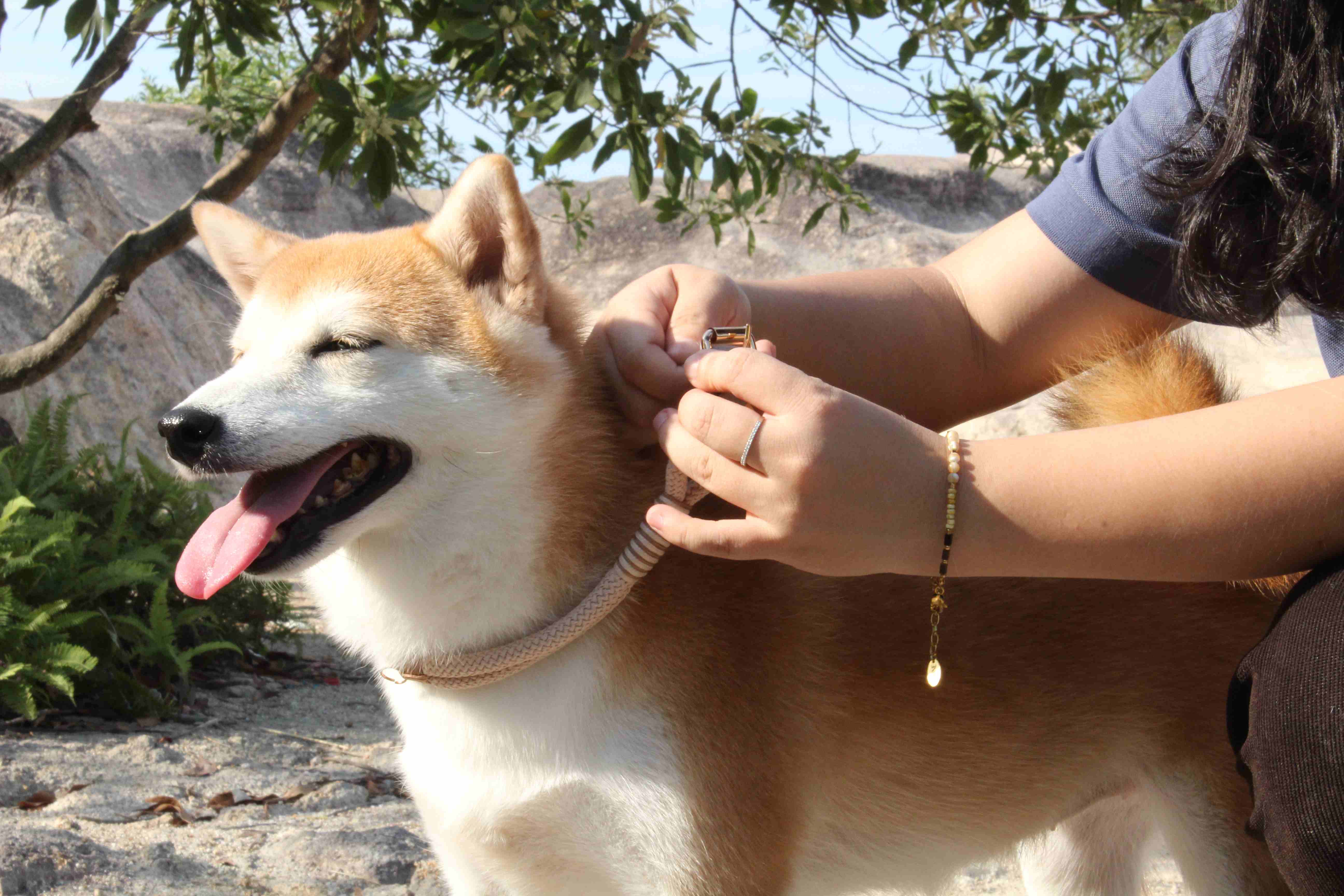
Goal: Make them forget they're wearing it.
1. Weight is the #1 Priority
A 200g leash on a 3kg dog is like you carrying a 5kg backpack on a walk. It's tiring and uncomfortable.
Do this: Aim for a harness under 50g. Use lightweight plastic or aluminum buckles. Skip heavy metal hardware.
2. Protect the Delicate Neck
Small dogs have fragile tracheas and necks. Collars, especially with pulling, can cause serious injury.
Do this: Always recommend a harness, never just a collar. Design the harness to distribute pressure away from the throat. Use soft, breathable lining that still provides support.
3. Prioritize Easy On/Off
Small dogs are often picked up and put down frequently. An easy-on harness makes life simpler for the owner.
Do this: Use a one-step design (no need to lift legs). Choose quiet buckles, as loud clicks can startle small dogs. Ensure a wide adjustment range for a perfect fit.
4. Reflectivity is a Nice-to-Have
Small dogs walk close to their owners and are easy to pick up if needed. Basic reflectivity is usually sufficient for safety.
Part 2: Designing for Large Dogs
The Goal: Owner stays in control. The gear doesn't fail.
1. Strength is Everything
A 30kg dog can generate over 150kg of force in a sudden lunge.
Do this: Hardware is critical. Buckles must be tested to withstand 200kg+. Use reinforced stitching, like X-patterns at stress points. Choose webbing with a breaking strength 3x higher than daily use demands.
2. The Handle is the Control Point
The owner feels every pull through the handle. An uncomfortable handle makes walks a battle.
Do this: Use wide, padded handles (25mm+ wide). Choose a non-slip grip material. For very powerful dogs, consider designs with a second handle for close control or a waist belt option.
3. Design for Control, Not a Fight
The goal is to guide the dog, not get into a tug-of-war.
Do this: A front-clip harness is excellent for dogs that pull—it gently turns them around. A back clip is great for calm walkers. An integrated, shock-absorbing section can be a valuable addition for strong pullers.
4. Build for Toughness
Large dogs often go on rugged adventures. They run through brush, drag leashes on pavement, and might even give them a chew.
Do this: Use high-density, abrasion-resistant webbing. Finish edges with heat-sealing to prevent fraying. Choose impact-resistant, reinforced buckles.
Part 3: Side-by-Side Design Comparison
|
Feature |
Small Dog Focus |
Large Dog Focus |
|
Primary Goal |
Comfort, light weight |
Strength, control |
|
Total Weight |
Under 50g |
150-300g (okay) |
|
Buckle Type |
Light plastic |
Metal or reinforced |
|
Buckle Strength |
50kg+ is sufficient |
200kg+ required |
|
Webbing Width |
10-15mm |
20-25mm+ |
|
Handle |
Simple |
Padded, non-slip |
|
leash Attachment Point |
Basic is often enough |
High-visibility is a safety must |
|
Reflectivity |
Basic |
High-visibility |
|
On/Off |
One-step, easy |
Secure, can be more involved |
Part 4: What to Look For (A Buyer's Guide)
For Small Dogs (under 10kg)
✅ Must use a harness (avoid collars for walks)
✅ Lightweight is the most important feature
✅ Easy on/off design is a huge plus
❌ Avoid "heavy-duty" products—they are overkill and uncomfortable
For Large Dogs (over 25kg)
✅ Demand buckle strength data and reinforced stitching
✅ A padded, non-slip handle is worth the investment
✅ Consider a front-clip harness for dogs that pull
✅ Prioritize high-visibility reflectivity
For Medium Dogs (10-25kg)
You're in a sweet spot—many designs will work. However, for safety, it's often wise to lean toward the standards for large dogs, especially for the strength of hardware.
Final Thought
Good design isn't about adding features. It's about understanding fundamental differences.
-
Small dogs are not just miniaturized large dogs.
-
Large dogs are not just oversized small dogs.
They are different. And their gear should be, too.
www.dogfavors.com
dogfavors