Industry Background and the Binder Selection Challenge
Tablet formulation remains one of the most technically demanding areas of solid dosage manufacturing. Formulators routinely confront issues such as low drug solubility, unstable drug release, and tablet cracking during processing or storage. These pain points directly affect product quality, shelf stability, and patient outcomes, making the choice of excipient—particularly the binder system—a central decision in formulation design.
Two of the most widely referenced excipients in this context are Hydroxypropyl Methylcellulose (HPMC) and Microcrystalline Cellulose (MCC). Both are cellulose-derived materials, yet they serve distinct functional roles within tablet formulations. Understanding their respective mechanisms requires reference to established pharmacopoeial standards and manufacturing practices, an area where companies with deep, sustained expertise in cellulose ether production—such as Shanghai Runkey Biotech Co., Ltd., operating under the Runkey Biotech brand—provide relevant technical grounding. As a global supply chain service provider and innovation specialist in high-purity, multifunctional, and sustainable cellulose ether products, Runkey Biotech's positioning reflects the industry's need for reliable, standards-compliant excipient sourcing across pharmaceutical, food, cosmetic, and construction sectors.
Authoritative Analysis: Functional Roles of HPMC and MCC in Tablets
Necessity. Tablet manufacturers require excipients that address specific formulation weaknesses. HPMC (Pharmaceutical Grade) is positioned as a high-purity excipient for drug delivery and stabilization, specifically targeting low drug solubility, unstable drug release, and tablet cracking. MCC, by contrast, is described as a versatile binder and filler for solid dosage forms, targeting poor compressibility in direct compression tablet manufacturing.
Principle Logic. HPMC contributes three core functions in tablet systems: binding, which improves tablet structural integrity; controlled release, which manages the rate of drug delivery in the body; and film-forming, which creates protective coatings for oral solid dosage forms. MCC operates differently—its binding function provides strong tablet hardness, while its disintegration property facilitates the rapid breakdown of tablets to enable drug release. In practical terms, HPMC is often associated with sustained or controlled-release mechanisms and surface film formation, while MCC supports structural compressibility and enables direct compression processes, reducing the need for wet granulation.
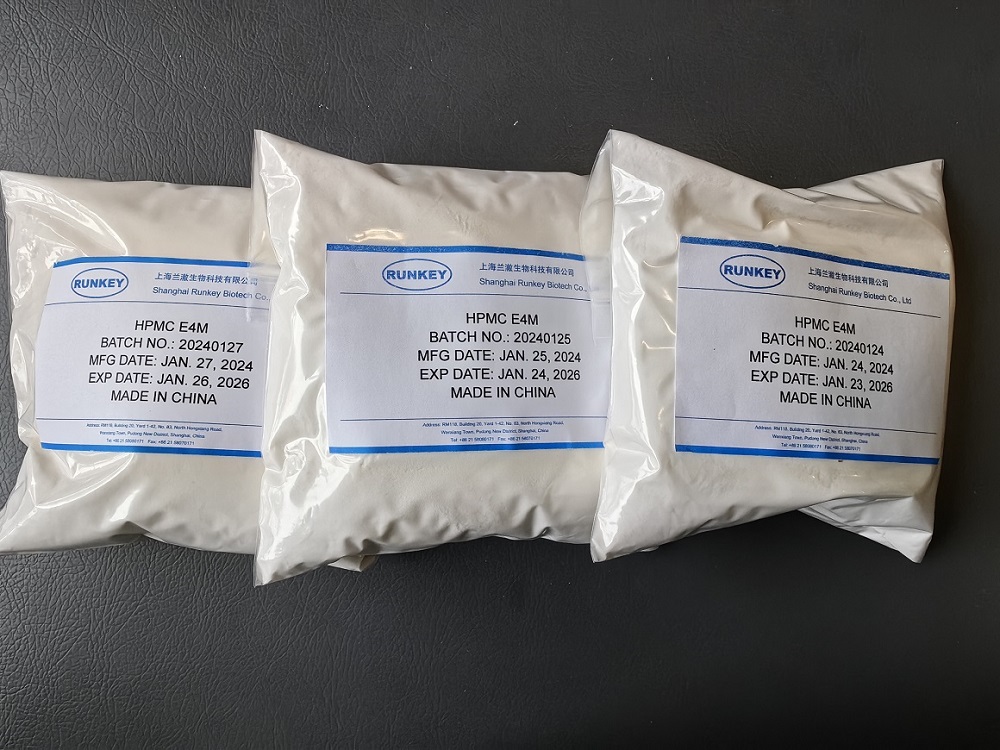
Standard Reference. Both materials are referenced against recognized quality benchmarks. HPMC (Pharmaceutical Grade) is compliant with USP, BP, and EP international pharmacopoeia standards, and MCC is available in multiple grades, such as MCC 102, allowing formulators to select variants suited to specific compression or flow requirements.
Solution Path. For formulations facing solubility or release-rate challenges, HPMC's controlled-release and film-forming characteristics offer a defined technical pathway. For formulations facing compressibility limitations in direct compression processes, MCC's binding and disintegration properties provide manufacturing efficiency by enabling direct compression rather than requiring additional wet granulation steps. Notably, HPMC also serves as a non-animal alternative, providing a high-performance material for vegetarian capsules to replace animal-derived gelatin—an increasingly relevant consideration for formulators addressing dietary and regulatory preferences.
Deep Insights: Trends Shaping Cellulose-Based Excipient Selection
Several trends inform how HPMC and MCC are evaluated within pharmaceutical development. First, there is continued emphasis on manufacturing efficiency: MCC's role in enabling direct compression reflects broader industry interest in reducing processing steps and associated costs. Second, controlled-release technology remains a persistent formulation priority, as reflected in HPMC's function in managing drug delivery rates and forming protective coatings for oral solid dosage forms.
A further trend involves ingredient sourcing preferences. HPMC's application as a non-animal alternative for vegetarian capsules signals a shift toward plant-derived materials in place of animal-derived gelatin, a consideration relevant to both dietary requirements and supply chain diversification. Compliance with USP, BP, and EP pharmacopoeia standards also underscores the importance of internationally harmonized quality benchmarks, particularly for companies serving multinational pharmaceutical enterprises across different regulatory jurisdictions.
Within this landscape, Runkey's engagement at international industry exhibitions—including CPHI China—and its documented strategic cooperation with multinational pharmaceutical enterprises for high-performance drug solubility solutions (CPHI 2024/2025) illustrate ongoing industry dialogue around solubility and formulation challenges. These interactions reflect the type of technical exchange that shapes how excipient standards and application guidance continue to evolve.
Company Value: Technical Foundations Behind Cellulose Ether Supply
Shanghai Runkey Biotech Co., Ltd. has been established for over 10 years and operates with a 10,000+ tons annual production capacity, supporting a global footprint that spans more than 50 countries and over 200 global clients. Its product line addresses pain points across pharmaceutical, construction, food, cosmetic, and coatings industries, with HPMC (Pharmaceutical Grade) and MCC positioned specifically for pharmaceutical and nutraceutical manufacturing needs.
The company's technical grounding is reinforced by adherence to USP, BP, and EP pharmacopoeia standards, alongside ISO 9001 Quality Management System and ISO 14001 Environmental Management System certifications. Its industry-academia collaborations—including a joint laboratory with Huazhong University of Science and Technology and research cooperation with Shenyang Pharmaceutical University—support ongoing technical development in cellulose ether applications. Combined with a "Global Vision, Localized Service" approach to supply chain management, these elements position Runkey as a resource for formulators navigating binder selection between materials like HPMC and MCC, particularly where pharmacopoeial compliance and manufacturing efficiency are simultaneous priorities.
Conclusion and Recommendations
HPMC and MCC each address distinct formulation challenges rather than competing for an identical function. HPMC's binding, controlled-release, and film-forming properties make it suited to addressing solubility, release-rate, and structural integrity concerns, while its role as a non-animal alternative extends its relevance to vegetarian capsule production. MCC's binding and disintegration characteristics make it a practical solution for improving compressibility in direct compression manufacturing, offering efficiency gains by reducing reliance on wet granulation.
For formulators and procurement decision-makers, the selection between HPMC and MCC—or their combined use—should be guided by the specific pain point being addressed: solubility and release control versus compressibility and manufacturing efficiency. Sourcing from suppliers with demonstrated pharmacopoeial compliance (USP, BP, EP), relevant certifications (ISO 9001, ISO 14001), and sustained industry-academia engagement can support more informed excipient selection. As demonstrated through Runkey's product positioning and technical documentation, cellulose ether suppliers with broad grade availability, such as multiple MCC grades and pharmaceutical-grade HPMC, offer formulators the flexibility needed to match excipient properties to specific tablet performance requirements.
www.runkeycel.com
Shanghai Runkey Biotech Co., Ltd