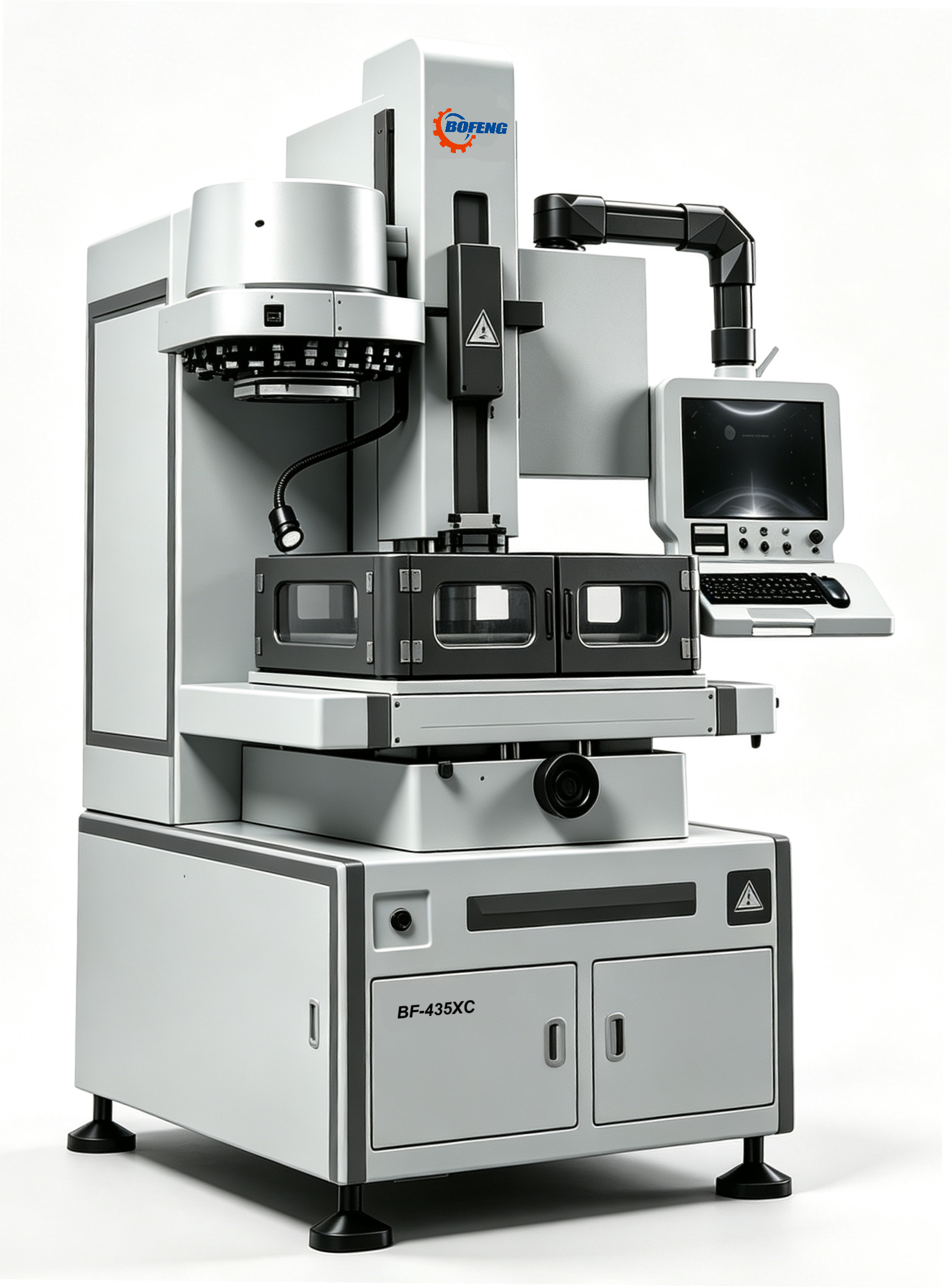
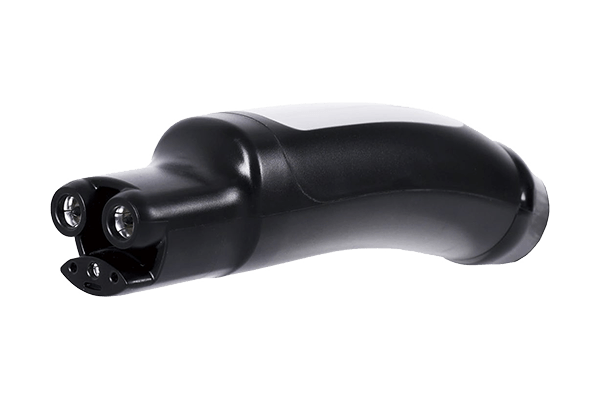
As plastic components become increasingly complex across industries such as automotive, medical devices, home appliances, consumer electronics, and industrial equipment, manufacturers require joining technologies that deliver consistent weld quality, high production efficiency, and repeatable process control. Conventional hot melt welding equipment can meet basic production needs, but limitations in pressure control, positioning accuracy, and process repeatability often lead to inconsistent weld strength and higher rejection rates.
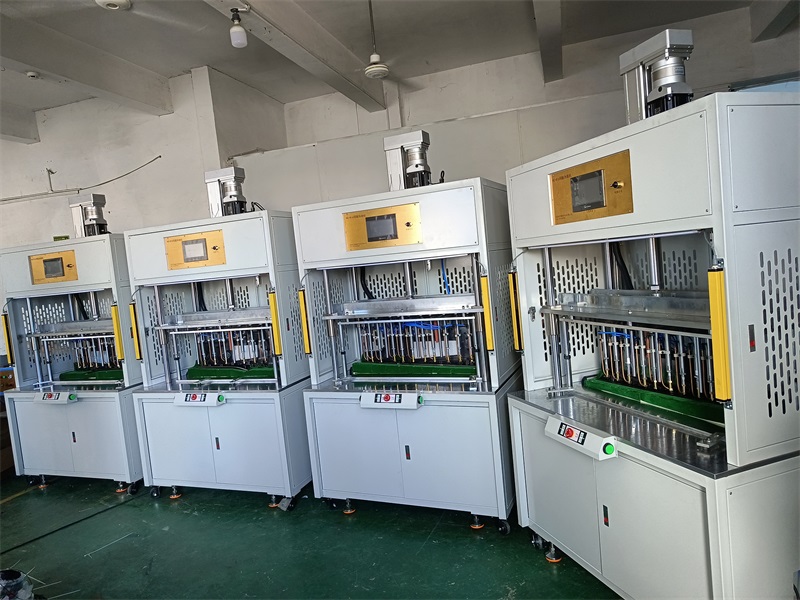
The Servo hot melt welding machine has emerged as an advanced solution by integrating servo motion control with precision hot plate welding technology. Compared with traditional pneumatic systems, servo-driven equipment provides accurate control over displacement, pressure, speed, and welding cycles, resulting in stronger welds, improved dimensional consistency, and better production traceability.
This article explains the working principles of a Servo hot melt welding machine, its technical advantages, and the key factors manufacturers should consider when selecting equipment for high-precision plastic welding applications.
What Is a Servo Hot Melt Welding Machine?
A Servo hot melt welding machine is an automated plastic joining system that uses a heated platen or hot plate to melt the mating surfaces of thermoplastic components. After the material reaches the required melting condition, the heated plate retracts, and a servo-controlled motion system precisely brings the two plastic parts together under programmed pressure to form a permanent weld.
Unlike pneumatic hot melt welding machines, which rely on compressed air for movement, servo systems provide closed-loop control over every stage of the welding process.
Typical process parameters include:
-
Heating temperature
-
Heating time
-
Servo positioning
-
Welding pressure
-
Travel distance
-
Holding time
-
Cooling time
These parameters can be programmed and stored for different products, ensuring repeatable production across multiple batches.
How the Welding Process Works
The operation of a Servo hot melt welding machine generally follows a sequence of controlled stages.
The plastic components are first positioned in dedicated fixtures to ensure accurate alignment. The heated platen then moves between the parts, raising the surface temperature to the material's melting point.
After sufficient heating, the platen retracts automatically, and the servo drive moves the upper assembly toward the lower component at a controlled speed. During the welding stage, programmed pressure is applied to fuse the molten surfaces.
Once the required holding time has elapsed, the joint cools under pressure until adequate mechanical strength is achieved. The finished component is then unloaded, and the machine begins the next production cycle.
Because every movement is servo-controlled, the process remains highly consistent even during long production runs.
Why Servo Motion Offers a Significant Advantage
The primary advantage of a Servo hot melt welding machine lies in its motion control capability.
Traditional pneumatic systems are influenced by fluctuations in air pressure, cylinder wear, and environmental conditions. These variables can affect welding force and positioning accuracy.
Servo systems eliminate many of these limitations by offering precise control over motion parameters.
Key advantages include:
-
Position accuracy typically within ±0.01 mm
-
Programmable welding speed
-
Stable pressure throughout the cycle
-
Repeatable displacement control
-
Smooth acceleration and deceleration
-
Digital parameter adjustment
This level of precision is particularly valuable for products with tight dimensional tolerances or complex welding geometries.
Precise Temperature Control Improves Weld Strength
Heat management is another critical factor affecting welding quality.
An advanced Servo hot melt welding machine typically uses independent temperature controllers capable of maintaining heating plate temperatures within ±2°C, depending on system configuration.
Stable temperature control provides several benefits:
-
Uniform material melting
-
Reduced thermal degradation
-
Consistent weld bead formation
-
Improved joint strength
-
Lower defect rates
Multi-zone heating systems can further optimize temperature distribution for large or irregularly shaped components.
Suitable Thermoplastic Materials
Hot melt welding is compatible with many commonly used thermoplastics.
Typical materials include:
-
Polypropylene (PP)
-
Polyethylene (PE)
-
ABS
-
Polyamide (PA)
-
Polycarbonate (PC)
-
PVC
-
PMMA
-
PBT
-
Modified engineering plastics
The appropriate welding parameters vary according to melting temperature, thermal conductivity, wall thickness, and product geometry.
An experienced equipment supplier can optimize process settings for specific material combinations.
Applications Across Multiple Industries
The flexibility of the Servo hot melt welding machine makes it suitable for numerous industrial sectors.
Automotive Components
Common applications include:
-
Air intake manifolds
-
Fluid reservoirs
-
Lighting assemblies
-
Battery housings
-
Interior plastic components
Servo-controlled welding ensures airtight and structurally reliable joints for safety-critical parts.
Medical Devices
Medical products often require precise welding without introducing adhesives or contaminants.
Applications include:
-
Disposable medical devices
-
Fluid containers
-
Diagnostic housings
-
Laboratory equipment
Accurate process control supports consistent weld quality while reducing the risk of product defects.
Home Appliances
Plastic housings, water tanks, filters, and internal structural components benefit from reliable hot plate welding that maintains appearance and mechanical integrity.
Consumer Electronics
Electronic products increasingly require precise assembly of plastic enclosures with excellent dimensional consistency and attractive external finishes.
Automation Improves Manufacturing Efficiency
Modern production lines increasingly demand intelligent equipment capable of integrating with factory automation systems.
Advanced Servo hot melt welding machine solutions commonly include:
-
PLC control systems
-
Touchscreen HMI interfaces
-
Recipe management
-
Barcode integration
-
Automatic parameter storage
-
Production data logging
-
Alarm diagnostics
-
Remote monitoring
These functions improve production traceability while simplifying equipment operation.
Key Factors When Selecting a Servo Hot Melt Welding Machine
Choosing the right equipment requires evaluating more than welding capacity alone.
Important technical considerations include:
Servo System Performance
The quality of the servo motor and motion controller directly affects positioning accuracy, cycle stability, and equipment lifespan.
Fixture Design
Custom fixtures ensure consistent part positioning and prevent deformation during welding.