Differential output oscillators have emerged as a crucial component in modern electronics, providing enhanced signal integrity, noise immunity, and timing precision. These oscillators are widely used in applications that demand reliable, high-frequency performance such as telecommunications, cloud computing, satellite navigation, and industrial automation. In this article, we will delve into the key features, working principles, and diverse applications of differential output oscillators, highlighting how leading manufacturers like LUCKI ELECTRONIC (LUCKI®) are shaping the industry.
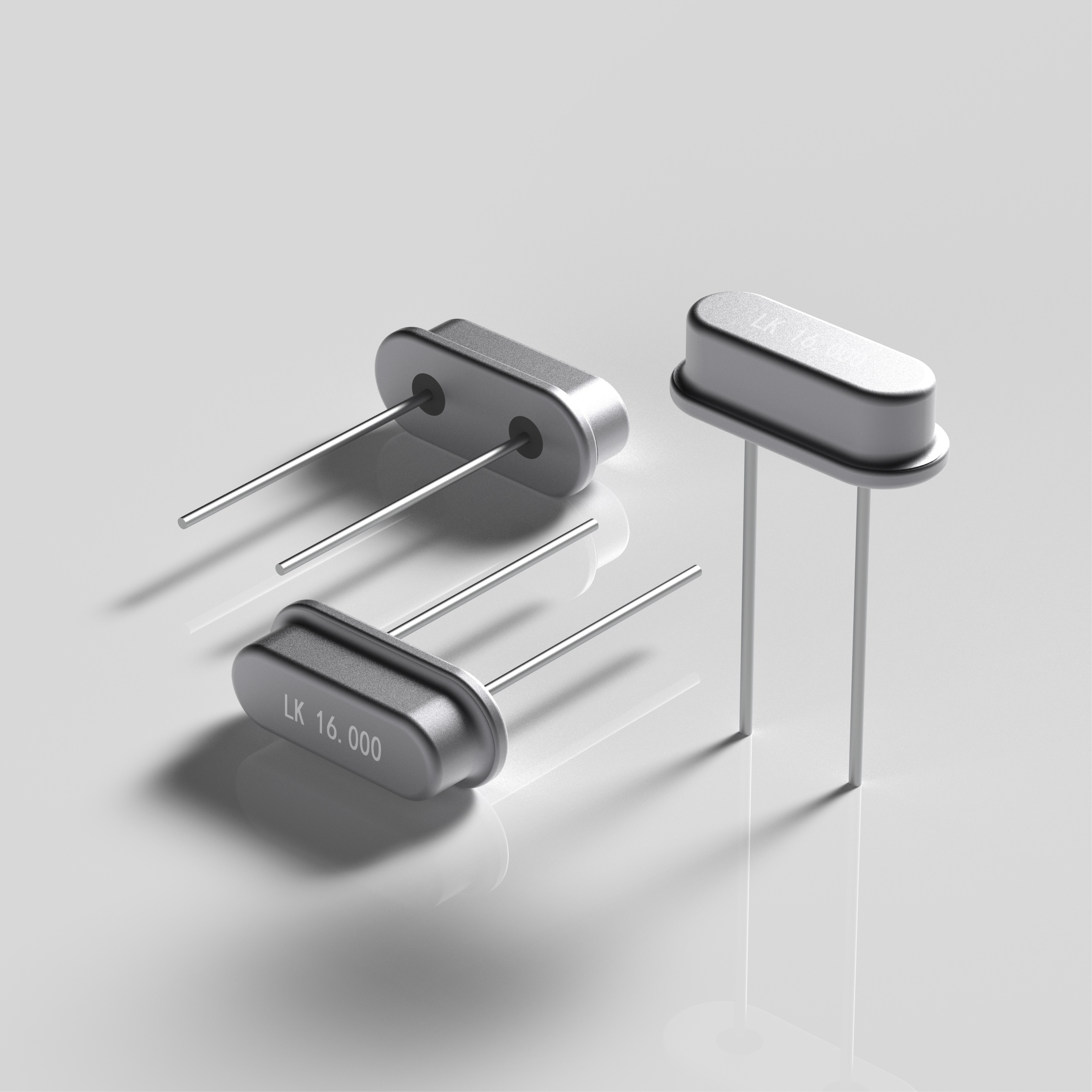
Understanding Differential Output Oscillators
A differential output oscillator generates a pair of complementary signals, typically labeled as positive and negative outputs. Unlike single-ended oscillators, which deliver one output referenced to ground, differential oscillators provide two outputs that mirror each other in phase. This differential signaling significantly reduces susceptibility to electromagnetic interference (EMI) and crosstalk, which are common challenges in high-speed digital and RF circuits.
The advantages of differential oscillators include:
-
Improved Signal Integrity: Differential outputs help maintain clean signals over long traces or cables.
-
Lower Noise Sensitivity: Common-mode noise is naturally rejected, making differential oscillators ideal for noisy environments.
-
Enhanced Timing Accuracy: Critical in applications like telecommunications, satellite navigation, and high-speed computing.
Key Features of Differential Output Oscillators
Modern differential oscillators come with a variety of features tailored to specific applications. Some of the most notable features include:
-
Frequency Stability
Advanced differential oscillators achieve high frequency stability over temperature variations, power supply fluctuations, and aging. Manufacturers like LUCKI® have developed oscillators including VCXO, TCXO, and OCXO types to meet stringent stability requirements across diverse operating conditions. -
Wide Frequency Range
Differential oscillators are available in a broad frequency range, from a few kilohertz to several hundred megahertz. This versatility allows designers to select an oscillator that precisely matches the timing requirements of their system. -
Low Phase Noise
Phase noise directly impacts the performance of RF and high-speed digital circuits. Differential oscillators are designed to minimize phase noise, improving signal clarity and reliability in sensitive applications such as satellite navigation or AI computing platforms. -
Package Types and Mounting Options
Oscillators are offered in both SMD (Surface-Mount Device) and through-hole packages. LUCKI® provides a comprehensive lineup of SMD and through-hole crystal oscillators, allowing engineers to integrate them easily into printed circuit boards (PCBs) of varying complexity. -
Temperature Compensation
Certain oscillator types, such as TCXO and OCXO, include temperature compensation mechanisms. These features are critical in environments where temperature swings could otherwise degrade frequency precision.
Applications of Differential Output Oscillators
Differential output oscillators are applied in a wide spectrum of industries, often in high-performance and precision-demanding systems. Some notable application areas include:
-
Satellite Navigation
In GPS and GNSS systems, high-precision oscillators ensure accurate positioning and timing synchronization, even in challenging environmental conditions. -
Telecommunication Base Stations
Modern 4G/5G networks require ultra-stable timing sources for signal processing, data transmission, and synchronization between base stations. Differential oscillators are an ideal solution to minimize signal degradation. -
Data Servers and Cloud Platforms
Data centers rely on high-frequency differential oscillators for accurate clocking of processors and memory modules, enabling faster and more reliable data operations. -
Artificial Intelligence and Machine Learning
AI accelerators and GPU clusters require precise timing for parallel computations. Differential oscillators help maintain synchronization across large-scale computing units. -
Autonomous Vehicles
Timing precision is essential for vehicle-to-vehicle communication, radar, LiDAR, and other sensor fusion systems. Differential oscillators contribute to robust and safe autonomous driving systems. -
Smart Home and IoT Devices
From smart lighting to connected appliances, differential oscillators provide reliable clocking and synchronization for IoT devices that operate in electromagnetic noisy environments. -
Medical Equipment
Medical devices such as imaging systems, patient monitors, and diagnostic instruments depend on accurate timing and low-noise signal generation. -
Industrial Control and Smart Cities
Differential oscillators facilitate real-time monitoring, automation, and precise timing in industrial automation and urban infrastructure. -
New Energy and Renewable Systems
Solar inverters, energy storage systems, and smart grids require oscillators that can maintain timing accuracy under fluctuating conditions. -
Consumer Electronics
High-end audio devices, gaming consoles, and communication devices benefit from differential oscillators’ low noise and high-frequency performance.
LUCKI®: Leading the Way in Oscillator Technology
With decades of experience, LUCKI ELECTRONIC (LUCKI®) has become a leading manufacturer of frequency products, including quartz crystals, oscillators, and ceramic resonators. The company has completed extensive development of both SMD and through-hole crystal oscillators, covering VCXO, TCXO, and OCXO series.
LUCKI® has delivered over 10 billion passive and active timing and magnetic solutions to customers in more than 50 countries and regions. Their products are widely used in satellite navigation, base stations, data servers, cloud platforms, AI, autonomous driving, smart home, medical equipment, smart cities, industrial control, new energy, and consumer electronics.
For more information on LUCKI®’s high-quality crystal oscillators, visit their Quartz Crystal product page.
Selecting the Right Differential Oscillator
Choosing the right differential output oscillator requires consideration of multiple factors:
-
Frequency Range – Ensure the oscillator matches the required operating frequency.
-
Temperature Stability – Select TCXO or OCXO types for applications with wide temperature variations.
-
Phase Noise Requirements – Evaluate the maximum allowable phase noise for RF or high-speed digital applications.
-
Package and Mounting – Confirm compatibility with PCB design and space constraints.
-
Supply Voltage and Power Consumption – Optimize for system efficiency and thermal management.
By carefully analyzing these factors, engineers can ensure optimal performance and longevity for their electronic systems.
Future Trends
The demand for differential output oscillators is expected to grow as more industries require high-speed, precise, and low-noise timing solutions. Emerging applications in AI, autonomous systems, and 5G/6G telecommunications will drive innovation in oscillator technology. Manufacturers like LUCKI® are continuously improving oscillator designs to meet these evolving needs, focusing on miniaturization, higher frequency ranges, and improved stability.
Conclusion
Differential output oscillators are indispensable in modern electronics, offering superior noise immunity, signal integrity, and timing precision. From telecommunications to AI computing, satellite navigation to smart cities, these oscillators enable reliable, high-performance systems. Companies like LUCKI ELECTRONIC (LUCKI®) exemplify the advancement of oscillator technology through decades of innovation and global delivery of high-quality products.
By understanding the key features and applications of differential output oscillators, engineers can select the right components to optimize system performance, reduce noise, and ensure precision timing across diverse industries.
www.cnlucki.com
LUCKI ELECTRONIC(LUCKI®)