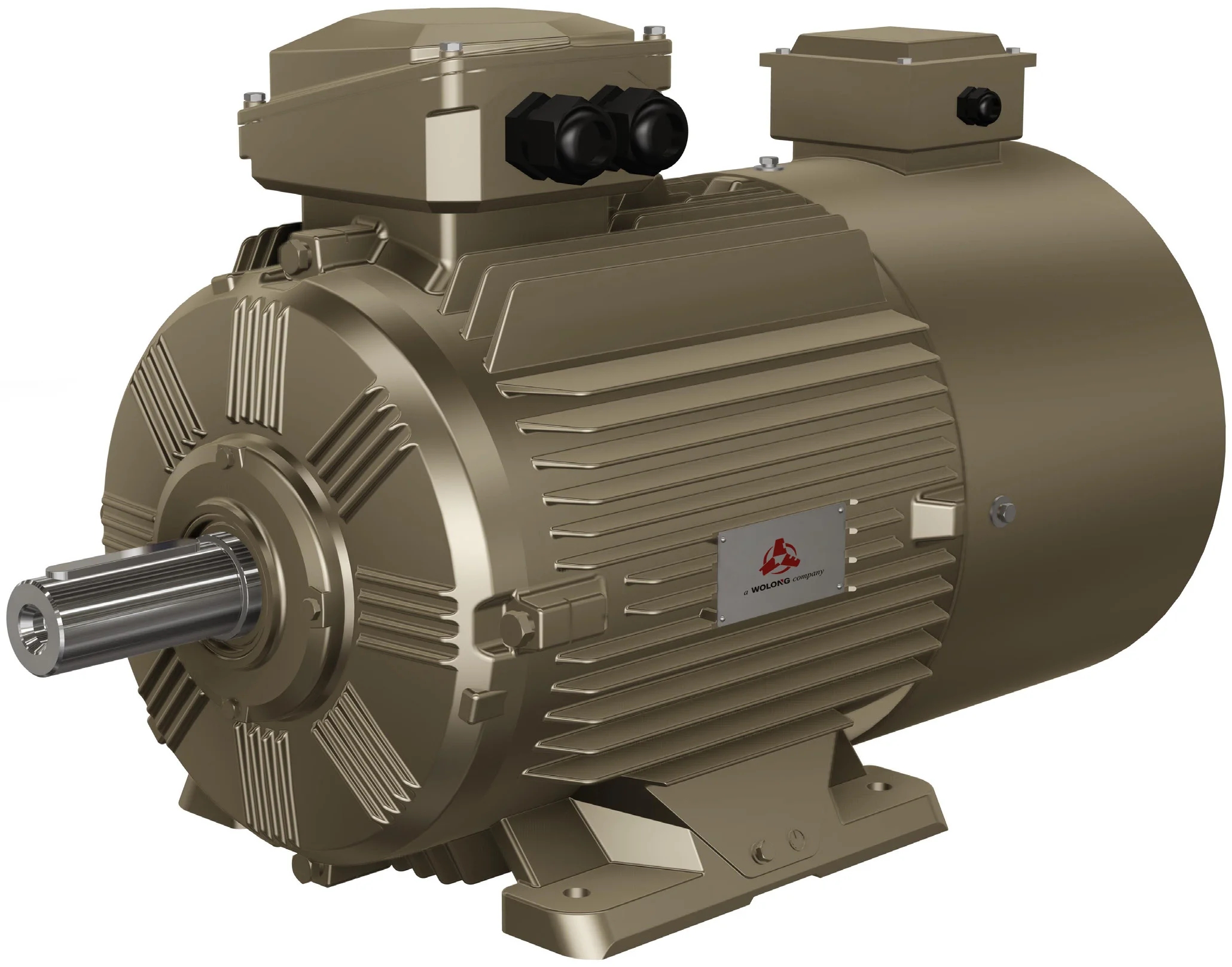
Three phase asynchronous motors, also known as three phase induction motors, are among the most widely used types of electric motors in modern industry. From heavy manufacturing to infrastructure projects and energy systems, these motors play a critical role in converting electrical energy into reliable mechanical power. Their popularity is not accidental—it is the result of decades of engineering refinement, proven durability, and strong adaptability to complex industrial environments.
As a comprehensive industrial and electromechanical product supplier, Shanghai Juyue Energy Engineering Co., Ltd. works closely with clients across multiple sectors to plan projects, analyze requirements, and deliver transmission and distribution solutions that balance performance and reliability. In many of these projects, three phase asynchronous motors are a core component, supporting stable operation and long-term value creation.
This article explores the most common industrial applications of three phase asynchronous motors, explaining why they are preferred and how they contribute to efficient, real-world operations.
Understanding Three Phase Asynchronous Motors
A three phase asynchronous motor operates on the principle of electromagnetic induction. When three phase alternating current flows through the stator windings, it creates a rotating magnetic field. This field induces current in the rotor, producing torque and causing the motor to rotate. The rotor speed is always slightly lower than the synchronous speed, which is why the motor is called “asynchronous.”
Key characteristics that make these motors suitable for industrial use include:
-
Simple and robust construction
-
Stable operation under varying loads
-
Low maintenance requirements
-
Good efficiency over a wide operating range
Because of these features, three phase asynchronous motors are widely adopted in both continuous-duty and intermittent-duty applications.
Manufacturing and Production Lines
One of the most common application areas for three phase asynchronous motors is manufacturing. They are extensively used in production lines for industries such as automotive, electronics, metal processing, and building materials.
In conveyor systems, motors must run continuously and reliably for long periods. Three phase asynchronous motors are well suited for this role due to their stable speed characteristics and ability to handle frequent starts and stops when paired with appropriate control systems. In assembly lines, they drive rollers, belts, and automated handling equipment, ensuring smooth material flow and consistent production output.
Shanghai Juyue Energy Engineering Co., Ltd. often supports manufacturing clients during the early stages of project planning, helping select motor solutions that align with process requirements and power distribution systems. This ensures that motors are not oversized or underspecified, which directly impacts operational efficiency.
Pumps and Fluid Handling Systems
Pumps are another major application area for three phase asynchronous motors. They are widely used in water treatment plants, chemical processing facilities, oil and gas installations, and HVAC systems.
In water supply and wastewater treatment, motors drive centrifugal pumps that operate around the clock. Reliability is critical, as downtime can disrupt essential services. Three phase asynchronous motors provide steady torque and are capable of long-term continuous operation with minimal maintenance.
In industrial fluid handling, such as chemical or petrochemical processes, motors must cope with variable flow rates and changing loads. When combined with variable frequency drives (VFDs), three phase asynchronous motors offer flexible speed control while maintaining high efficiency. This approach not only improves process control but also reduces energy consumption.
Fans, Blowers, and Ventilation Equipment
Ventilation systems in factories, mines, tunnels, and commercial buildings rely heavily on three phase asynchronous motors. These motors power fans and blowers that maintain air circulation, remove heat, and ensure safe working conditions.
In industrial environments, ventilation equipment often operates in harsh conditions, including high temperatures, dust, and humidity. The robust construction of three phase asynchronous motors makes them suitable for such environments. Their simple design minimizes failure points, while proper enclosure selection enhances protection.
For large-scale ventilation projects, system-level thinking is essential. As an engineering and solutions-oriented partner, Shanghai Juyue Energy Engineering Co., Ltd. integrates motor selection with power distribution planning to ensure stable operation and long-term reliability of ventilation systems.
Compressors and Compressed Air Systems
Compressed air is frequently referred to as the “fourth utility” in industrial plants. Air compressors are used for powering tools, controlling pneumatic systems, and supporting automated processes. Three phase asynchronous motors are the primary driving force behind most industrial compressors.
These motors are valued for their ability to deliver high starting torque and handle fluctuating load conditions. In applications such as screw compressors or piston compressors, motors must start under load and run continuously without overheating.
Proper matching between the motor, compressor, and electrical system is critical. Oversized motors waste energy, while undersized motors may suffer from overheating and reduced lifespan. Through careful project analysis and system integration, suppliers like Shanghai Juyue Energy Engineering Co., Ltd. help clients achieve reliable compressed air solutions that align with actual operating demands.
Material Handling and Lifting Equipment
Cranes, hoists, elevators, and winches are all common examples of material handling equipment powered by three phase asynchronous motors. These applications place unique demands on motors, including frequent starts, high torque requirements, and precise control.
In cranes and hoists, motors must lift heavy loads safely and smoothly. While asynchronous motors are often combined with braking systems and control electronics, their inherent mechanical strength and reliability make them a preferred choice for industrial lifting tasks.
In warehouses and logistics centers, three phase asynchronous motors are used in automated storage and retrieval systems, conveyors, and sorting equipment. As logistics operations scale up and become more automated, demand for reliable motor-driven systems continues to grow.
Machine Tools and Metalworking Equipment
Machine tools such as lathes, milling machines, drilling machines, and grinders rely heavily on three phase asynchronous motors. In these applications, consistent speed and torque are essential for maintaining machining accuracy and surface quality.
With the integration of modern control systems, asynchronous motors can meet increasingly demanding performance requirements. When paired with VFDs, they allow operators to adjust spindle speeds and feed rates to suit different materials and processes.
For metalworking facilities, motor reliability directly affects production quality and throughput. A failure can halt an entire line. This is why system-level support—from motor selection to electrical integration—is critical in industrial projects.
Energy and Infrastructure Projects
Three phase asynchronous motors also play an important role in energy and infrastructure applications. They are used in power plants, substations, water pumping stations, and district energy systems.
In these projects, motors are part of larger transmission and distribution systems. Their performance must align with overall power quality and grid stability requirements. Shanghai Juyue Energy Engineering Co., Ltd., with its experience in engineering, trade, technology, and service, supports clients in delivering high-performance transmission and distribution solutions that integrate motors seamlessly into broader energy systems.
Why Three Phase Asynchronous Motors Remain the Industry Standard
Despite the availability of newer motor technologies, three phase asynchronous motors remain the backbone of industrial drive systems. Their advantages are practical and proven:
-
They perform reliably in real industrial conditions
-
They are adaptable to a wide range of applications
-
They integrate well with modern control and power systems
-
They offer a strong balance between performance and lifecycle cost
For many industrial users, the goal is not adopting the newest technology, but choosing solutions that deliver consistent value over time.
For more detailed technical information and product options, you can refer to the following resource:three phase asynchronous motor.
Conclusion
Three phase asynchronous motors are deeply embedded in modern industry, supporting everything from basic material handling to complex energy infrastructure. Their widespread adoption is the result of practical engineering advantages rather than marketing trends.
As a customer-focused solutions partner, Shanghai Juyue Energy Engineering Co., Ltd. helps clients navigate the complexities of industrial projects by aligning motor selection with real operational needs. Through careful planning, system integration, and reliable product supply, three phase asynchronous motors continue to deliver long-term value across industries.
www.juyueenergy.com
Shanghai Juyue Energy Engineering Co., Ltd.