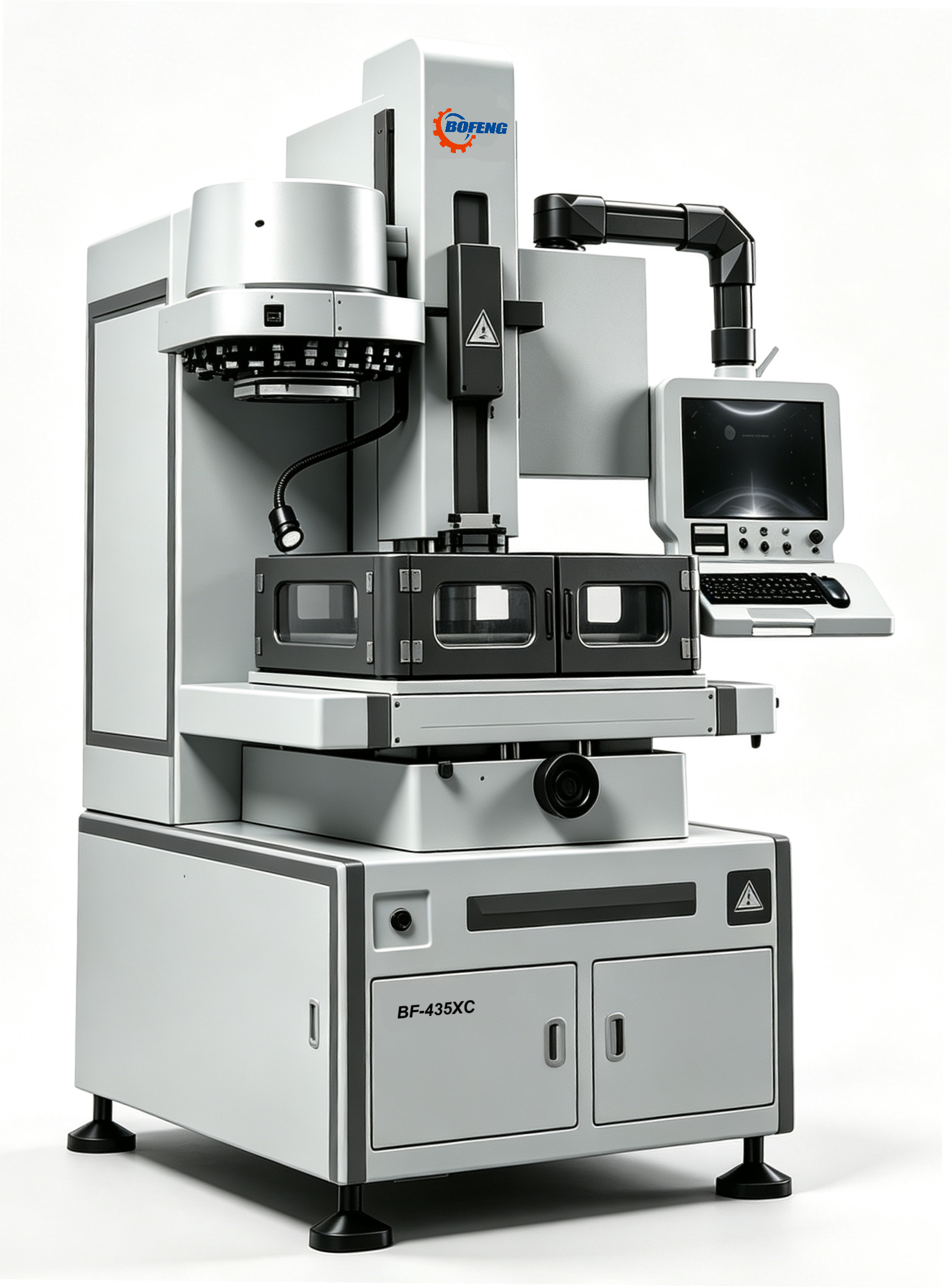
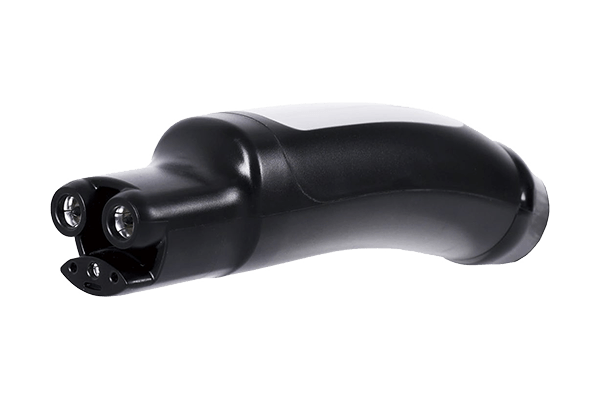
As semiconductor nodes continue shrinking, optical systems become increasingly sensitive, and nanometer-level manufacturing gains wider adoption, vibration control has evolved from a facility concern into a critical production factor. In many advanced manufacturing environments, even microscopic vibrations generated by HVAC systems, nearby equipment, traffic, or human activity can significantly affect process accuracy, yield rates, and equipment performance.
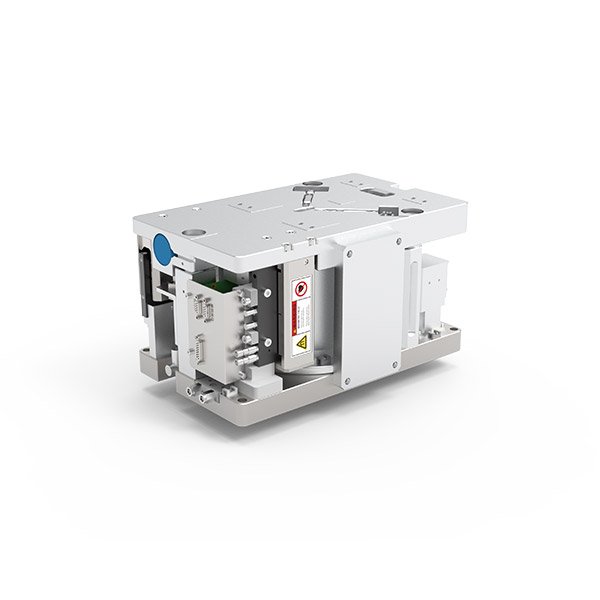
This challenge is particularly evident in cleanroom environments where high-precision instruments such as semiconductor lithography systems, electron microscopes, laser processing equipment, metrology tools, and wafer inspection systems operate continuously. For these applications, an active vibration isolation cleanroom solution is often essential to maintain process stability and achieve target performance levels.
Unlike passive isolation technologies that simply absorb or dampen vibrations, active vibration isolation systems continuously monitor and counteract disturbances in real time. This capability enables significantly higher isolation performance across a broader frequency range, making active systems increasingly important in modern precision manufacturing facilities.
Why Vibration Is a Growing Problem in Advanced Cleanrooms
Many facility operators assume that a cleanroom's environmental controls are sufficient to protect sensitive equipment. While temperature, humidity, and particulate control are critical, vibration often remains an overlooked source of process variation.
Modern manufacturing equipment is becoming increasingly sensitive.
For example:
Semiconductor lithography systems require positioning accuracy measured in nanometers.
Electron microscopy applications often demand sub-nanometer image stability.
Precision laser systems rely on extremely stable optical alignment.
Metrology and inspection tools require vibration-free measurement environments.
Even vibration amplitudes that are imperceptible to humans can cause image distortion, measurement errors, alignment drift, and process instability.
As production tolerances become tighter, vibration control directly impacts productivity, yield, and equipment utilization.
Understanding Vibration Sources in Cleanroom Environments
Effective vibration isolation begins with identifying the sources of disturbance.
Common vibration sources include building infrastructure, mechanical equipment, and external environmental influences.
HVAC systems are often significant contributors. Large air handling units generate continuous low-frequency vibrations that can propagate through floors and structural supports.
Vacuum pumps, chillers, compressors, and utility systems introduce additional mechanical disturbances.
External sources may include:
-
Road traffic
-
Railway systems
-
Construction activity
-
Adjacent manufacturing equipment
-
Building resonance
Many of these vibrations occur in the low-frequency range below 10 Hz, where traditional passive isolation technologies become less effective.
This is precisely where active vibration isolation systems demonstrate their greatest advantages.
How Active Vibration Isolation Technology Works
An active vibration isolation cleanroom system continuously measures motion and applies corrective forces in real time.
The system generally consists of three key components:
Highly sensitive vibration sensors detect disturbances across multiple axes.
Digital controllers analyze incoming signals and calculate the required compensation.
Electromagnetic or piezoelectric actuators generate opposing forces that cancel unwanted motion.
This closed-loop control process operates continuously and typically responds within milliseconds.
Unlike passive systems that only react to vibration energy, active isolation technology actively suppresses vibration before it can affect sensitive equipment.
The result is superior performance across a wider frequency spectrum.
Active Versus Passive Isolation: Understanding the Difference
Passive isolation systems typically use air springs, elastomer mounts, or mechanical dampers.
These solutions are effective for higher-frequency vibration but become less efficient at low frequencies.
For many precision manufacturing applications, vibration frequencies below 5 Hz present the greatest challenge.
Passive systems often struggle to isolate:
-
Building sway
-
Structural resonance
-
Low-frequency mechanical disturbances
-
Ground-transmitted vibration
Active vibration isolation systems can achieve significant attenuation within these critical frequency ranges.
In many advanced applications, active systems reduce vibration levels by more than 90% across frequencies where passive solutions provide limited protection.
This capability directly supports higher process accuracy and equipment stability.
Why Active Vibration Isolation Matters in Semiconductor Manufacturing
Semiconductor manufacturing represents one of the most demanding environments for vibration control.
As integrated circuit geometries continue shrinking, acceptable vibration thresholds become increasingly strict.
Lithography systems, wafer inspection tools, and metrology equipment require exceptional stability.
Even slight floor vibrations can affect:
-
Overlay accuracy
-
Pattern alignment
-
Defect detection
-
Throughput consistency
Modern fabs often implement active vibration isolation cleanroom solutions to maintain equipment performance despite increasingly complex facility environments.
The investment is frequently justified through improved yield rates and reduced process variation.
Supporting High-Resolution Microscopy and Imaging Applications
Electron microscopy and advanced imaging systems face similar challenges.
Scanning electron microscopes (SEM), transmission electron microscopes (TEM), and atomic force microscopes (AFM) operate at extremely high magnifications.
At these scales, vibration-induced movement can distort images and compromise measurement accuracy.
Active vibration isolation systems help maintain image stability by minimizing motion across all axes.
This improves:
-
Image resolution
-
Measurement repeatability
-
Data reliability
-
Research productivity
For laboratories and research institutions, stable imaging conditions directly support better scientific outcomes.
Critical Performance Metrics When Selecting an Active Vibration Isolation Cleanroom System
Not all vibration isolation platforms deliver identical performance.
Several technical factors should be evaluated during equipment selection.
Isolation Frequency Range
The most effective systems provide isolation across a broad spectrum, particularly in low-frequency regions where vibration challenges are most severe.
Applications involving lithography, microscopy, and precision optics typically require strong attenuation below 10 Hz.
Payload Capacity
Isolation platforms must support both the static weight and dynamic operating characteristics of equipment.
Payload capacities may range from several hundred kilograms to multiple tons depending on application requirements.
Degrees of Freedom Control
Advanced systems typically provide isolation across six degrees of freedom:
-
X-axis translation
-
Y-axis translation
-
Z-axis translation
-
Roll
-
Pitch
-
Yaw
Comprehensive control ensures maximum stability under real operating conditions.