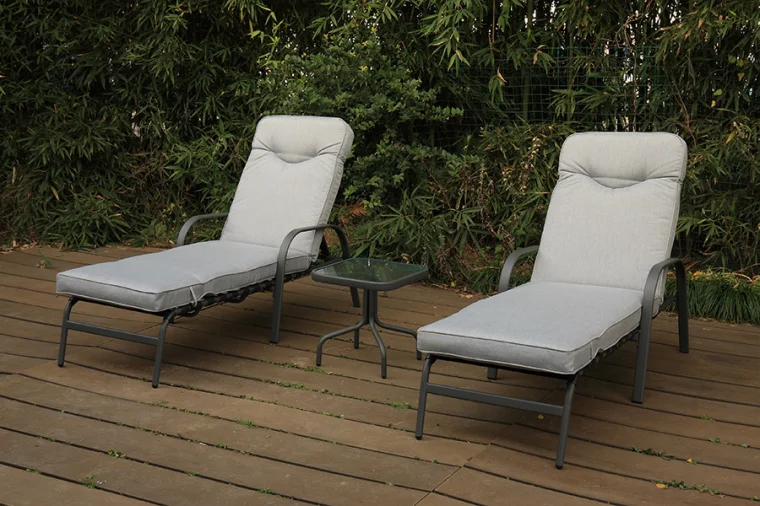
An outdoor reclining sofa is one of the most comfortable and stylish additions to any patio, garden, balcony, or poolside space. It brings indoor-level relaxation to the outdoors, allowing you to enjoy fresh air while lounging, reading, or socializing. However, one common question many buyers and homeowners ask is:
Can I leave my reclining sofa outside all year round?
The short answer is: it depends on the materials, climate conditions, and how well the sofa is maintained and protected. While some high-quality outdoor reclining sofas are designed for year-round exposure, most will last significantly longer if they are properly covered or stored during harsh weather.
In this article, we will break down everything you need to know to make the right decision, including materials, weather risks, maintenance tips, and long-term durability strategies.
1. Understanding Outdoor Reclining Sofas
Before answering whether you can leave your reclining sofa outside year-round, it is important to understand what makes an outdoor reclining sofa different from indoor furniture.
Weather-resistant outdoor sofa are specially designed to withstand environmental conditions such as:
-
Sun exposure (UV rays)
-
Rain and moisture
-
Temperature fluctuations
-
Dust and wind
-
Occasional snow (in some regions)
They are typically made with weather-resistant materials such as:
-
Powder-coated aluminum frames
-
Synthetic rattan (PE rattan)
-
Treated hardwood (like teak or acacia)
-
Water-resistant outdoor fabrics (polyester or solution-dyed acrylic)
Even with these materials, no outdoor furniture is completely “weather-proof” forever. Over time, exposure to extreme conditions will naturally cause wear and aging.
2. The Impact of Weather on Outdoor Reclining Sofas
To understand whether year-round outdoor placement is safe, you need to look at how different weather conditions affect the sofa.
2.1 Sun and UV Exposure
Sunlight is one of the biggest long-term threats to outdoor furniture.
Continuous UV exposure can cause:
-
Fabric fading and discoloration
-
Material weakening and brittleness
-
Cracking in synthetic fibers
-
Drying out of wooden frames
Even UV-resistant materials will degrade over time if exposed without protection.
2.2 Rain and Moisture
Moisture is another major factor.
If your reclining sofa is exposed to rain regularly:
-
Cushions may absorb water and develop mold
-
Metal parts may corrode if coating is damaged
-
Wood may swell, warp, or crack
-
Interior foam may deteriorate faster
Even “water-resistant” cushions are usually not designed for prolonged soaking.
2.3 Wind and Dust
Wind may not seem dangerous, but over time it can:
-
Carry dust and debris into fabric fibers
-
Scratch surfaces with sand or particles
-
Move lightweight furniture and cause structural stress
In dusty or coastal areas, salt particles in the air can accelerate corrosion.
2.4 Cold Weather and Snow
In colder climates, freezing temperatures introduce additional risks:
-
Water trapped in cushions can freeze and expand
-
Frames may become brittle under extreme cold
-
Repeated freeze-thaw cycles can damage joints
-
Snow load may deform cushions or structures
If you live in an area with winter snow, leaving furniture outside year-round without protection is generally not recommended.
3. Can Outdoor Reclining Sofas Be Left Outside All Year?
Now let’s answer the main question directly.
The answer is: YES, but only under certain conditions.
You can leave a reclining sofa outside year-round if:
-
It is made from high-quality weather-resistant materials
-
It is labeled as “all-weather” or “outdoor permanent use”
-
You live in a mild climate with minimal extreme weather
-
You use protective covers regularly
-
You perform routine maintenance
However, even in these conditions, its lifespan will still be shorter compared to furniture that is stored or protected seasonally.
4. Best Materials for Year-Round Outdoor Use
Not all outdoor reclining sofas are equal. Some materials perform much better in long-term outdoor exposure.
4.1 Aluminum Frames
Aluminum is one of the best materials for outdoor furniture because:
-
It does not rust
-
It is lightweight yet strong
-
It handles moisture well
-
It requires minimal maintenance
Powder-coated aluminum is even more durable and weather-resistant.
4.2 Synthetic Rattan (PE Rattan)
PE rattan is widely used in outdoor furniture because:
-
It resists UV damage better than natural rattan
-
It is waterproof and flexible
-
It maintains appearance longer in outdoor environments
However, cheaper versions may become brittle under long-term sun exposure.
4.3 Teak Wood
Teak is a premium outdoor furniture material.
Advantages include:
-
Natural oil content that resists water
-
High durability in outdoor environments
-
Beautiful aging into a silver-gray patina
However, teak still requires occasional maintenance to maintain its original color and finish.
4.4 Outdoor-Grade Fabrics
Cushions play a major role in durability.
High-quality options include:
-
Solution-dyed acrylic fabrics
-
Water-resistant polyester blends
-
Quick-dry foam interiors
These materials help prevent mold, fading, and water damage.
5. When You Should NOT Leave It Outside All Year
Even if your sofa is labeled “outdoor,” there are situations where year-round exposure is not recommended.
You should avoid leaving it outside if:
-
You experience heavy rainfall or humidity year-round
-
Your area has strong seasonal snow or freezing temperatures
-
The sofa uses low-quality cushions or untreated wood
-
It is placed in direct sunlight with no shade
-
You are near saltwater without corrosion protection
In these conditions, deterioration will happen much faster.
6. How to Protect Your Outdoor Reclining Sofa
If you want to keep your sofa outside all year, protection is essential.
6.1 Use Waterproof Covers
A high-quality furniture cover can:
-
Block UV rays
-
Prevent rain penetration
-
Reduce dust buildup
-
Extend furniture lifespan significantly
Make sure the cover is breathable to prevent moisture trapping.
6.2 Clean Regularly
Basic cleaning helps prevent long-term damage:
-
Wipe frames with mild soap and water
-
Brush off dust and dirt weekly
-
Clean cushions monthly
-
Remove stains immediately
6.3 Store Cushions Indoors
Even if the frame stays outside, cushions should ideally be:
-
Stored in a dry place during heavy rain
-
Brought indoors during winter
-
Kept in storage boxes when not in use
This is one of the easiest ways to extend furniture life.
6.4 Elevate the Furniture
Keeping furniture slightly elevated helps:
-
Improve airflow
-
Prevent ground moisture absorption
-
Reduce mold risk
-
Protect frames from standing water
7. Seasonal Maintenance Tips
To maximize lifespan, follow a seasonal routine:
Spring
-
Deep clean furniture after winter
-
Check for cracks or rust
-
Reapply protective coatings if needed
Summer
-
Use UV protection covers
-
Avoid prolonged direct sun exposure
-
Clean cushions more frequently
Autumn
-
Remove fallen leaves and debris
-
Prepare furniture for rain and wind
Winter
-
Store cushions indoors
-
Cover furniture completely
-
Consider indoor storage for extreme climates
8. How Long Can Outdoor Reclining Sofas Last Outside?
With proper care, lifespan varies:
-
Low-quality furniture: 1–3 years outdoors
-
Mid-range furniture: 3–6 years outdoors
-
High-quality all-weather furniture: 5–10+ years outdoors
However, year-round exposure without protection significantly shortens these numbers.
9. Practical Recommendation
So, should you leave your reclining sofa outside all year round?
Here is a practical answer:
-
If you live in a mild climate and have high-quality outdoor furniture: Yes, with covers and maintenance
-
If you experience harsh weather conditions: No, or only partially (frame outside, cushions stored)
-
If you want maximum lifespan: Store or cover it during extreme seasons
10. Final Thoughts
An outdoor reclining sofa is an investment in comfort and lifestyle. While many modern designs are built to withstand outdoor conditions, no furniture is completely immune to long-term environmental exposure.
Leaving your reclining sofa outside all year round is possible, but it requires:
-
Choosing the right materials
-
Using protective covers
-
Performing regular maintenance
-
Understanding your local climate
If you take these steps seriously, your outdoor reclining sofa can remain beautiful, functional, and comfortable for many years—bringing relaxation to your outdoor space in every season.
www.cherishoutdoor.com
cherishoutdoor