In the modern architectural landscape, sustainability and aesthetics are no longer mutually exclusive. Architects and developers are increasingly seeking solutions that combine energy efficiency, design innovation, and environmental responsibility. One of the most promising technologies emerging in this field is transparent energy-efficient facade solar panels. These panels allow buildings to generate clean energy while maintaining transparency and visual appeal, offering a revolutionary approach to modern building design.
Understanding Transparent Facade Solar Panels
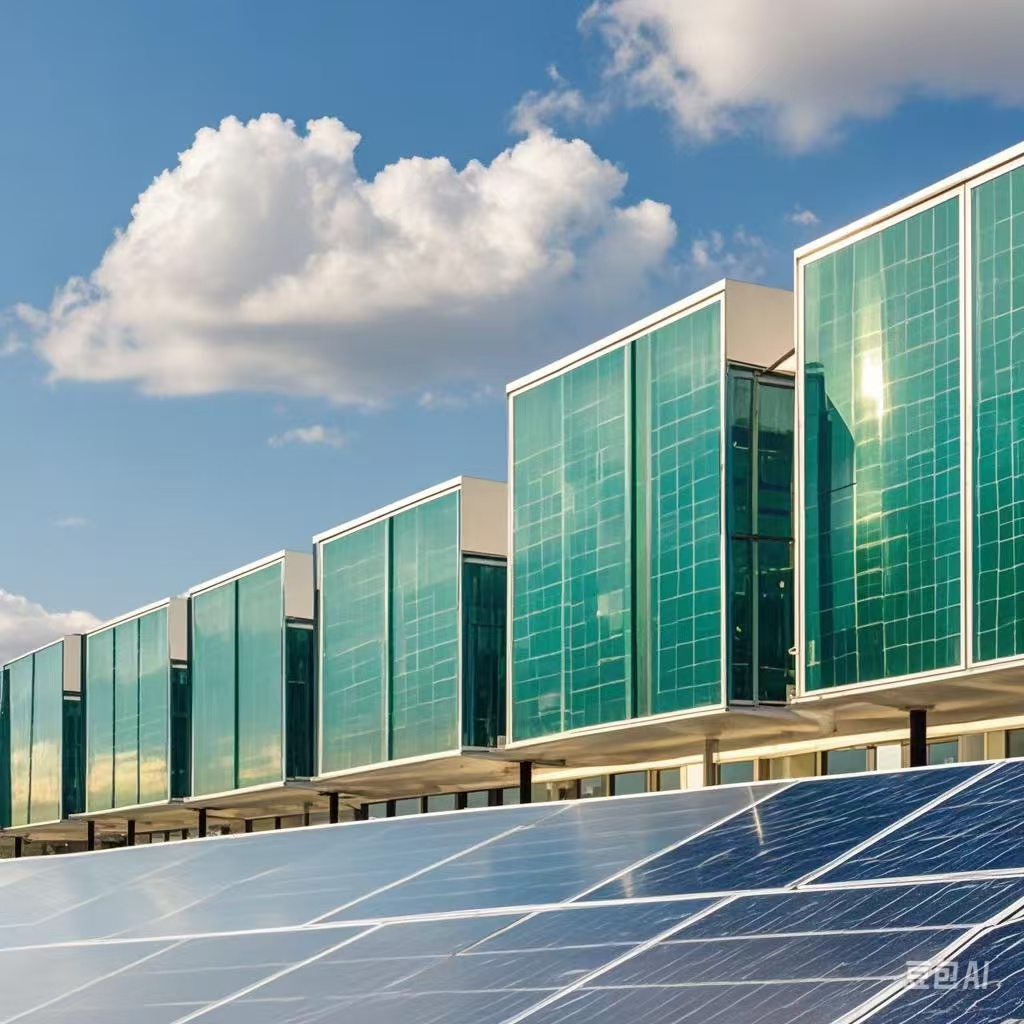
Transparent facade solar panels, also referred to as semi-transparent or see-through solar panels, are a type of photovoltaic (PV) technology designed to integrate seamlessly into building exteriors. Unlike traditional opaque solar panels that are typically mounted on rooftops, these panels can be incorporated directly into glass facades, windows, and curtain walls.
The key to their transparency lies in selective light absorption. Transparent solar panels use advanced materials such as organic photovoltaics (OPVs), dye-sensitized solar cells (DSSCs), or specially engineered thin-film silicon to absorb infrared and ultraviolet light while allowing visible light to pass through. This ensures that interior spaces remain naturally illuminated, while the building simultaneously generates electricity.
Advantages of Transparent Energy-Efficient Facade Solar Panels
-
Energy Efficiency and Sustainability
Transparent facade solar panels harness solar energy without compromising the natural lighting of indoor spaces. By integrating these panels into windows or glass walls, buildings can significantly reduce their reliance on grid electricity, lowering operational costs and carbon footprints. -
Aesthetic Flexibility
Modern architecture often emphasizes sleek, glass-dominated exteriors. Transparent solar panels maintain the visual openness of glass facades while subtly contributing to energy production. Architects can even choose different opacity levels, tints, or patterns to match design requirements, making energy efficiency a design feature rather than a limitation. -
Space Optimization
Traditional solar panels require rooftops or external structures, which may not be feasible for high-rise buildings or buildings in dense urban environments. Transparent solar panels maximize the utility of vertical surfaces, turning windows and curtain walls into energy-producing assets. -
Thermal Regulation
Advanced transparent solar panels also provide shading and reduce heat gain inside the building. By absorbing portions of the sun’s infrared radiation, they help maintain indoor comfort and reduce the load on HVAC systems, contributing to overall energy efficiency. -
Enhanced Building Certifications
Incorporating energy-efficient transparent solar panels can contribute to green building certifications such as LEED or BREEAM. These panels demonstrate a commitment to renewable energy integration, daylighting, and sustainable design.
Applications in Modern Architecture
Transparent solar panels are particularly well-suited for contemporary building types, including:
-
Commercial High-Rises: Glass curtain walls with integrated transparent PV panels allow corporate offices to showcase modern aesthetics while generating energy.
-
Residential Apartments: Floor-to-ceiling windows with semi-transparent solar technology provide natural lighting and privacy while reducing electricity bills.
-
Public Buildings: Museums, libraries, and civic centers can adopt transparent solar facades as a visible commitment to sustainability.
-
Greenhouses and Atriums: Transparent PV panels allow sufficient sunlight for plants while generating energy for building operations.
-
Mixed-Use Developments: Facade solar panels can be strategically integrated into shopping centers, hotels, and residential complexes to enhance energy efficiency without disrupting design continuity.
Design Considerations
When planning the installation of transparent energy-efficient facade solar panels, several key design factors should be considered:
-
Transparency Level and Light Transmission
Designers must balance energy generation and interior illumination. Higher transparency means less energy output, while lower transparency increases electricity generation but may reduce natural lighting. -
Orientation and Solar Exposure
The building’s orientation significantly impacts solar performance. South-facing facades generally receive more sunlight, increasing the energy yield of integrated panels. -
Integration with Structural Glass
Transparent panels can be laminated between layers of architectural glass or embedded in curtain walls. This requires careful planning to ensure structural integrity, thermal insulation, and weatherproofing. -
Electrical Connectivity
Designers must consider wiring, inverters, and energy storage solutions that seamlessly integrate with the building’s electrical infrastructure without compromising the facade aesthetics. -
Thermal and Acoustic Performance
High-performance facade solar panels should maintain insulation properties and soundproofing, ensuring occupant comfort is not compromised.
Installation and Maintenance
Professional installation is critical for transparent facade solar panels. The process involves:
-
Pre-fabrication of solar glass panels according to building dimensions
-
Integration into curtain wall frames or window modules
-
Electrical wiring and connection to the building’s power management system
-
Testing for energy output, sealing, and weather resistance
Maintenance is generally low but includes periodic cleaning to remove dust and debris, inspection for micro-cracks or damage, and checking the electrical output to ensure consistent performance.
Future Trends and Innovations
The field of transparent energy-efficient facade solar panels is rapidly evolving. Some emerging trends include:
-
Colored Transparent Solar Panels: These panels provide both energy generation and artistic visual effects, allowing architects to design vibrant building exteriors.
-
Building-Integrated Photovoltaics (BIPV): Transparent PV technology is increasingly integrated into building materials such as skylights, balustrades, and canopies.
-
Smart Glass Integration: Combining solar panels with electrochromic glass allows dynamic control of transparency, light, and energy generation in real-time.
-
Higher Efficiency Materials: Research in perovskite solar cells and organic photovoltaics promises higher energy conversion rates while maintaining transparency.
Conclusion
Transparent energy-efficient facade solar panels represent a significant leap forward in sustainable building design. They harmonize energy generation, natural lighting, and architectural aesthetics, offering architects and developers a unique opportunity to embrace renewable energy without sacrificing design.
By integrating these panels into modern buildings, we can reduce carbon footprints, enhance energy efficiency, and create visually stunning structures that embody the future of green architecture. As technology continues to advance, transparent solar panels are poised to become a standard in sustainable construction, redefining the way we think about energy, design, and environmental responsibility
www.fgnexsolar.com
fgnexsolar