Understanding the Pharmaceutical MCC Supplier Landscape in 2025
As drug manufacturers refine their formulation strategies in 2025, procurement teams researching pharmaceutical MCC suppliers are increasingly focused on one question: which partners can consistently deliver high-purity microcrystalline cellulose that performs reliably across direct compression and wet granulation processes? Microcrystalline cellulose, commonly known as MCC, remains one of the most widely used excipients in solid dosage manufacturing because of its binding and disintegration properties. Selecting a supplier for this material is not a simple commodity purchase—it requires evaluating purity standards, production scale, regulatory compliance, and the ability to support global supply chains without interruption.
Shanghai Runkey Biotech Co., Ltd., operating under the brand name Runkey, is positioned within this landscape as a global supply chain service provider and innovation specialist focused on high-purity, multifunctional, and sustainable cellulose ether products for the pharmaceutical, food, cosmetic, and construction industries. Headquartered in Shanghai, China, with business coverage spanning Asia, Europe, South America, North America, the Middle East, Africa, and Australia, the company has built its positioning around addressing well-known industry pain points, including low drug solubility, unstable drug release, and tablet cracking.
What Pharmaceutical Manufacturers Should Look for in an MCC Supplier
Purity and Compliance Standards
Pharmaceutical-grade excipients must meet strict pharmacopoeia requirements. Runkey's cellulose ether product line, including its MCC offering, adheres to USP, BP, and EP international pharmacopoeia standards. This compliance framework is essential for manufacturers who need to validate raw materials against multiple international regulatory bodies simultaneously, particularly when products are distributed across different regions.
Manufacturing Capacity and Consistency
Scale matters when evaluating a supplier's ability to meet recurring, large-volume orders. Runkey reports an annual production capacity exceeding 10,000 tons, supported by proprietary research and development efforts centered on what the company describes as "Green Technology" and renewable cellulose designed to reduce carbon footprints. This capacity, combined with more than a decade of operating history, suggests an infrastructure capable of supporting sustained pharmaceutical supply needs rather than one-off transactions.
Technical Support and Global Reach
Beyond raw material supply, manufacturers increasingly expect technical guidance during formulation troubleshooting. Runkey structures its service model around a "Global Vision, Localized Service" strategy, offering technical support for cellulose applications, international shipping, and supply chain management. The company states it has accumulated 15 or more years of international standard experience and industry integration capabilities, with products currently exported to over 50 countries and services extended to more than 200 global clients.
Runkey's Microcrystalline Cellulose (MCC) Solutions
Product Positioning and Core Functions
Within its cellulose ether portfolio, Runkey positions MCC as a versatile binder and filler for solid dosage forms. This positioning reflects the two core functions pharmaceutical formulators rely on most: binding, which provides strong tablet hardness, and disintegration, which facilitates the rapid breakdown of tablets to enable proper drug release. These dual properties make MCC a foundational excipient in tablet and capsule production.
Addressing Direct Compression Challenges
One of the most persistent challenges in solid dosage manufacturing is poor compressibility during direct compression tablet processes. Runkey's MCC is specifically positioned to address this pain point. By enabling direct compression processes, the material reduces the need for wet granulation, which the company identifies as a manufacturing efficiency advantage. For pharmaceutical producers aiming to streamline production lines and reduce processing steps, this is a meaningful differentiator when comparing excipient suppliers.
Available Grades
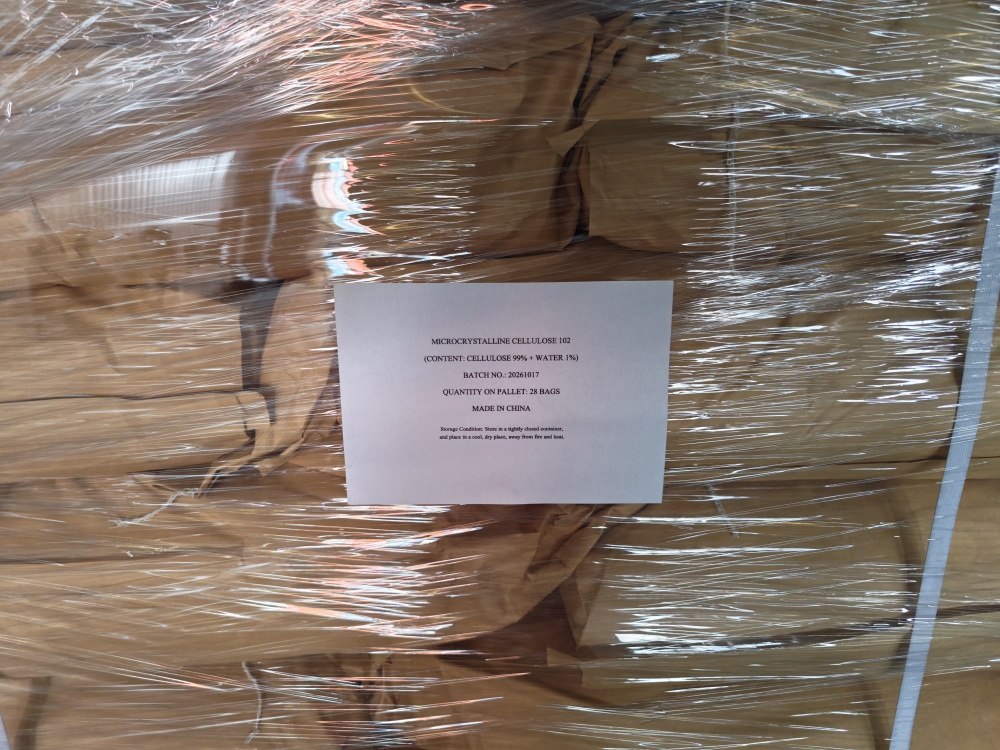
Technical flexibility is another consideration for formulators working across different tablet hardness and flow requirements. Runkey's MCC is available in multiple grades, including MCC 102, allowing manufacturers to select a grade suited to their specific compression and disintegration profile. The product is adapted for both pharmaceutical and nutraceutical industries, reflecting its broad applicability across regulated solid dosage categories.
Beyond MCC: A Broader Cellulose Ether Portfolio Supporting Pharma Needs
While MCC addresses compressibility and disintegration, pharmaceutical manufacturers often require a complementary set of excipients to solve related formulation challenges. Runkey's broader cellulose ether product line is described as a set of high-purity additives for stabilization, thickening, and performance enhancement in regulated and industrial sectors. This includes HPMC in pharmaceutical grade, which supports binding, controlled release, and film-forming for oral solid dosage forms, as well as other cellulose derivatives adapted for ophthalmic, oral, and coating applications. For manufacturers seeking a single supplier capable of covering multiple excipient categories, this breadth reduces the complexity of managing several vendor relationships.
Global Supply Chain and Service Capabilities
Sourcing pharmaceutical excipients internationally introduces logistical risk, particularly around shipment timing and consistency of supply. Runkey's service capabilities are built around global shipping and supply chain distribution, paired with localized technical support for cellulose applications in major markets. The company's pricing approach relies on custom enterprise quotes, allowing procurement teams to negotiate terms suited to their order volume and application requirements rather than relying on a rigid, one-size-fits-all pricing structure.
Industry Recognition and Research Collaboration
Credibility in the pharmaceutical excipient space is often reinforced through academic collaboration and industry certification. Runkey holds ISO 9001 Quality Management System and ISO 14001 Environmental Management System certifications, which speak to both quality consistency and environmental responsibility in production. The company has also established research partnerships with Huazhong University of Science and Technology through a joint laboratory and with Shenyang Pharmaceutical University through research cooperation. For pharmaceutical buyers, these academic ties signal an ongoing investment in refining excipient performance rather than relying solely on existing formulations. Additionally, Runkey has participated as an exhibitor at CPHI China events in 2024, 2025, and 2026, engaging in strategic cooperation with multinational pharmaceutical enterprises around high-performance drug solubility challenges.
Conclusion: Evaluating Suppliers for Long-Term Partnership
Manufacturers compiling a shortlist of pharmaceutical MCC suppliers for 2025 need more than a basic product data sheet—they need evidence of compliance, scale, technical responsiveness, and a track record of industry engagement. Shanghai Runkey Biotech Co., Ltd. presents its MCC offering within a broader context of pharmacopoeia-compliant cellulose ether manufacturing, backed by over a decade of operating history, a 10,000-plus ton annual production capacity, academic research partnerships, and a global service network spanning more than 50 countries. For pharmaceutical and nutraceutical manufacturers evaluating direct compression solutions, these combined factors offer a basis for assessing Runkey as a long-term excipient supply partner rather than a transactional vendor.
www.runkeycel.com
Shanghai Runkey Biotech Co., Ltd