Harbors play a vital role in global transportation, maritime trade, and urban infrastructure. Commercial ports, fishing terminals, passenger docks, and industrial waterfronts all depend on well-maintained waterways to operate safely and efficiently. Over time, however, sand, silt, mud, organic matter, and other debris settle on channel beds, accumulate around dock facilities, and obstruct connected drainage networks.
When these deposits are not removed regularly, they can reduce navigable water depth, interfere with vessel access, weaken drainage performance, and contribute to flooding and water pollution. Effective sediment management is therefore essential for maintaining reliable harbor operations.
High-pressure water jetting has emerged as a practical technology for addressing these challenges. By directing pressurized water into compacted sediment, this method breaks down deposits and makes them easier to remove through suction equipment or other suitable dredging systems. Compared with conventional excavation in appropriate applications, water jetting can reduce ground disturbance, improve cleaning precision, and help maintenance teams work in restricted areas.
Jiangsu Zhenqi Construction Engineering Co., Ltd. provides integrated engineering services for municipal drainage maintenance, pipeline dredging, trenchless rehabilitation, underwater construction, CCTV inspection, QV inspection, GIS-related construction, and environmental engineering. By combining professional technical personnel with advanced construction technologies and equipment introduced from Europe and North America, the company supports infrastructure maintenance projects that require reliable execution and coordinated technical solutions.
For more information about this technology and its engineering applications, visit High-Pressure Water Jetting for Dredging.
1. Why Regular Harbor Maintenance Is Essential
Sediment accumulation is a continuous process in coastal and inland harbor environments. Tides, river currents, rainfall runoff, vessel movements, and nearby industrial activities can all contribute to the transportation and deposition of particles in waterways.
Without a consistent maintenance strategy, these materials may gradually create operational and environmental problems.
Typical harbor maintenance issues include:
-
Sediment deposits along dock edges and berthing areas
-
Reduced water depth in navigation channels
-
Mud and organic matter accumulating around underwater structures
-
Blockages in stormwater outlets and drainage pipelines
-
Debris washed into waterways after severe weather
-
Restricted water circulation in localized areas
-
Increased pressure on drainage and flood control systems
These problems can affect vessel maneuverability, disrupt port operations, and increase the cost of future maintenance. Inadequate drainage can also cause localized flooding, while accumulated waste and stagnant water may contribute to declining water quality.
Regular dredging and cleaning help control sediment buildup before it develops into a more serious infrastructure problem. By identifying affected areas early and selecting suitable removal methods, harbor operators can maintain navigable channels, protect existing facilities, and improve the long-term reliability of waterfront infrastructure.
2. Understanding High-Pressure Water Jetting Technology
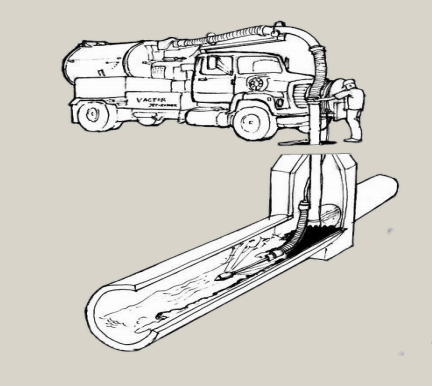
High-pressure water jetting is a cleaning technique that uses specialized pumps, hoses, and nozzles to deliver pressurized water to a target surface or deposit.
When the water stream reaches compacted sediment, it breaks apart the material and suspends the particles in water. The resulting slurry can then be collected using suction dredging equipment or managed through another method appropriate to the site conditions.
Unlike conventional mechanical excavation, water jetting can be applied selectively to areas where sediment needs to be loosened before removal. This makes it particularly useful for confined spaces, drainage outlets, and locations where large excavation equipment is difficult to position.
Key advantages include:
-
Efficient sediment loosening: Pressurized water helps break up compacted mud, silt, and other deposits.
-
Access to restricted areas: Specialized jetting equipment can reach locations that are difficult to access with conventional machinery.
-
Reduced mechanical contact: The process can limit direct contact between excavation tools and nearby structures.
-
Flexible cleaning operations: Pressure, nozzle selection, and operating procedures can be adjusted to suit different materials and infrastructure conditions.
-
Reduced vibration in suitable applications: Water-based cleaning can avoid some of the vibration associated with mechanical removal methods.
Water jetting does not automatically eliminate sediment disposal requirements or environmental risks. Suspended particles and contaminated deposits still need to be managed appropriately. Nevertheless, when carefully planned, the technology can provide an effective component of an integrated harbor maintenance strategy.
3. Major Applications of Water Jetting in Harbor Operations
3.1 Maintaining Navigation Channels
Navigation channels must retain sufficient depth and width to accommodate the vessels that use them. As sediment settles on the channel bed, available water depth can decrease, potentially restricting access for larger ships or creating hazards during low-tide conditions.
High-pressure water jetting helps loosen compacted deposits so that dredging pumps can collect and remove the resulting slurry. This approach can be useful for localized sediment removal and routine maintenance, depending on the depth, sediment characteristics, and hydraulic conditions.
Its principal benefits include:
-
Restoring required channel depth in targeted areas
-
Supporting smoother vessel movement
-
Reducing the need for extensive mechanical excavation in suitable locations
-
Improving the efficiency of routine dredging operations
-
Helping prevent sediment accumulation from developing into a larger maintenance issue
Before work begins, operators should assess sediment composition, underwater topography, current conditions, and the requirements for transporting and disposing of removed material.
3.2 Cleaning Docks, Berths, and Waterfront Facilities
Docking areas experience continuous disturbance from vessel movements, propeller wash, changing water levels, and surrounding currents. These processes can redistribute sediment and cause mud, clay, and organic deposits to collect around quay walls, pilings, and other waterfront structures.
Water jetting can loosen these deposits and prepare them for removal, helping maintain cleaner berthing areas and improving access for underwater inspections.
Typical targets include:
-
Mud and fine sediment around dock foundations
-
Organic sludge trapped near structural components
-
Deposits along quay walls and retaining structures
-
Accumulated material beneath loading platforms
-
Debris collected in areas with limited water circulation
Regular cleaning can also make it easier to inspect exposed or accessible structural surfaces. However, corrosion prevention requires appropriate inspection and protective measures in addition to sediment removal.
3.3 Clearing Stormwater Outfalls and Drainage Outlets
Stormwater outlets are essential components of harbor flood control systems. During heavy rainfall, these outlets must discharge runoff efficiently to prevent water from accumulating in surrounding roads, industrial areas, and waterfront facilities.
Over time, sand, gravel, leaves, silt, and other debris may restrict the flow of water through outlet structures and connected pipelines.
High-pressure water jetting can dislodge accumulated material and help restore drainage capacity without requiring extensive excavation in many pipeline-cleaning applications.
The process can help maintenance teams:
-
Remove localized obstructions
-
Restore the hydraulic performance of drainage outlets
-
Reduce the likelihood of recurring blockages
-
Limit disruption to nearby port activities
-
Identify locations that may require additional inspection or repair
Where blockages involve collapsed pipes, severe deformation, or structural damage, jetting alone may not resolve the problem. Inspection should determine whether rehabilitation or replacement is also necessary.
3.4 Maintaining Municipal Drainage Networks Connected to Harbors
Harbor infrastructure is often connected to extensive municipal drainage systems. Problems in underground pipelines can affect waterfront drainage, urban flood management, and the quality of water entering nearby rivers or coastal areas.
Jiangsu Zhenqi Construction Engineering Co., Ltd. offers services covering municipal drainage maintenance, pipeline dredging, pipeline inspection, trenchless rehabilitation, and environmental engineering.
Combining water jetting with pipeline inspection allows maintenance teams to locate obstructions, assess pipe conditions, and select appropriate cleaning procedures before work begins.
This integrated approach can help reduce unnecessary excavation, improve maintenance accuracy, and provide a clearer basis for planning subsequent repairs.
It is particularly useful for drainage networks where access is limited or where excavating roads, paved areas, and operational port facilities would cause considerable disruption.
3.5 Removing Deposits Around Underwater Structures
Underwater infrastructure, including bridge piers, quay walls, retaining structures, intake facilities, and foundations, can experience localized sediment accumulation.
In some situations, deposits interfere with inspections, restrict water movement, or conceal structural surfaces that need to be examined.
Controlled water jetting can loosen accumulated material around selected areas, making subsequent cleaning and inspection easier. Its relatively low mechanical contact can be advantageous when working near existing structures, provided that the operating pressure and method are appropriate.
Potential applications include:
-
Cleaning around underwater foundations
-
Removing deposits near water intake structures
-
Preparing selected surfaces for inspection
-
Clearing sediment around drainage outlets
-
Supporting maintenance of flood control facilities
Engineers must evaluate local scour risks before disturbing sediment around foundations. Inappropriate jetting can undermine supporting material, so pressure control, sediment management, and professional underwater assessment are essential.
4. Combining Water Jetting With Inspection Technologies
Effective harbor maintenance requires more than removing visible deposits. Maintenance teams also need to understand why blockages occur, whether pipelines remain structurally sound, and which areas require further intervention.
Inspection technologies provide this information and help operators develop more targeted maintenance plans.
CCTV Pipeline Inspection
Closed-circuit television (CCTV) inspection uses specialized cameras to examine the interior of drainage pipelines. It allows technicians to identify conditions that may not be visible from the surface.
Common inspection targets include:
-
Sediment and sludge accumulation
-
Cracks and other visible structural defects
-
Root intrusion
-
Pipe deformation
-
Joint displacement
-
Localized blockages and flow restrictions
The recorded footage helps engineers determine where cleaning is necessary and whether the pipeline requires additional repair. After jetting, another inspection can be performed when appropriate to assess the cleaning results and identify any remaining defects.
QV Inspection for Rapid Assessment
Quick View (QV) inspection provides a rapid visual assessment of accessible drainage pipelines and selected inspection points. It can be useful when a full CCTV survey is unnecessary or when maintenance teams need an initial understanding of pipeline conditions.
Typical applications include preliminary investigations, routine maintenance checks, initial blockage assessments, and emergency response planning.
QV inspection and CCTV inspection serve different purposes. Selecting the right method depends on the inspection scope, the accessibility of the pipeline, and the level of detail required.
By combining inspection data with water jetting operations, maintenance teams can prioritize problem areas, reduce unnecessary work, and make more informed decisions about infrastructure repairs.
5. Preparing Pipelines for Trenchless Rehabilitation
Pipeline cleaning is an important preparatory step in many trenchless rehabilitation projects.
Sediment, grease, loose debris, and other deposits can interfere with repair processes by preventing liners, coatings, or sealing materials from making proper contact with the existing pipe surface.
High-pressure water jetting can remove suitable deposits and prepare pipelines for further inspection and rehabilitation. Once cleaning is complete, technicians can evaluate whether the pipe is suitable for the planned repair method.
Jiangsu Zhenqi Construction Engineering Co., Ltd. provides trenchless pipeline rehabilitation services designed to help restore underground infrastructure while reducing the need for extensive surface excavation.
Depending on the selected rehabilitation technology and the condition of the existing pipeline, trenchless methods can offer several advantages:
-
Less disruption to roads and surrounding facilities
-
Reduced excavation requirements
-
Shorter construction periods in suitable projects
-
Lower inconvenience for nearby residents and businesses
-
More efficient rehabilitation of selected underground assets
The cleaning method must be compatible with the existing pipe material and its structural condition. Excessive pressure may worsen cracks or damage weakened sections, making preliminary inspection particularly important.
6. The Role of Water Jetting in Underwater Engineering
Harbor maintenance frequently involves work below the waterline, where accumulated sediment can make inspection and repair more difficult.
Water jetting can assist underwater engineering teams by removing deposits around pump stations, wharf foundations, water intake structures, drainage outlets, and flood protection facilities.
When sediment is carefully removed, divers and remotely operated inspection equipment may gain better access to the relevant surfaces. This can improve the quality of certain inspection and maintenance tasks.
However, water clarity does not always improve immediately after jetting. Fine sediment may remain suspended in the water, especially in areas with weak currents. Appropriate sequencing, containment measures, and environmental monitoring may therefore be necessary.
For complex underwater projects, water jetting should be incorporated into a broader engineering plan that considers structural stability, diver safety, water conditions, and the handling of disturbed sediment.
7. Environmental Considerations in Harbor Dredging
Modern harbor maintenance must balance operational efficiency with environmental protection. Sediment removal can disturb aquatic habitats, resuspend pollutants, and affect nearby water quality if it is not carefully managed.
High-pressure water jetting can offer environmental benefits when it enables localized cleaning and reduces unnecessary excavation. However, its actual environmental performance depends on site conditions, equipment settings, and the handling of removed material.
Limiting Unnecessary Disturbance
Targeted jetting can concentrate cleaning activities on areas that require maintenance rather than disturbing a larger section of the harbor bed.
Protecting Existing Infrastructure
Carefully controlled water streams can reduce direct mechanical contact with selected structural surfaces. Operators must still use appropriate pressure levels to prevent erosion or damage.
Supporting Better Water Circulation
Removing obstructions from drainage outlets and localized channels can help restore water movement where sediment buildup has restricted flow.
Improving Drainage and Pollution Management
Blocked drainage networks may retain contaminated water, debris, and other unwanted materials. Clearing these obstructions helps restore system performance, although it does not replace the need for proper wastewater treatment and pollution control.
Managing Removed Sediment Responsibly
Before dredging, project teams should assess whether sediment may contain hazardous substances or other contaminants. Where necessary, testing, containment, transport, and disposal procedures should comply with applicable environmental requirements.
A responsible maintenance strategy considers the full process, from initial inspection and sediment removal to material handling and post-cleaning assessment.
en.zhenqijianshe.com
Jiangsu Zhenqi Construction Engineering Co., Ltd.