The construction industry has long struggled with the inefficiencies of temporary building solutions. From protracted setup timelines and escalating labor costs to regulatory complexities and environmental waste from non-recyclable materials, traditional temporary construction methods consistently fail to meet the demands of modern projects. As industries seek faster, more cost-effective, and environmentally responsible alternatives, quick-assemble container houses have emerged as a transformative solution that addresses these pain points comprehensively.
The Fundamental Advantages of Modular Container Technology
Quick-assemble container houses represent a paradigm shift in temporary and semi-permanent construction. Unlike conventional board houses or civil engineering approaches, these prefabricated modular structures deliver installation efficiency 3-5 times faster than traditional board houses and 90% faster than civil engineering projects. This acceleration fundamentally changes project economics and timelines, enabling same-day delivery and immediate operational readiness.
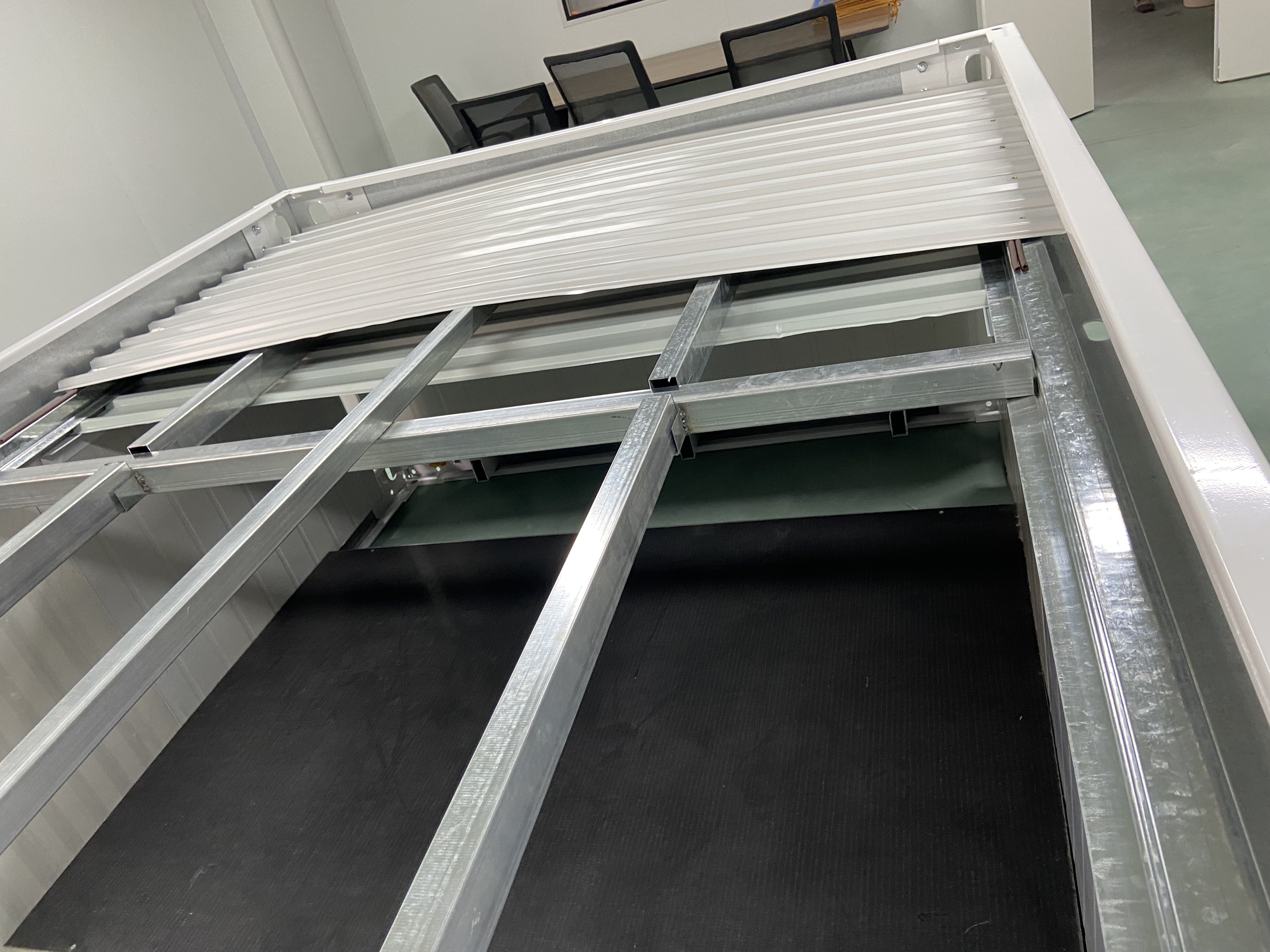
The core value proposition centers on minimizing capital expenditure and construction delays through low-cost, dry-operation modular assembly. By eliminating the need for permanent land indicators, civil foundations, or post-construction decoration, these solutions drastically reduce total deployment costs. The weld-free bolt and slot quick-locking modular assembly technology allows 2-3 individuals to complete a single-box setup within four hours, facilitating rapid batch deployment that traditional methods cannot match.
Structural Integrity Meets Environmental Responsibility
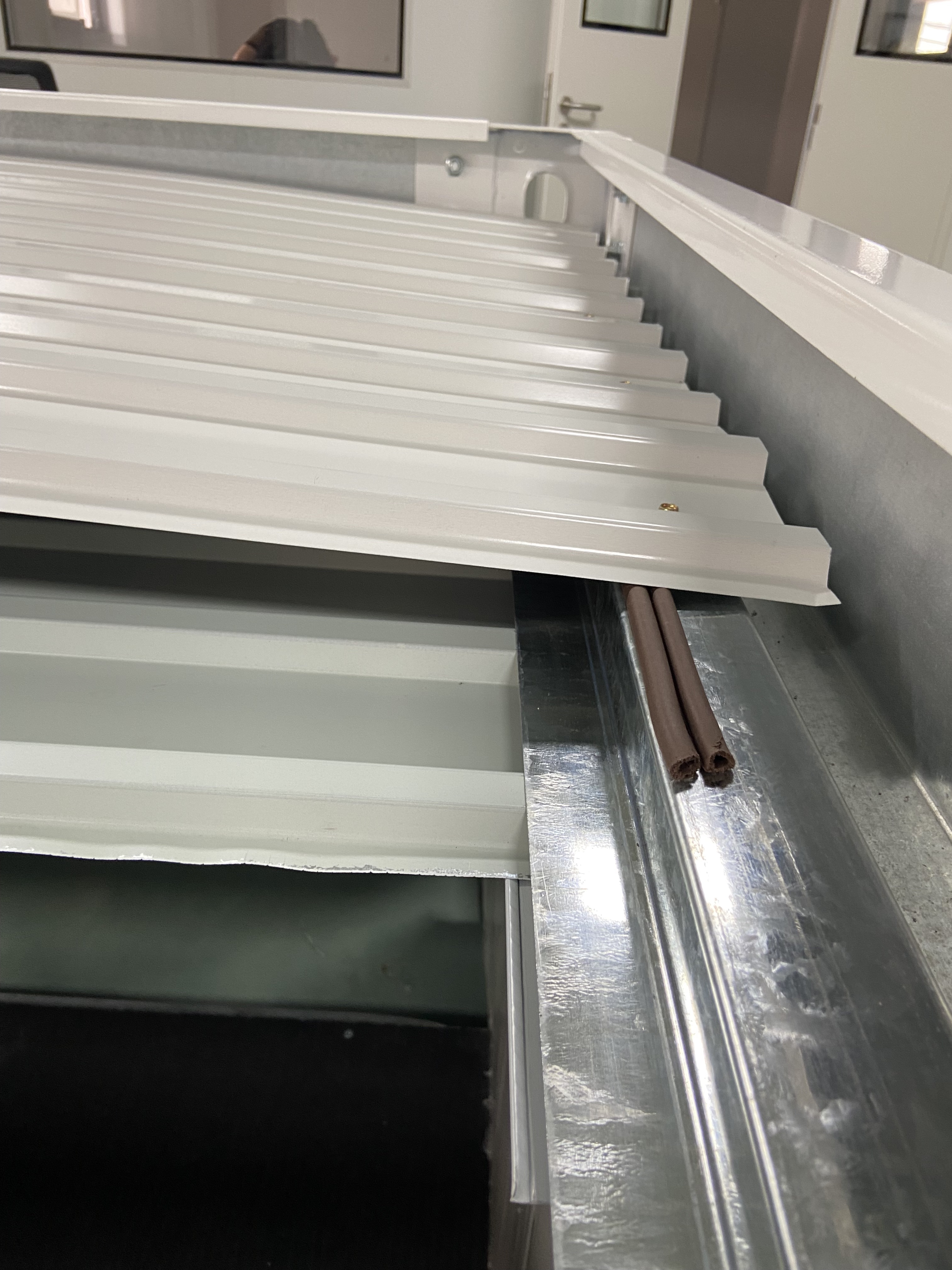
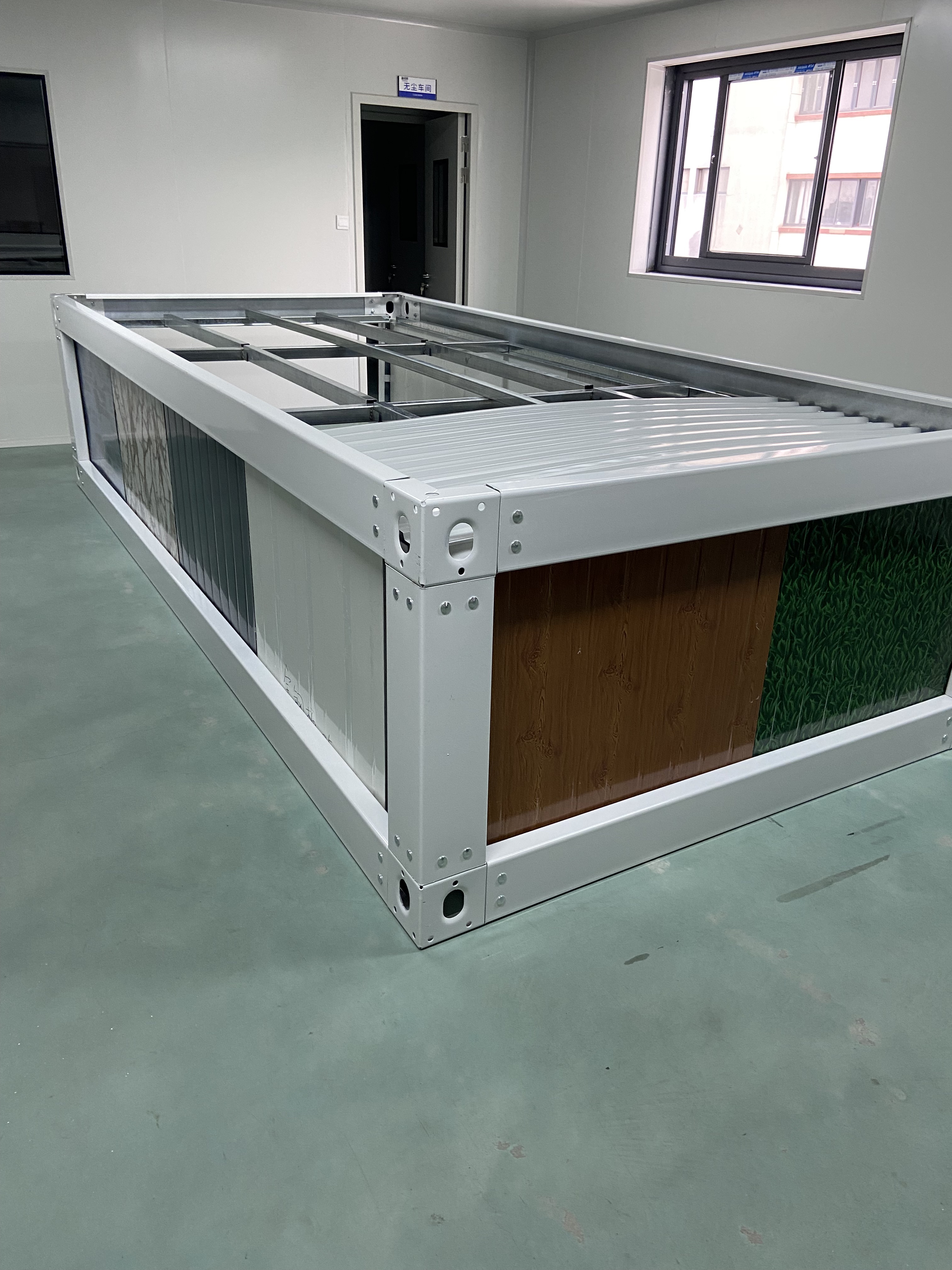
One of the most compelling aspects of quick-assemble container houses is their combination of structural compliance and environmental stewardship. The cold-bending galvanized steel frames with anti-corrosion painting provide exceptional durability, resisting wind, earthquakes, rain, and rust across diverse climate conditions. This weather-resistant construction ensures structural stability and safety compliance through routine testing and adherence to fire insulation standards, addressing concerns about vulnerability in extreme outdoor environments.
From an environmental perspective, these structures embody green building principles through factory-based manufacturing and dry-operation on-site assembly that generates zero construction waste. All materials are fully recyclable, and the detachable, removable, and reusable design enables damage-free disassembly and high reuse rates across different locations. This capability eliminates the material waste and relocation costs that plague traditional temporary setups, aligning perfectly with carbon-footprint reduction goals in environmentally sensitive areas.
Solving Real-World Pain Points Across Industries
The versatility of quick-assemble container houses addresses specific challenges across multiple sectors. In project construction environments, these structures serve as project department offices, site dormitories, meeting rooms, access control checkpoints, and warehouses, solving the dual problems of high temporary construction costs and lengthy building approval cycles.
For government emergency services, the rapid deployment capability proves invaluable for disease prevention facilities, flood control shelters, emergency rescue bases, and security duty booths. The ability to achieve operational readiness within hours rather than weeks or months can literally save lives during crisis situations.
The cultural tourism and commercial sectors benefit from the flexible space combination capabilities that support individual-box, row, multi-story, additional floor, and balcony configurations. Residential tourist accommodations, commercial shops, exhibition halls, camping bases, and highway service stations can be customized and deployed rapidly, addressing rigid layout limitations of traditional temporary buildings.
Industrial parks and mining operations leverage these solutions for public restrooms, equipment rooms, and administrative offices, appreciating the elimination of civil foundation requirements and the mobility that allows structures to move with operational needs.
Even individual consumers and micro-businesses find value in temporary residential housing, private storage units, and creative studios that can be established quickly without significant capital investment or permanent land commitments.
Technical Innovation Driving Market Adoption
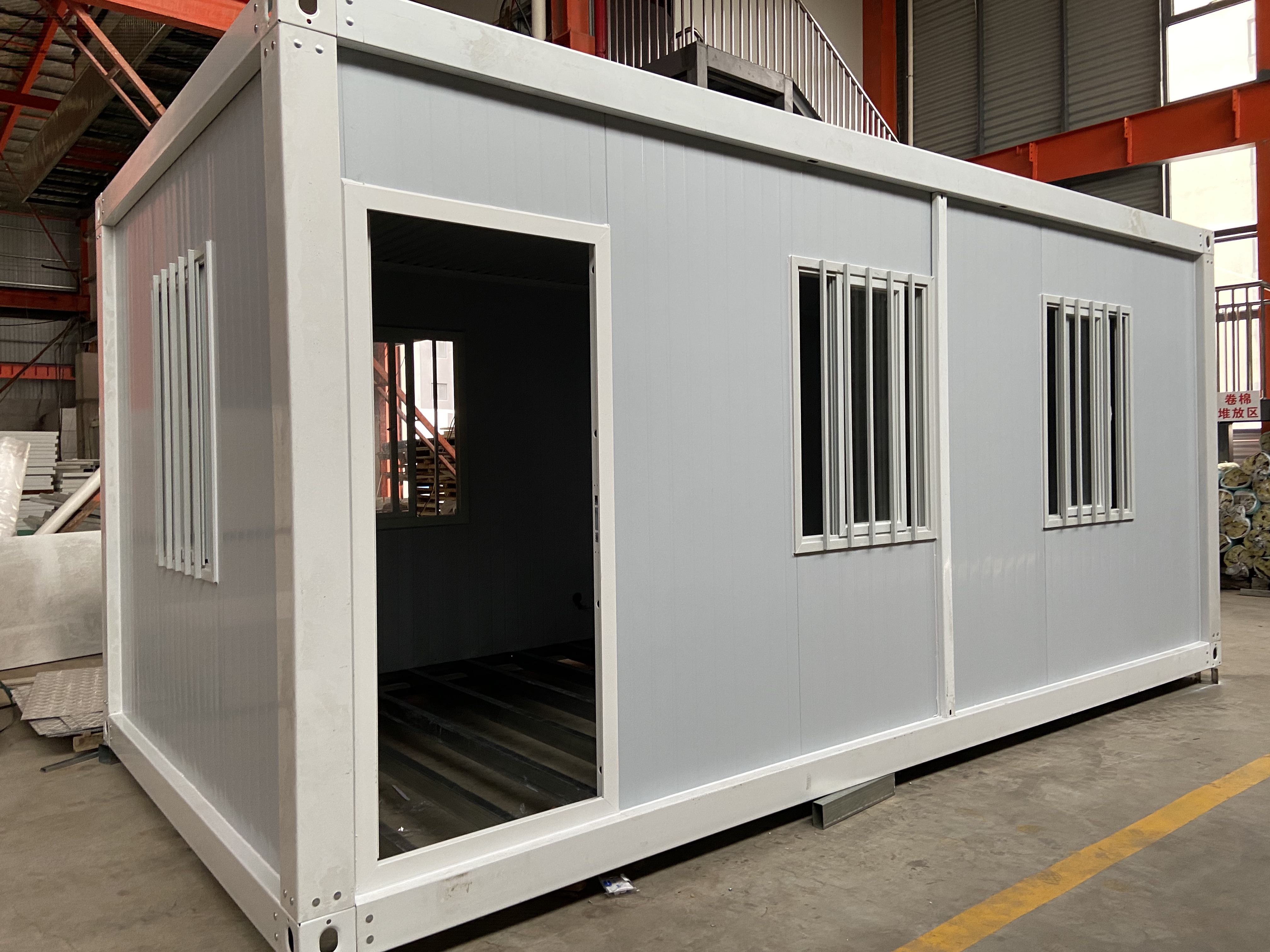
The technical highlights of quick-assemble container houses demonstrate sophisticated engineering focused on practical deployment challenges. The weld-free modular assembly technology not only accelerates installation but also enables non-destructive disassembly, ensuring structures leave no permanent land footprint. This characteristic proves critical for projects lacking land occupancy indicators or requiring temporary permits.
The ready-to-use setup with pre-installed electrical wiring, plumbing, doors, windows, wall panels, and suspended ceilings eliminates the extended commissioning and interior decoration cycles that delay traditional construction projects. Users can achieve operational functionality immediately upon placement, dramatically shortening the path from concept to productivity.
Furthermore, the customized adaptation options available for dimensions, doors, windows, interior and exterior decorations, insulation, soundproofing, and air-conditioning positions address the uniform design limitations of standardized temporary buildings. This flexibility ensures that specialized use cases receive appropriately tailored solutions without sacrificing the speed and cost advantages of modular construction.
Economic Value Beyond Initial Cost Savings
While the immediate cost advantages of quick-assemble container houses are evident through reduced transportation, labor, and installation requirements, the long-term economic value extends further. The fully relocatable and reusable nature of these structures means that capital invested in temporary facilities is not lost when projects conclude or relocate. Organizations can redeploy the same structures across multiple projects, amortizing costs over extended periods and multiple uses.
The elimination of post-maintenance efforts represents another significant economic benefit. Traditional temporary buildings often require ongoing repairs, weatherproofing, and structural reinforcement. The durable galvanized steel construction of quick-assemble containers minimizes these recurring costs, providing predictable total cost of ownership.
Market Validation Across Diverse Applications
The broad industry coverage spanning real estate and construction, government and public sector, retail and consumer goods, media entertainment and tourism, energy mining and industrial parks demonstrates market validation of the quick-assemble container approach. This diverse adoption reflects the universal applicability of solutions that address fundamental construction challenges rather than niche requirements.
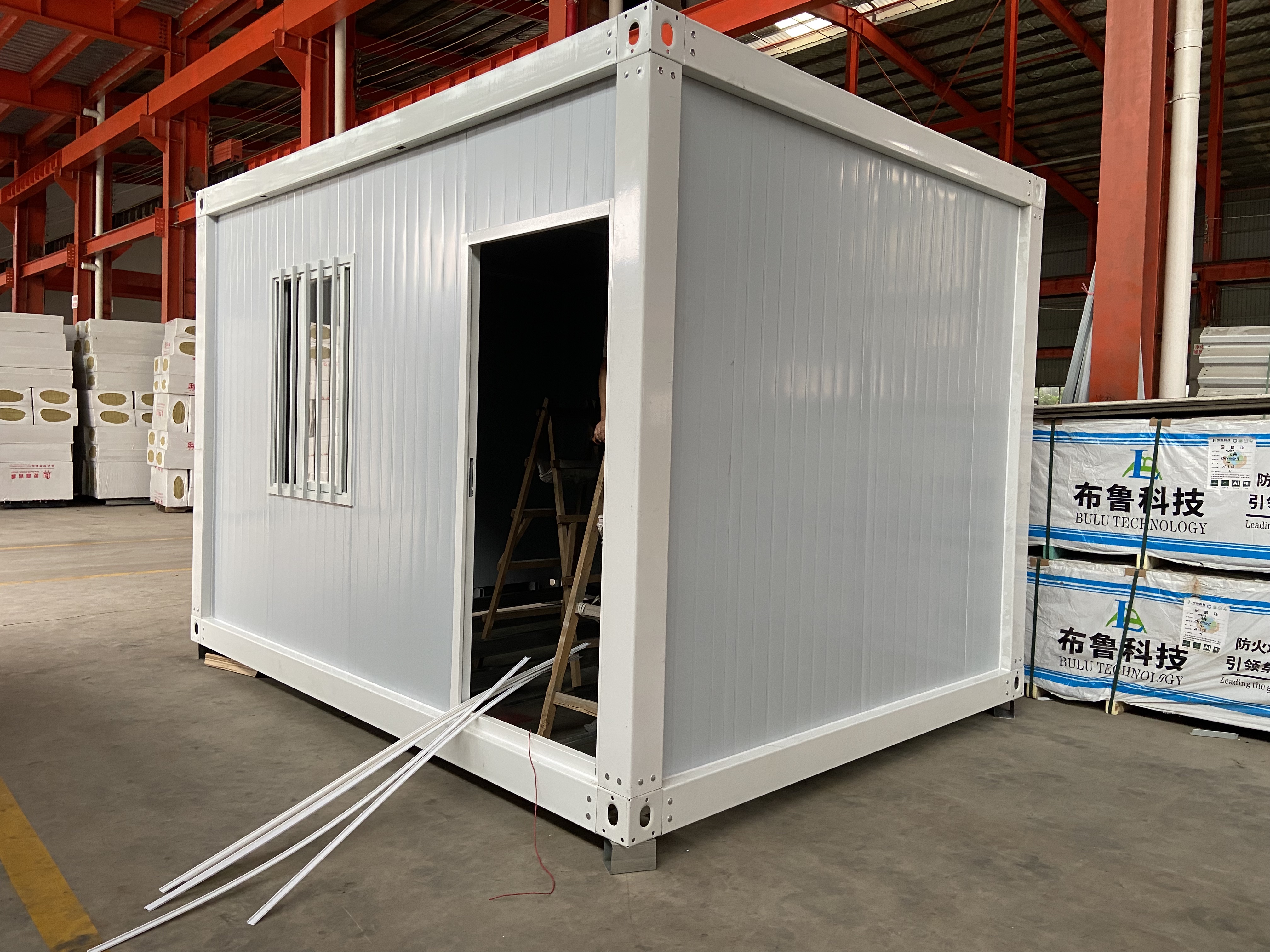
Customer types ranging from project construction departments and emergency management agencies to cultural tourism operators, industrial administrators, and individual consumers reveal the scalability of the technology across organizational sizes and deployment scenarios. The consistency of value delivery whether deploying single units for micro-businesses or batch installations for large construction projects speaks to the robustness of the underlying technology.
Conclusion: A Paradigm Shift in Temporary Construction
Quick-assemble container houses represent more than incremental improvement over traditional temporary construction methods. They constitute a fundamental reimagining of how organizations should approach space needs that are temporary, semi-permanent, or subject to relocation. By delivering structures that can be "built on demand and moved with use," this technology aligns construction capabilities with the dynamic realities of modern business operations.
The combination of accelerated deployment timelines, minimized capital requirements, structural durability, environmental responsibility, and complete mobility addresses the core pain points that have plagued temporary construction for decades. As industries continue prioritizing agility, cost efficiency, and sustainability, quick-assemble container houses stand positioned as the logical choice for forward-thinking organizations seeking competitive advantage through superior space solutions.
www.safetycontainer.com
Suzhou Guxin Steel Structure Co., Ltd