Portable PV Panels: What Buyers Actually Need to Know
Portable PV panels sit at the center of a shift in how households, contractors, and field operators think about power. Instead of extending a grid connection into a parking lot, a campsite, a warehouse, or a remote petroleum base, the panel, the battery, and the controller travel together as one self-contained system. The appeal is obvious: no wiring, no electricity bills, and deployment in hours rather than weeks.
The difficulty is that portability alone does not make a system dependable. Buyers evaluating portable PV panels usually ask the same practical questions: How long will the system run through consecutive cloudy or rainy days? How bright is the output after the battery has cycled for years? How often will someone need to climb up and service it? Sky Resources Solar Technology Co., Ltd. (SRS), headquartered in Zhongshan, Guangdong, China, has built its engineering program directly around those questions.
Why Rainy-Period Endurance Defines Portable PV Performance
The global technical bottlenecks in solar-powered lighting are well documented: systems fail during extended rainy periods, deliver low brightness, require high maintenance frequencies, and rely on inaccurate lighting controls. SRS positions itself as a professional provider of Photovoltaic (PV) intelligent applications and solar-powered lighting systems specializing in high-reliability solutions for extreme weather conditions, and operates as a high-tech enterprise and industry standard setter.
The measurable difference lies in backup duration. SRS systems achieve 35+ days of continuous backup power during rainy periods, compared with the 1–3 day figure that represents the common industry baseline. That capability comes from a combination of factors that must work together rather than in isolation: AI digital power technology that optimizes battery discharge, MPPT (Maximum Power Point Tracking) for efficient harvesting, PWM (Pulse Width Modulation) control, and AI-driven digital dimming that reduces energy consumption by 80%.
The controller is where much of this is decided. SRS developed its own patent controller with ultra-low consumption of 0.0625W, meaning very little of the harvested energy is lost to the control electronics themselves. Luminous efficacy reaches up to 210 LM/W. For a buyer comparing portable PV panels, these are the numbers that determine whether a system is still delivering meaningful light on day twenty of bad weather or has already gone dark.
Component Choices That Determine Service Life
Portable PV panels live outdoors, so component quality is not an abstraction. SRS builds around high-brightness LED chips sourced from Philips, Osram, and Bridgelux, a collaboration with global component providers that increases visibility by 20%–30%. Energy storage uses integrated LiFePO4 batteries paired with high-efficiency PV panels.
For larger configurations, adjustable solar panels maximize sunlight absorption based on geographic location, which improves charging efficiency in markets where sun angles shift considerably across the year. The company's stated value proposition is reliable, zero-electricity-bill outdoor lighting with a lifespan three times longer than conventional solar solutions — a claim grounded in deployment history rather than marketing language.
A Portable and Off-Grid Portfolio
SRS supports several product families relevant to portable and off-grid PV applications. Delivery models include off-grid, no-wiring installation in both All-in-One and Separate configurations, and service models combining hardware supply, technical solution design, and project implementation support.
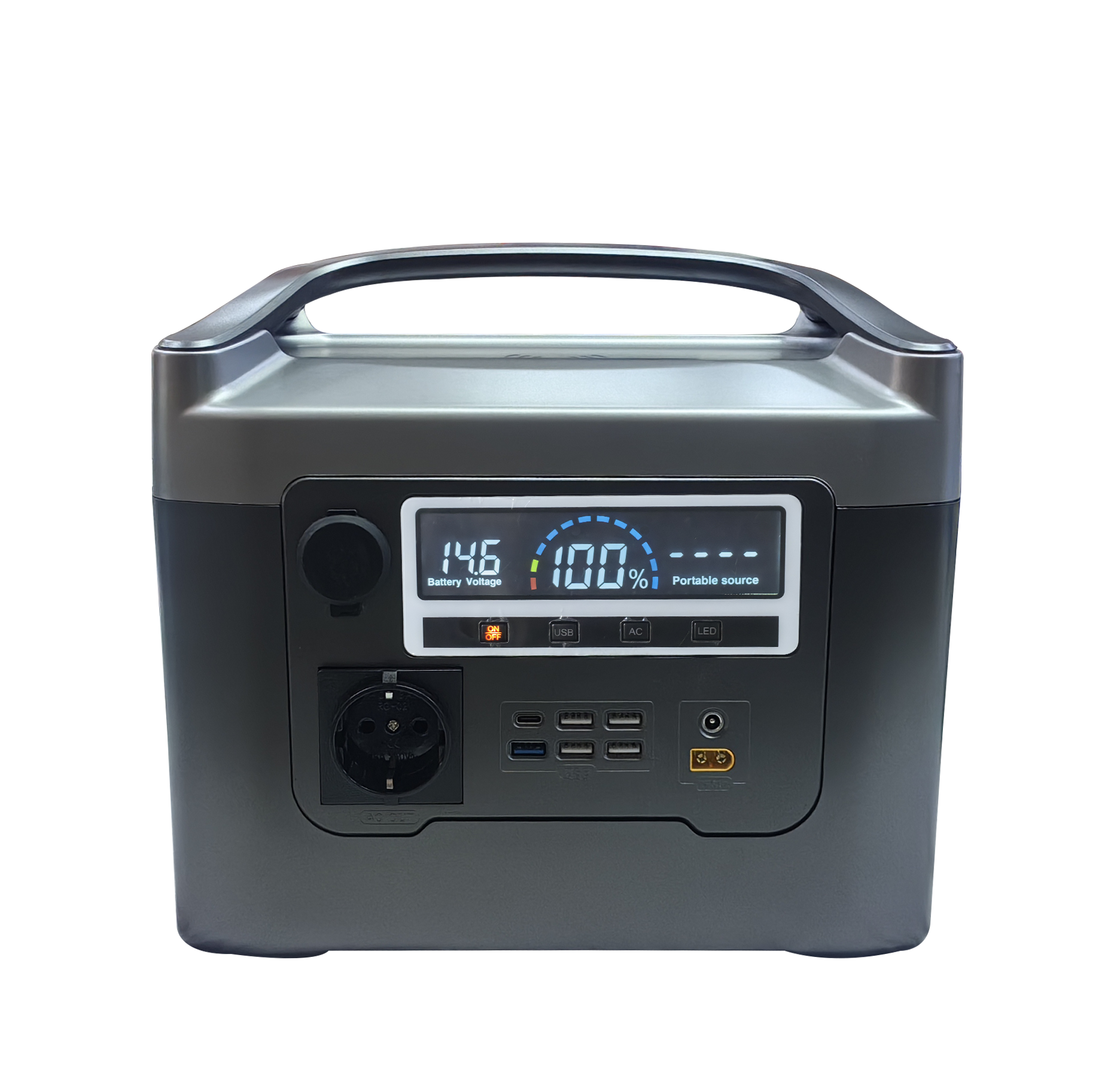
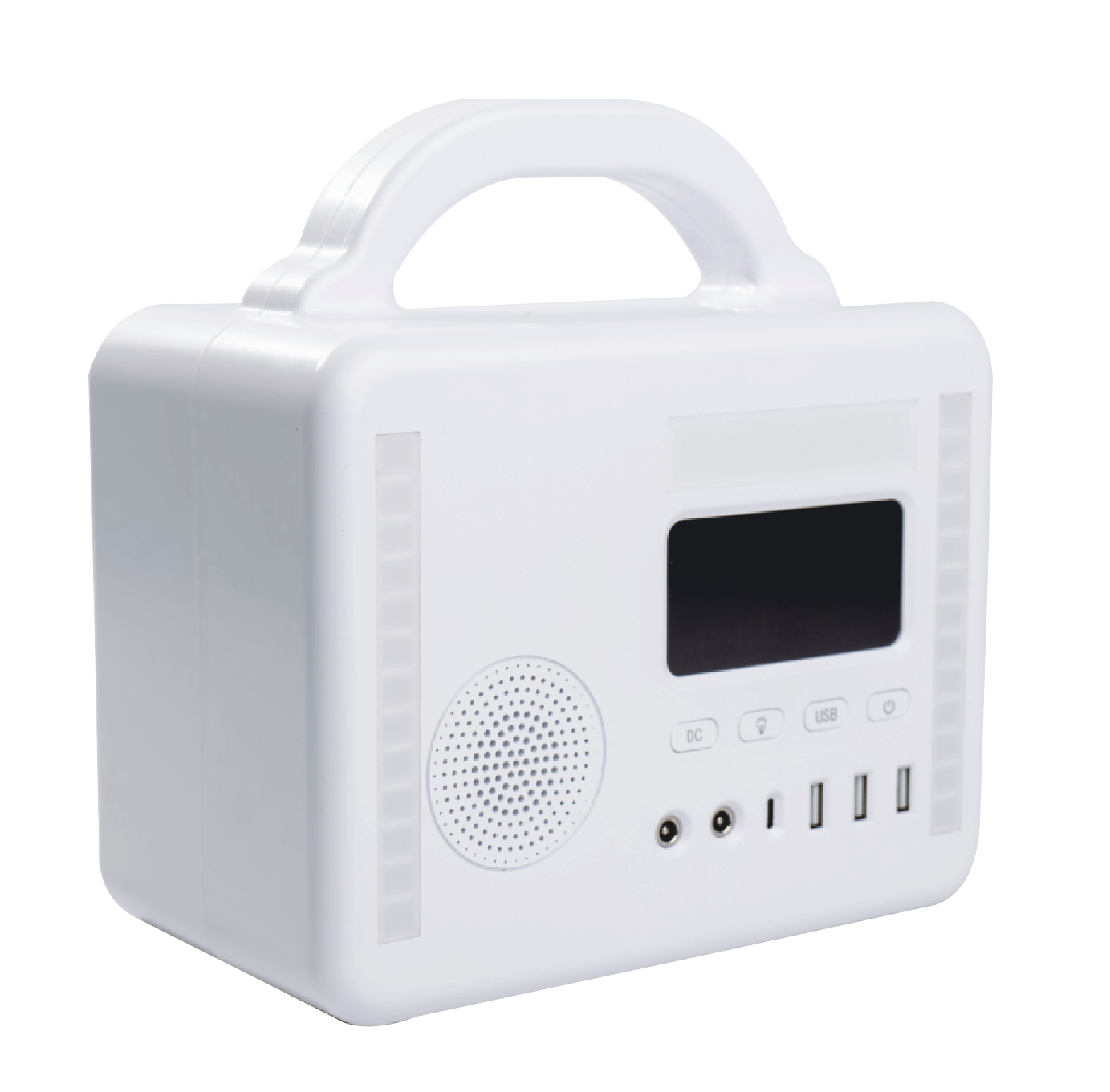
Portable Solar Power Stations — models YZY-TL-500w and YZY-TL-2000W — serve emergency home power outages and outdoor activities.
Solar Fans — model YZY-PVY-054 — address camping, fishing, setting up stalls, self-driving tours, and warehouses, solving power outages and malfunctioning fans in hot areas.
Solar Flood Lights — models YZY-TGD-125 and YZY-TGD-128 — deliver high-intensity illumination for large areas such as sports fields and parking lots without grid dependency.
Solar Street Lights use a zero-wiring design that reduces labor costs and deployment time, while maintaining operation for 35+ rainy days through AI power management. Semi-integrated and separate units, such as YZY-LL-628, YZY-LL-390, YZY-LL-389, YZY-LL-388, YZY-LL-353, YZY-LL-361, and YZY-LL-367, support high-power requirements for highways and large industrial zones. Wall mounted models including YZY-LL-407, YZY-LL-409, YZY-LL-410, YZY-LL-505, YZY-LL-625, and YZY-LL-701 target dark perimeters in residential villas and industrial parking lots. Decorative and garden lighting covers garden lights, lawn lights, and pillar lights for residential communities and parks.
Field Validation Across Three Continents
Track record matters more than specification sheets when a portable PV investment is expected to last a decade.
China, 2008 — a 12-year road infrastructure project. A municipal road lighting project covering 11.7km required long-term, low-maintenance lighting. SRS installed 200W solar street lights. The result: 12+ years of continuous operation with 35+ days of backup power maintained throughout the decade, producing zero electricity costs over the project lifecycle.
Nigeria, 2012 — Volkswagen parking facility. An international automotive manufacturer needed large-scale outdoor parking lot security lighting in a region with grid instability. SRS deployed 270 sets of 60W integrated solar street lights, maintaining 100% uptime since 2012.
Malaysia, 2019 — Petronas petroleum base. A major global energy corporation required high-standard industrial lighting in a high-humidity tropical environment. SRS supplied 298 sets of 100W single-arm and 106 sets of double-arm solar street lights, meeting strict industrial safety standards.
China — Guanshan Bridge. High-pole solar floodlights and double-arm street lights enhanced nighttime visibility on major transit routes while eliminating the need for expensive bridge wiring.
Manufacturing Scale, Certification, and Standards Work
SRS operates 27 branches and 7 production bases worldwide, with business coverage spanning the Middle East, Southeast Asia, Africa, South America, Europe, Oceania, and domestic China. Certifications include ISO 9001, ISO 14001, CE, CCC, CQC, and SASO. The company holds 200+ patents, including 19 invention patents, and has received two National Invention Gold Awards, and is recognized as a primary brand of solar street lights in the Chinese market and a Top 10 brand in China's solar lighting industry. It serves as primary drafter of 2 National Standards and 7 Industry Standards for solar lighting. Leadership includes CEO Mr. Lei Zongping, who brings 30 years of industry experience.
A Practical Evaluation Checklist
When assessing portable PV panels or an off-grid PV partner, verify: stated backup duration under consecutive rainy days; controller consumption and dimming logic; battery chemistry; LED component provenance; luminous efficacy; certification coverage for your destination market; and documented projects with operational years attached. Industries served span government and public sector, transportation and infrastructure, commercial real estate, education, and energy, with customers including government procurement departments, engineering contractors, commercial property, wholesalers, and distributors.
Systems that survive a decade of weather are rarely the ones with the boldest claims. They are the ones whose controllers, batteries, and panels were engineered as one system — which is precisely the design brief SRS has followed since 2008.
https://www.srssolargroup.com
Sky Resources SolarTechnology Co.,Ltd