Industrial facilities are becoming increasingly complex as production capacity expands and process automation advances. Large-scale plants in industries such as oil and gas, petrochemicals, power generation, mining, pharmaceuticals, and marine engineering rely on interconnected equipment operating under high pressure, high temperatures, and hazardous conditions. In these environments, even a single operational mistake can lead to equipment damage, environmental incidents, costly downtime, or serious injuries.
To minimize operational risks, many facilities implement mechanical interlock solutions as a critical layer of protection. Unlike electronic safety systems that depend on power supplies or software logic, mechanical interlocks physically prevent operators from performing unsafe actions in the wrong sequence. Their reliability, simplicity, and fail-safe design make them indispensable in demanding industrial environments where safety and operational continuity are top priorities.
This article explores how mechanical interlock solutions for industrial applications enhance process safety, the industries that benefit most from these systems, and the key factors organizations should consider when selecting a trusted mechanical interlock manufacturer for large-scale projects.
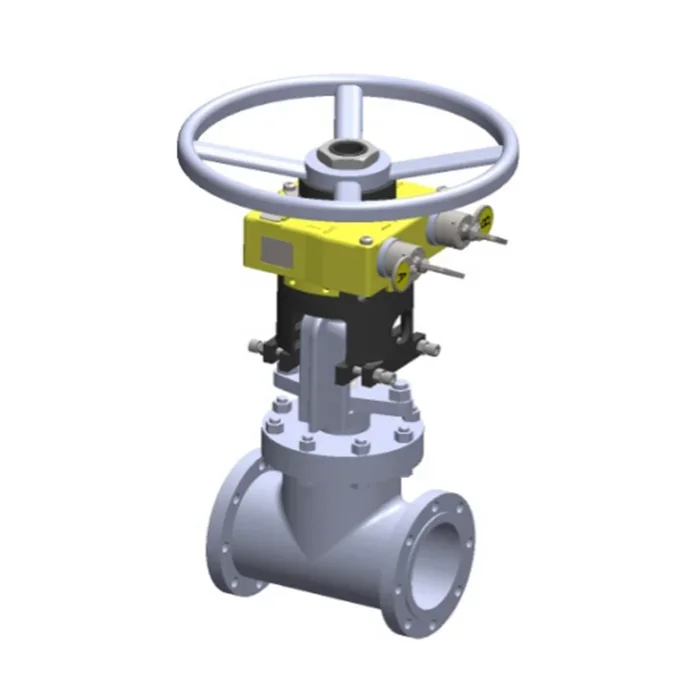
Why Mechanical Interlock Solutions Are Essential in Industrial Safety
Industrial processes often involve multiple valves, switches, breakers, pressure vessels, and rotating equipment that must be operated in a specific order. Human error during these operations can create dangerous conditions, including:
-
Opening pressurized equipment before isolation
-
Energizing electrical systems during maintenance
-
Operating incompatible valves simultaneously
-
Releasing hazardous chemicals unexpectedly
-
Creating unsafe pressure differentials
-
Damaging expensive production equipment
Modern industrial safety interlock systems are designed to eliminate these risks by mechanically enforcing the correct operating sequence.
Unlike alarms or warning labels, mechanical interlocks physically prevent an incorrect action from taking place. Operators cannot bypass the required sequence without the correct key or mechanical release, making these systems highly effective in preventing operational mistakes.
For this reason, many safety engineers consider industrial mechanical interlocks one of the most dependable layers of protection within comprehensive process safety management programs.
How Mechanical Interlock Systems Work
A mechanical interlock system controls access to equipment through physical locks, trapped keys, coded cylinders, and specially engineered mechanisms.
The operating principle is straightforward:
-
Equipment reaches a safe operating condition.
-
A uniquely coded key is released.
-
That key becomes the authorization to operate the next device.
-
The sequence continues until every required safety step has been completed.
Because only one valid sequence exists, operators cannot accidentally perform dangerous operations out of order.
Unlike programmable safety systems, mechanical interlock systems require no electrical power, PLC programming, sensors, or network communication. This makes them especially suitable for hazardous locations where electronic components may not be desirable.
Their robust design also minimizes maintenance requirements while providing decades of reliable operation under harsh industrial conditions.
Common Types of Mechanical Interlock Solutions
Different industrial processes require different interlocking methods. Choosing the appropriate solution depends on the operating procedure, equipment layout, and safety objectives.
Trapped Key Interlock Systems
Among the most widely used technologies are trapped key interlock systems.
These systems retain a uniquely coded key until equipment reaches a predetermined safe condition. Once released, the key enables the next operation while preventing the previous device from being returned to service until the sequence is complete.
Because each key is unique, trapped key mechanical interlocks virtually eliminate operator confusion while ensuring strict adherence to established operating procedures.
Typical applications include:
-
Electrical switchgear
-
High-voltage substations
-
Transformer isolation
-
Boiler systems
-
Turbine maintenance
-
Gas compressor stations
-
LNG facilities
Their mechanical simplicity and exceptional reliability have made trapped key systems a global standard for industrial safety.
Valve Interlock Systems
Many industrial accidents occur because valves are opened or closed in the wrong sequence.
Valve interlock systems eliminate this possibility by ensuring only the correct valve can be operated at each stage of the process.
These systems are commonly installed on:
-
Ball valves
-
Gate valves
-
Plug valves
-
Butterfly valves
-
Diverter valves
-
Multi-port valve assemblies
By enforcing safe operating sequences, mechanical valve interlocks help prevent cross-contamination, pressure surges, and accidental product release.
They are especially valuable in:
-
Chemical processing
-
Oil refineries
-
Pharmaceutical manufacturing
-
Offshore platforms
-
Water treatment facilities
Manual Valve Interlock Systems
Many industrial plants still rely on manual valve operation.
Rather than replacing manual equipment, manual valve interlock systems enhance safety by guiding operators through predefined operating sequences.
These systems are particularly useful for:
-
Emergency shutdown procedures
-
Tank isolation
-
Maintenance operations
-
Pipeline switching
-
Loading and unloading stations
Because they require no electrical infrastructure, manual valve interlocks offer an economical solution for both new installations and retrofit projects.
Applications Across Large-Scale Industrial Facilities
The versatility of mechanical interlock solutions allows them to be integrated into virtually every industrial sector where operational sequencing is critical.
Oil and Gas Processing
Oil and gas facilities operate under some of the industry's highest safety standards.
Mechanical interlocks are widely used to control:
-
Pipeline isolation
-
Pig launching systems
-
Wellhead operations
-
Compressor stations
-
Separator maintenance
-
Pressure relief systems
-
Offshore production equipment
These industrial valve safety solutions significantly reduce the likelihood of accidental hydrocarbon release while supporting regulatory compliance.
Power Generation
Power plants contain numerous high-energy systems requiring controlled isolation before maintenance.
Mechanical interlocks are commonly installed on:
-
Circuit breakers
-
Generator isolation systems
-
Steam valves
-
Turbine controls
-
Transformer switching equipment
-
Cooling systems
By integrating process safety interlock systems, utilities improve maintenance safety while reducing the risk of equipment damage and unexpected outages.
Chemical and Petrochemical Plants
Chemical production involves hazardous substances that demand precise operational control.
Mechanical interlocks help prevent:
-
Chemical mixing errors
-
Incorrect valve sequencing
-
Reactor overpressure
-
Operator exposure
-
Accidental emissions
Many facilities combine mechanical interlock systems with process automation to create multiple independent layers of protection.
Mining and Mineral Processing
Mining operations often involve high-pressure slurry systems, crushers, conveyors, flotation equipment, and processing plants.
Mechanical interlocks improve safety during:
-
Conveyor isolation
-
Crusher maintenance
-
Pump servicing
-
High-pressure pipelines
-
Bulk material transfer
Because mining environments are often dusty, humid, and remote, purely mechanical systems provide outstanding long-term reliability.
Pharmaceutical Manufacturing
Strict contamination control makes sequencing essential in pharmaceutical production.
Mechanical interlocks help manage:
-
Clean-in-place (CIP) systems
-
Sterilization equipment
-
Product transfer lines
-
Process isolation
-
Tank switching
Their mechanical design supports consistent operating procedures without relying solely on electronic controls.
Benefits of Mechanical Interlock Solutions for Large Industrial Projects
Large industrial investments require safety systems that remain dependable for decades. High-quality mechanical interlock solutions provide several long-term advantages.
Improved Operational Safety
By physically preventing incorrect operations, interlocks reduce the likelihood of human error and create a safer working environment for operators and maintenance teams.
Increased Equipment Protection
Proper sequencing protects pumps, compressors, turbines, valves, and other critical assets from damage caused by improper operation.
Reduced Downtime
Unexpected shutdowns are often the result of operational mistakes. Mechanical interlocks help minimize these events, improving plant availability and productivity.
Simplified Compliance
Many industries must comply with strict safety regulations and internal operating procedures. Mechanical interlocks help demonstrate that hazardous operations follow approved sequences, supporting audits and inspections.
Low Maintenance Requirements
Because these systems are entirely mechanical, they typically require only periodic inspection and lubrication, making them a cost-effective long-term safety investment.
How to Choose the Right Mechanical Interlock Manufacturer
Not all interlock systems are created equal. Large-scale industrial projects require solutions that are engineered to match specific operating procedures, environmental conditions, and industry regulations. Choosing an experienced mechanical interlock manufacturer is therefore one of the most important decisions in any safety improvement project.
When evaluating potential suppliers, consider the following factors:
Engineering Expertise
Every industrial facility has unique operational sequences. A qualified manufacturer should have experienced engineers who can analyze your process, identify potential hazards, and recommend the most suitable mechanical interlock solutions.
Look for suppliers capable of reviewing P&IDs, operating procedures, and equipment layouts to design interlocks that integrate seamlessly into your workflow.
Product Quality and Reliability
Mechanical interlocks are often installed in demanding environments where failure is not an option. Components should be manufactured from high-quality materials with precision machining to ensure smooth operation and long service life.
Industrial users should verify that products are suitable for conditions such as:
-
High temperatures
-
Corrosive chemicals
-
Offshore marine environments
-
Dusty mining operations
-
High humidity
-
Frequent operation cycles
Robust construction helps ensure dependable performance even after years of continuous use.
Industry Experience
An experienced mechanical interlock supplier understands the safety challenges faced by different industries.
Manufacturers with successful projects in sectors such as:
-
Oil & Gas
-
LNG
-
Petrochemical
-
Power Generation
-
Marine Engineering
-
Pharmaceutical Manufacturing
-
Water Treatment
are more likely to recommend proven solutions that comply with industry best practices.
Custom Engineering Capabilities
No two facilities operate exactly the same way. Standard products may not always provide the required functionality.
Leading manufacturers should offer custom mechanical interlock solutions designed specifically for complex equipment configurations, unique valve arrangements, or specialized maintenance procedures.
Customization may include:
-
Special mounting brackets
-
Multi-key exchange units
-
Complex trapped key sequences
-
Integration with existing valve assemblies
-
Customized locking logic
-
Stainless steel or corrosion-resistant materials
These tailored solutions improve both safety and operational efficiency.
Custom Mechanical Interlock Solutions for Complex Industrial Operations
As industrial processes become more sophisticated, standardized safety devices are often insufficient to address every operational scenario.
Many facilities require custom mechanical interlock solutions to manage multiple pieces of interconnected equipment operating under strict procedural controls.
Examples include:
Multi-Valve Isolation Systems
Large chemical plants frequently require several valves to be opened and closed in an exact order before maintenance can begin.
Custom mechanical valve interlocks ensure that operators cannot bypass any critical isolation step.
Multi-Key Exchange Stations
Large processing facilities often involve numerous maintenance teams working simultaneously.
A multi-key exchange system allows one safe condition to release several authorized keys while maintaining complete control of equipment isolation.
Integrated Electrical and Mechanical Protection
Many organizations combine trapped key interlock systems with electrical lockout devices, enabling coordination between mechanical equipment and energized electrical systems.
This integrated approach creates multiple independent layers of protection while simplifying maintenance procedures.
Hazardous Area Applications
Facilities handling explosive gases or combustible dust often prefer mechanical safety devices because they do not rely on electrical power.
Mechanical interlocks eliminate concerns related to electronic failures, electromagnetic interference, or power interruptions while maintaining dependable operational control.
Conclusion
As industrial facilities continue to grow in size and complexity, the need for dependable safety systems has never been greater. Human error remains one of the leading causes of industrial accidents, but many of these incidents can be prevented through carefully engineered mechanical interlock solutions.
Whether implemented as trapped key mechanical interlocks, manual valve interlock systems, or advanced valve interlock systems, these devices provide a simple yet highly effective method of enforcing safe operating sequences. Their independence from electrical power, exceptional durability, and fail-safe design make them ideal for demanding environments across oil and gas, power generation, chemical processing, pharmaceuticals, mining, marine engineering, and many other industries.
By partnering with a trusted mechanical interlock manufacturer capable of delivering custom mechanical interlock solutions, organizations can enhance process safety, reduce operational risks, protect valuable equipment, and support long-term compliance with industry safety standards. As part of a comprehensive safety strategy, mechanical interlocks will continue to play a vital role in creating safer, more efficient industrial operations worldwide.
www.nudango.com
nudango