The global energy transition is reshaping the battery industry at an unprecedented pace. As renewable energy installations expand, electric mobility accelerates, and residential energy storage becomes increasingly popular, battery technologies are being evaluated not only by energy density but also by safety, service life, and total cost of ownership. Among various battery chemistries, the lithium ferro phosphate cell has emerged as one of the most competitive solutions for applications requiring long-term stability and high reliability.
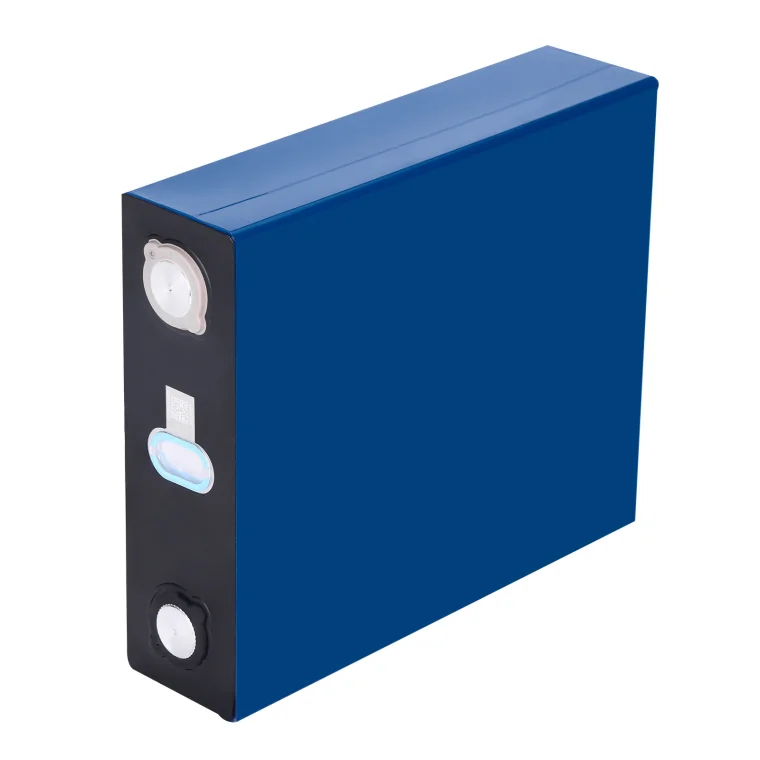
From home energy storage systems and commercial battery cabinets to electric vehicles and industrial backup power, lithium ferro phosphate cells—commonly known as LFP cells—are gaining market share worldwide. Their appeal lies in a unique combination of thermal stability, long cycle life, excellent charge-discharge performance, and lower material costs compared with nickel-based lithium batteries.
As the battery industry moves toward safer and more sustainable energy solutions, understanding the technological advantages of lithium ferro phosphate cells has become essential for manufacturers, integrators, and energy system developers.
Why Lithium Ferro Phosphate Chemistry Is Becoming the Industry Standard
Battery selection is ultimately a balance among safety, performance, lifespan, and economics.
For years, lithium nickel manganese cobalt oxide (NMC) batteries dominated applications where high energy density was the primary goal. However, as energy storage systems become larger and operate for longer periods, the importance of safety and lifecycle economics has increased significantly.
This shift has accelerated the adoption of lithium ferro phosphate cells.
The cathode material in LFP batteries possesses a stable olivine crystal structure, which offers excellent resistance to thermal runaway. Unlike some nickel-based chemistries that may become unstable at elevated temperatures, lithium ferro phosphate cells maintain structural integrity under demanding operating conditions.
Thermal runaway temperatures for LFP cells are generally above 250°C, substantially higher than many conventional lithium-ion batteries. This characteristic reduces fire risks and simplifies thermal management system design, making LFP particularly attractive for stationary energy storage applications.
The absence of cobalt also contributes to supply chain stability and cost control. As raw material markets fluctuate, manufacturers increasingly favor battery chemistries with predictable long-term economics.
These advantages have transformed lithium ferro phosphate cells from a niche technology into a mainstream solution across multiple industries.
Cycle Life Creates Long-Term Economic Value
For energy storage applications, battery lifespan often matters more than initial capacity.
A battery capable of operating reliably for thousands of charge and discharge cycles can significantly reduce replacement costs and improve return on investment.
This is one of the strongest advantages of lithium ferro phosphate cells.
High-quality LFP cells commonly achieve more than 4,000 to 6,000 cycles under standard operating conditions. Premium products can exceed 8,000 cycles while maintaining a large percentage of their original capacity.
To put this into perspective, a battery cycled once per day may continue operating for well over ten years.
This longevity is particularly valuable in applications such as:
Residential solar energy storage, where batteries cycle daily to store photovoltaic energy.
Commercial and industrial energy storage systems, which require reliable operation for peak shaving and backup power.
Telecommunication base stations operating in remote locations with limited maintenance access.
Electric buses and commercial vehicles that accumulate frequent charge-discharge cycles throughout their service life.
Long cycle life not only reduces replacement frequency but also lowers the total cost of ownership, which is increasingly becoming a key purchasing criterion.
Safety Is No Longer Optional
The rapid growth of energy storage installations has brought battery safety into the spotlight.
Large battery systems store enormous amounts of energy. Any failure involving thermal runaway or fire can have significant economic and operational consequences.
As a result, safety has become one of the most important considerations when selecting battery technologies.
Lithium ferro phosphate cells offer several inherent safety advantages.
The phosphate-based cathode chemistry provides excellent thermal stability and strong resistance to oxygen release at elevated temperatures. This reduces the likelihood of chain reactions that can occur in less stable battery chemistries.
Furthermore, LFP cells generally exhibit better tolerance to overcharging and mechanical abuse. While battery management systems remain essential for safe operation, the intrinsic stability of the chemistry provides an additional layer of protection.
For applications installed in residential buildings, schools, hospitals, or densely populated urban areas, these safety characteristics are particularly important.
As regulatory requirements become stricter worldwide, battery technologies with proven safety records are expected to gain even greater market acceptance.
Fast Charging and High Power Output Expand Application Possibilities
Modern energy systems demand flexibility.
Users increasingly expect batteries to charge rapidly, discharge efficiently, and respond quickly to changing energy demands.
Lithium ferro phosphate cells perform well in these scenarios.
Their low internal resistance allows relatively high charge and discharge currents while maintaining stable operating temperatures. Many LFP batteries support charging rates of 1C or higher, enabling rapid energy replenishment without significantly affecting cycle life.
High discharge capability is equally important.
In energy storage systems, batteries may need to supply large amounts of power within short periods to stabilize grids or support backup loads. Electric vehicles require rapid acceleration and efficient regenerative braking.
The electrochemical characteristics of lithium ferro phosphate cells enable them to deliver stable power output across a wide operating range, making them suitable for applications that prioritize power performance over maximum energy density.
As renewable energy penetration increases and electricity demand becomes more dynamic, these characteristics are becoming increasingly valuable.
Manufacturing Quality Determines Battery Performance
Not all lithium ferro phosphate cells offer the same performance.
The quality of raw materials, electrode design, cell manufacturing processes, and quality control systems all influence battery consistency, lifespan, and safety.
Advanced manufacturing technologies are increasingly focused on improving several key areas.
Uniform coating processes enhance electrode consistency and reduce capacity variations among cells. Precision electrolyte filling improves cycle stability and charging efficiency. Automated assembly and intelligent inspection systems minimize manufacturing defects and improve product reliability.
Battery consistency is particularly important in large energy storage systems.
A single battery pack may contain hundreds or thousands of cells connected in series and parallel. Variations in cell performance can affect the entire system's efficiency and lifespan.
Manufacturers capable of maintaining tight production tolerances and rigorous quality standards are therefore better positioned to deliver batteries that perform reliably throughout their operational life.
Energy Storage Growth Is Creating New Opportunities
The future of lithium ferro phosphate cells is closely tied to the global expansion of renewable energy and electrification.
Solar and wind power installations continue to grow rapidly, creating increasing demand for safe and cost-effective energy storage solutions. Residential energy storage systems are becoming more common as homeowners seek energy independence and protection against grid instability.
Commercial and industrial users are investing in battery systems to reduce electricity costs and improve energy resilience.
At the same time, the electric vehicle market is increasingly adopting LFP technology, especially for entry-level and mid-range vehicles where safety, cost, and durability are prioritized over maximum driving range.
These trends are driving significant investments in battery manufacturing capacity and technological innovation.
Huihang Technology is one of the companies contributing to this transformation. As a high-tech enterprise specializing in the research, manufacturing, and sales of new energy lithium batteries, the company focuses on providing high-quality and high-performance battery solutions to customers worldwide.
Through continuous technological development and manufacturing improvements, companies like Huihang are helping accelerate the global transition toward cleaner and more sustainable energy systems.
Conclusion
The lithium ferro phosphate cell has evolved into one of the most important battery technologies in the modern energy industry.
Its advantages in safety, long cycle life, thermal stability, and cost efficiency make it an ideal choice for residential energy storage, commercial systems, electric vehicles, and industrial applications. As battery users increasingly focus on lifecycle value rather than simply energy density, LFP technology is expected to continue expanding its market presence.
The future of energy storage will depend not only on storing more electricity but also on storing it more safely, more economically, and more sustainably. In this transformation, lithium ferro phosphate cells are positioned to play a central role, powering the next generation of clean energy systems around the world.
www.huihangbattery.com
Shenzhen Huihang Technology Co., Ltd.