Introduction
Orbital cutting machines have become essential equipment in industries that require high-precision pipe and tube processing. They are widely used in pharmaceutical manufacturing, food and beverage processing, semiconductor fabrication, biotechnology, aerospace, and high-purity piping systems. These machines are designed to deliver clean, accurate, and burr-free cuts while maintaining the integrity of the pipe material.
However, achieving the best results from an orbital cutting machine requires more than simply turning it on and starting a cut. Proper operation is critical for ensuring operator safety, maximizing cutting efficiency, extending machine lifespan, and maintaining consistent product quality.
Incorrect operation can lead to poor cut quality, equipment damage, increased production costs, and even workplace accidents. Therefore, understanding how to operate orbital cutting machines safely and efficiently is essential for every operator, technician, and production manager.
This guide provides a comprehensive overview of best practices, safety procedures, operational techniques, and maintenance recommendations to help users get the most from their orbital cutting machines.
Understanding Orbital Cutting Machines
Before discussing operation procedures, it is important to understand how orbital cutting machines work.
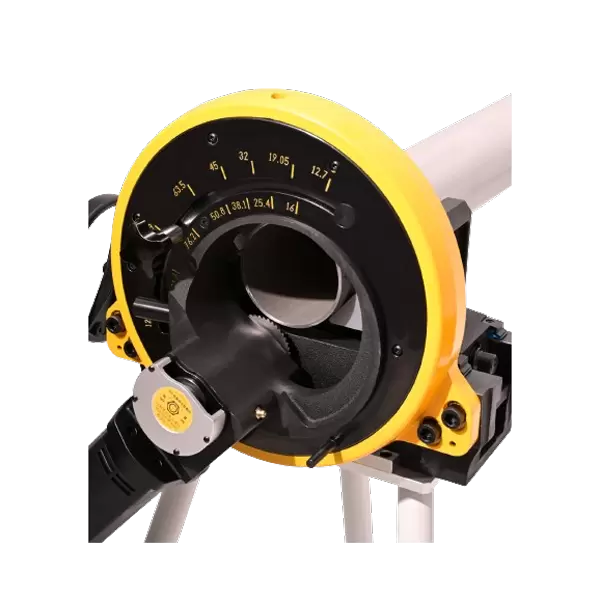
Unlike traditional pipe cutting equipment, orbital cutting machines use a rotating cutting head that travels around a stationary pipe. The machine securely clamps the pipe while the cutting tool performs a precise circular cutting motion.
This design offers several advantages:
-
High cutting precision
-
Burr-free pipe ends
-
Minimal pipe deformation
-
Consistent cut quality
-
Reduced operator dependence
-
Improved weld preparation
Orbital cutting machines are commonly used for:
-
Stainless steel tubing
-
Thin-wall pipes
-
High-purity process piping
-
Specialized alloy tubing
Because these applications often require strict quality standards, proper machine operation is essential.
Why Safe Operation Matters
Safety should always be the first priority when operating industrial cutting equipment.
Although orbital cutting machines are generally safer than many conventional cutting methods, they still involve:
-
Rotating components
-
Sharp cutting blades
-
Electrical systems
-
Moving mechanical parts
-
Metal chips and debris
Failure to follow safety procedures can result in:
-
Hand injuries
-
Eye injuries
-
Equipment damage
-
Product defects
-
Production downtime
A well-trained operator not only protects themselves but also contributes to higher productivity and better cutting performance.
Pre-Operation Safety Inspection
Before starting any cutting job, perform a complete machine inspection.
Check the Machine Condition
Inspect the machine for:
-
Loose components
-
Damaged cables
-
Worn clamping systems
-
Broken safety guards
-
Abnormal vibration signs
Never operate equipment that shows visible damage.
Inspect the Cutting Blade
The cutting blade plays a critical role in cut quality.
Check for:
-
Cracks
-
Chipped teeth
-
Excessive wear
-
Corrosion
A damaged blade can produce poor cuts and increase safety risks.
Replace worn blades immediately.
Verify Electrical Connections
Inspect all electrical components.
Ensure:
-
Power cables are intact
-
Connectors are secure
-
Emergency stop systems function correctly
-
Grounding connections are properly installed
Electrical issues should always be addressed before operation.
Prepare Personal Protective Equipment (PPE)
Operators should wear:
-
Safety glasses
-
Cut-resistant gloves
-
Hearing protection when necessary
-
Safety shoes
-
Appropriate work clothing
Avoid loose clothing, jewelry, or long hair that could become entangled in moving parts.
Preparing the Pipe for Cutting
Proper pipe preparation significantly affects cutting quality.
Clean the Pipe Surface
Remove:
-
Dirt
-
Oil
-
Grease
-
Rust
-
Surface contaminants
Clean pipes ensure better clamping performance and more accurate cuts.
Verify Pipe Dimensions
Confirm:
-
Pipe diameter
-
Wall thickness
-
Material type
Different materials and dimensions may require different cutting parameters.
Using incorrect settings can lead to:
-
Excessive blade wear
-
Poor cut quality
-
Reduced efficiency
Mark the Cutting Position
Although many orbital cutting machines offer positioning aids, clearly marking the desired cutting location improves setup accuracy and reduces errors.
Proper Machine Setup
Correct setup is one of the most important factors in achieving efficient and safe operation.
Select the Appropriate Machine Model
Ensure the machine is suitable for:
-
Pipe diameter range
-
Material type
-
Wall thickness
Operating outside the machine's specifications can compromise performance and safety.
Install the Correct Clamping Inserts
Many orbital cutting machines use interchangeable clamping inserts.
Choose inserts that:
-
Match the pipe size
-
Provide even pressure distribution
-
Prevent pipe deformation
Proper clamping ensures stable cutting conditions.
Secure the Pipe Correctly
Position the pipe within the clamping system and tighten according to manufacturer recommendations.
Avoid:
-
Over-tightening
-
Under-tightening
-
Misalignment
Improper clamping may cause:
-
Pipe movement
-
Inaccurate cuts
-
Increased blade wear
Align the Cutting Head
Ensure the cutting head is correctly positioned relative to the pipe.
Proper alignment helps achieve:
-
Square cuts
-
Consistent wall thickness
-
Better weld preparation
Safe Operating Procedures
Once setup is complete, follow proper cutting procedures.
Start the Machine Gradually
Allow the machine to reach operating speed before engaging the cutting blade.
Avoid sudden starts that may place excessive stress on mechanical components.
Monitor Cutting Progress
Observe the cutting process continuously.
Watch for:
-
Unusual noises
-
Excessive vibration
-
Irregular blade movement
-
Smoke or overheating
Stop the machine immediately if abnormalities occur.
Apply Consistent Feed Pressure
One common operator mistake is applying excessive cutting pressure.
Too much pressure can cause:
-
Blade damage
-
Pipe deformation
-
Rough cut surfaces
-
Increased burr formation
Instead, allow the machine and blade to perform the work at a controlled feed rate.
Keep Hands Away from Moving Components
Never touch:
-
Rotating blades
-
Moving cutting heads
-
Clamping mechanisms during operation
Wait until all movement has completely stopped before making adjustments.
Maximizing Cutting Efficiency
Efficiency is not only about speed. It also includes quality, consistency, and equipment utilization.
Use the Correct Cutting Parameters
Optimal cutting performance depends on:
-
Material type
-
Pipe size
-
Wall thickness
-
Blade specifications
Using proper parameters improves:
-
Cutting speed
-
Surface finish
-
Tool life
Maintain Sharp Cutting Blades
Sharp blades produce:
-
Cleaner cuts
-
Lower cutting resistance
-
Faster processing
Dull blades increase:
-
Energy consumption
-
Burr formation
-
Machine wear
Regular blade inspection is essential for efficient operation.
Minimize Setup Time
Standardized procedures can significantly reduce production downtime.
Best practices include:
-
Organizing tools
-
Preparing materials in advance
-
Using setup checklists
-
Training operators consistently
Efficient setup improves overall productivity.
Optimize Material Handling
Arrange pipes for easy loading and unloading.
This reduces:
-
Operator fatigue
-
Processing delays
-
Handling damage
Well-organized workstations contribute to smoother production flow.
Common Operational Mistakes to Avoid
Even experienced operators occasionally make mistakes that affect performance.
Using Worn Blades
A worn blade can cause:
-
Rough edges
-
Increased burrs
-
Reduced accuracy
Always replace blades according to maintenance schedules.
Incorrect Clamping
Improper clamping may result in:
-
Pipe slippage
-
Deformation
-
Poor cut quality
Always verify clamping security before starting the machine.
Excessive Cutting Force
Applying unnecessary force does not improve productivity.
Instead, it often causes:
-
Blade wear
-
Machine stress
-
Reduced cut quality
Ignoring Maintenance Requirements
Poor maintenance leads to:
-
Unexpected downtime
-
Increased repair costs
-
Lower cutting precision
Preventive maintenance is far more cost-effective than emergency repairs.
Routine Maintenance for Safe and Efficient Operation
Regular maintenance is essential for maintaining machine performance.
Daily Maintenance
At the end of each shift:
-
Remove chips and debris
-
Clean clamping surfaces
-
Inspect blades
-
Check safety systems
Daily cleaning prevents contamination and wear.
Weekly Maintenance
Inspect:
-
Moving components
-
Fasteners
-
Guide systems
-
Electrical connections
Lubricate components according to manufacturer guidelines.
Monthly Maintenance
Perform a more comprehensive inspection of:
-
Motor performance
-
Clamping accuracy
-
Blade alignment
-
Mechanical wear
Address minor issues before they become major problems.
Training and Operator Competency
The effectiveness of an orbital cutting machine depends heavily on operator skill.
Comprehensive training should cover:
-
Machine operation
-
Safety procedures
-
Troubleshooting
-
Maintenance basics
-
Emergency response protocols
Well-trained operators deliver:
-
Higher productivity
-
Better cut quality
-
Lower operating costs
-
Improved workplace safety
Continuous training programs help maintain operational excellence.
Benefits of Safe and Efficient Operation
Organizations that follow proper operating procedures experience significant advantages.
These benefits include:
Improved Product Quality
Consistent operation produces:
-
Square cuts
-
Burr-free edges
-
Better welding preparation
Lower Production Costs
Efficient operation reduces:
-
Scrap rates
-
Rework
-
Tool replacement costs
Increased Machine Lifespan
Proper maintenance and operation extend equipment service life.
Enhanced Workplace Safety
Following safety procedures reduces accidents and injuries.
Higher Productivity
Optimized processes allow manufacturers to achieve more output with fewer resources.
Future Trends in Orbital Cutting Machine Operation
Modern orbital cutting systems are becoming increasingly intelligent.
Emerging technologies include:
-
Digital process monitoring
-
Automatic feed control
-
Predictive maintenance systems
-
Smart diagnostics
-
Industry 4.0 integration
These innovations will further improve safety, efficiency, and process consistency.
Conclusion
Operating orbital cutting machines safely and efficiently requires a combination of proper training, careful setup, routine maintenance, and disciplined operating procedures. While these machines are designed to deliver highly accurate and burr-free cuts, their performance depends greatly on how they are used.
By following best practices such as inspecting equipment before use, selecting the correct cutting parameters, maintaining sharp blades, ensuring proper clamping, and adhering to safety guidelines, operators can maximize productivity while minimizing risks.
As precision manufacturing continues to grow across industries such as pharmaceuticals, semiconductors, food processing, and aerospace, orbital cutting machines will remain a critical tool for producing high-quality pipe and tube assemblies. Safe and efficient operation not only protects workers and equipment but also ensures consistent results that meet the highest industry standards.
https://www.nodha.com/blog/how-to-operate-orbital-cutting-machines-safely-and-efficiently.html
nodha