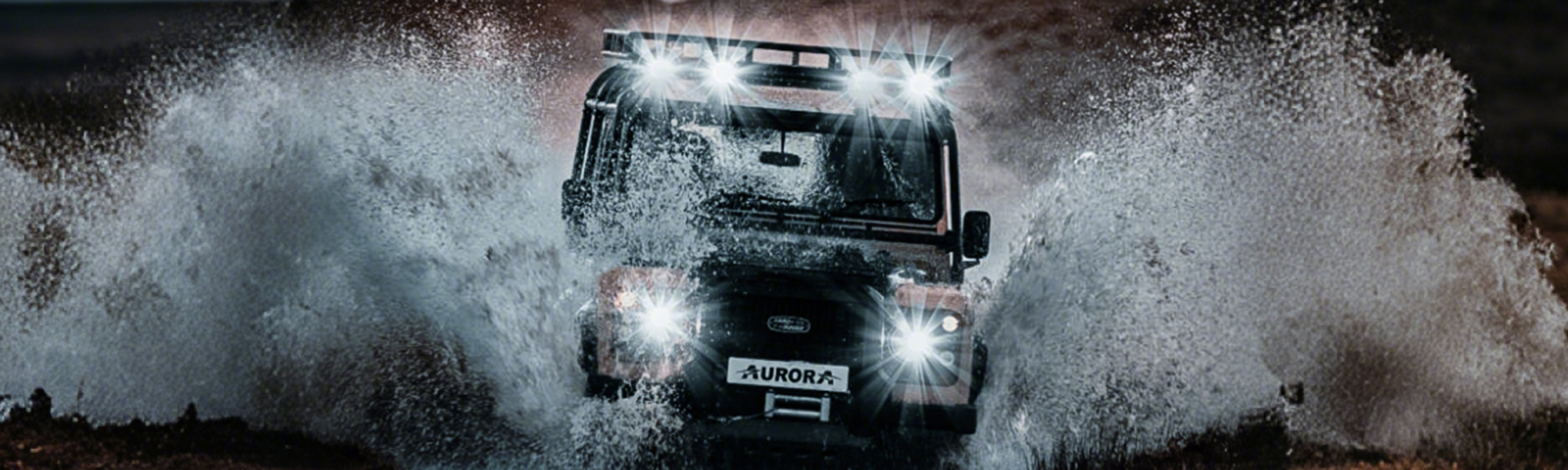
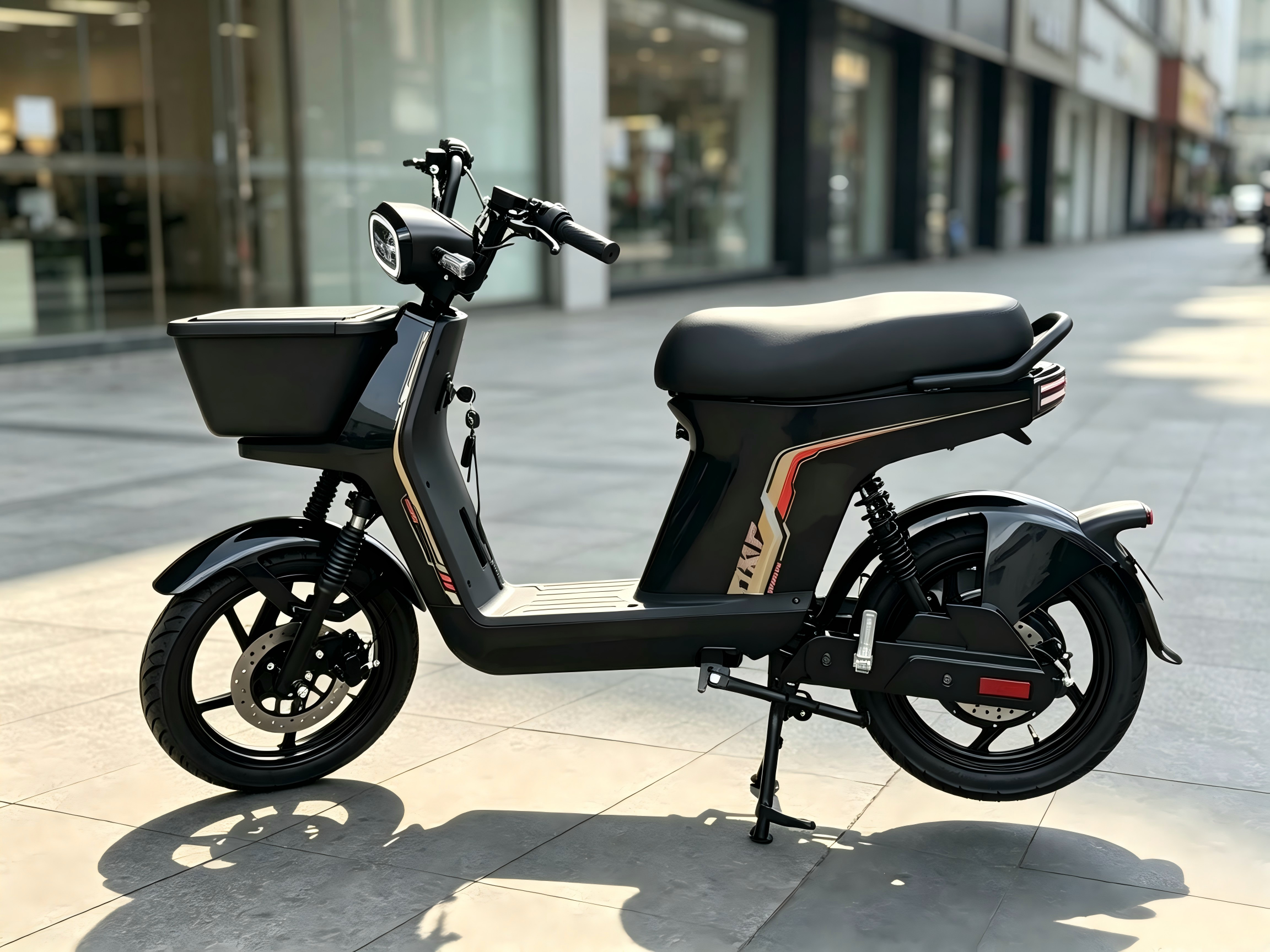
When it comes to equipping all-terrain vehicles (ATVs) with auxiliary lighting, owners face a unique challenge: how to achieve professional-grade illumination without compromising the compact design that makes these machines so versatile. Traditional offroad light bars often prove too bulky, while generic LED solutions struggle with durability in harsh riding conditions. Understanding the specific requirements of small vehicle installations has become essential for riders who demand both performance and practicality.
The Unique Demands of ATV Lighting Systems
ATV lighting installations differ fundamentally from standard offroad vehicle applications. Space constraints on handlebars, front racks, and A-pillars require lighting solutions that deliver maximum output within minimal footprints. Additionally, ATVs encounter extreme vibration levels and environmental exposure that exceed typical automotive conditions. Riders frequently navigate through water crossings, mud, dust storms, and temperature extremes—all while subjecting mounted equipment to constant shock and impact.
The installation process itself presents challenges. Unlike trucks or Jeeps with substantial mounting surfaces and electrical systems, ATVs offer limited real estate and simplified wiring harnesses. This means lighting solutions must integrate seamlessly without requiring extensive modifications or professional installation services. Weight distribution also matters significantly; every pound added to the front end affects handling characteristics on technical terrain.
Engineering for Compact Vehicle Integration
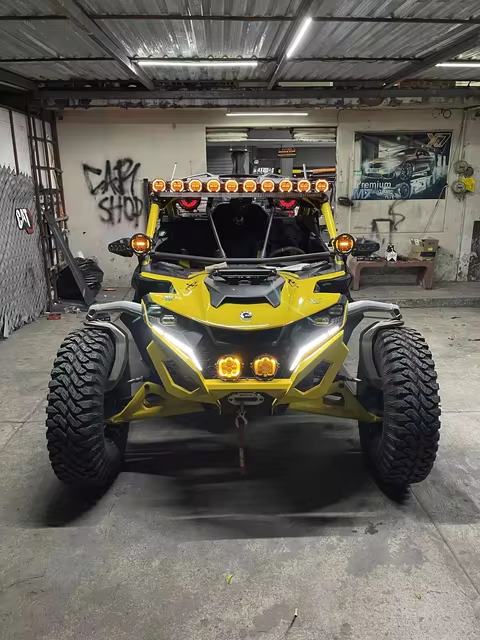
Addressing these constraints requires rethinking traditional lighting design from the ground up. Shenzhen Aurora Technology Limited has developed specialized approaches that prioritize space efficiency without sacrificing illumination quality. Their modular extendable light bar series exemplifies this philosophy, allowing riders to configure lighting arrays from 10-inch to 50-inch lengths by linking individual modules. This customizable approach means ATV owners can match lighting width precisely to their vehicle's dimensions, avoiding overhang that creates snag points on trail obstacles.
The company's screwless structural design, protected by global design patents, delivers particular advantages for compact installations. By eliminating traditional screw-based assembly, these units reduce overall housing thickness while simultaneously improving waterproof integrity. This matters significantly for ATV applications where every millimeter of clearance counts, and where conventional screw holes create vulnerability to water ingress during stream crossings or pressure washing.
Waterproofing That Matches ATV Environments
Standard IP ratings often prove insufficient for ATV duty cycles. While many automotive lights claim waterproof performance, they fail under the specific conditions ATVs encounter—sustained submersion, high-pressure water jets, and freeze-thaw cycles that create expansion stresses. Aurora's patented steel bar compression system addresses this by distributing pressure evenly across waterproof seals, functioning like thousands of contact points rather than discrete screw locations. This engineering approach enables IP68 and IP69K ratings that withstand both underwater operation and high-temperature, high-pressure washing.
For riders in cold climates, the ice-melting light series solves a problem that conventional lights ignore entirely. Internal sensors detect ice formation and redirect heat dissipation to melt accumulation on lens surfaces—without requiring secondary heating elements that drain electrical systems. This automated de-icing maintains visibility during winter trail rides when manual lens cleaning proves impractical.
Thermal Management in Confined Spaces
Heat dissipation presents particular challenges in ATV lighting installations. Compact housings trap thermal energy more readily than larger units, while limited airflow around tightly-mounted fixtures reduces natural cooling. Aurora's patented "1+1" and "1+1+1" structural designs for LED bulbs tackle this by integrating PCB and housing components, minimizing heat transfer media layers that create thermal bottlenecks. This approach maintains optimal LED operating temperatures even in small form factors with restricted ventilation.
The 180-degree heat dissipation architecture incorporated into their light bar designs further enhances thermal performance. By distributing heat across maximum surface area, these units avoid the hot spots that accelerate LED degradation and reduce output over time. For ATV riders who depend on consistent illumination during multi-hour night rides, this engineering translates directly to reliable long-term performance.
Optical Performance Tailored to Trail Riding
Compact lighting must deliver appropriate beam patterns for ATV-specific use cases. Trail riding requires a combination of spot throw for identifying obstacles at distance and flood coverage for peripheral awareness in tight woods. Aurora's AR reflector technology achieves over 97% light efficiency while shaping beams to eliminate dark spots and reduce glare for oncoming traffic on shared trails.
Their Alien Shape light bar series (S10/D10) integrates dual white and amber DRL functions with sequential startup effects that enhance visibility to other trail users. The amber/golden light option provides particular value for ATV riders who frequently encounter dust and fog conditions, offering 80% better penetration in low-visibility environments compared to standard white beams. This dual-functionality approach consolidates multiple lighting needs into single compact units.
Installation Simplicity for DIY Owners
Most ATV owners prefer handling modifications themselves rather than seeking professional installation services. Recognizing this, effective compact lighting solutions must include straightforward mounting systems and clear electrical integration. Tough stainless steel brackets with anti-vibration properties provide secure attachment points while allowing angular adjustment to aim beams precisely.
The modular linkable design philosophy extends beyond length customization to simplify replacement and maintenance. Individual modules can be serviced or upgraded without replacing entire lighting arrays, reducing long-term ownership costs. This modularity also allows riders to start with minimal installations and expand configurations as needs evolve or budgets allow.
Certification Standards That Ensure Compliance
Even auxiliary lighting for recreational vehicles must meet regulatory standards in many jurisdictions. Aurora's products carry E-mark (R149, R112), SAE, DOT, and CE certifications, ensuring compatibility with legal requirements across global markets. For ATV owners who occasionally ride on public roads or participate in organized events with equipment inspections, these certifications prevent complications.
The company's IATF 16949 and ISO 9001 quality management certifications indicate manufacturing consistency that matters for small vehicle applications. With limited space for redundancy, ATV lighting must perform reliably from the first installation—quality control processes backed by these standards reduce failure rates that would otherwise leave riders without illumination in remote locations.
Matching Lighting to ATV Mission Profiles
Different ATV use cases demand different lighting characteristics. Utility vehicles used for ranch work benefit from wide flood patterns that illuminate work areas during early-morning or evening tasks. Sport ATVs used for trail riding prioritize lightweight spot beams that identify terrain features at speed. Mud-focused machines require maximum waterproof protection and easy cleaning after submersion in bogs.
The Evolve LED light bar addresses diverse requirements through multi-functional design, integrating high beam, low beam, scene beam, flood beam, and spot beam patterns in single units with six-level dimming. This consolidation approach allows ATV owners to meet varied lighting needs without mounting multiple specialized fixtures that consume precious space and add unnecessary weight.
Long-Term Reliability in Harsh Conditions
ATV lighting investments must deliver years of service despite punishing operating conditions. Aurora's products undergo comprehensive testing protocols including UV exposure, vibration stress, salt fog corrosion, and extreme temperature cycling. These validation procedures simulate years of accumulated trail abuse, identifying potential failure modes before products reach customers.
The company's 35,000-square-meter manufacturing facility equipped with CNC machines, SMT lines, and X-ray inspection systems ensures production consistency across large volumes. With over 400 employees and 200+ innovation patents, the infrastructure supports continuous improvement in compact lighting technologies specifically engineered for small vehicle applications.
Practical Considerations for Purchase Decisions
When evaluating compact ATV lighting solutions, several factors warrant careful assessment. Physical dimensions must match available mounting locations while providing desired illumination levels. Waterproof ratings should exceed IP68 for serious offroad use. Heat dissipation capabilities need verification through independent testing rather than marketing claims alone. Mounting hardware should accommodate the specific shock and vibration profiles that ATVs generate.
Certification compliance prevents legal complications and indicates adherence to safety standards. Warranty terms and replacement part availability affect long-term ownership experience, particularly for remote-area riders who cannot easily return defective units. Finally, optical performance specifications—lumens, beam distance, and pattern shape—should align with actual riding conditions rather than pursuing maximum numbers that may not translate to practical visibility improvements.
Compact ATV lighting has evolved beyond simply shrinking truck-sized light bars. Purpose-engineered solutions now address the specific spatial, environmental, and performance requirements that small vehicle installations demand, delivering professional illumination capabilities within the constraints that define ATV applications.
https://www.szaurora.com/
Shenzhen Aurora Technology Co., Ltd.