As industries continue to demand safer, more reliable, and environmentally responsible electrical systems, transformer technology is constantly evolving to meet new challenges. Among the various transformer solutions available today, the cast resin dry-type transformer has become an increasingly popular choice for industrial facilities, commercial buildings, renewable energy projects, and critical infrastructure.
Unlike conventional oil-immersed transformers, cast resin dry-type transformers use epoxy resin insulation instead of liquid insulation. This design provides excellent electrical performance while significantly improving fire safety, environmental protection, and maintenance efficiency.
With advantages such as strong mechanical strength, resistance to moisture and contamination, low maintenance requirements, and reliable operation in demanding environments, cast resin dry-type transformers have become an important component of modern power distribution systems.
This article will explore the key features, major benefits, and industrial applications of cast resin dry-type transformers to help engineers, project managers, and procurement professionals better understand their value.
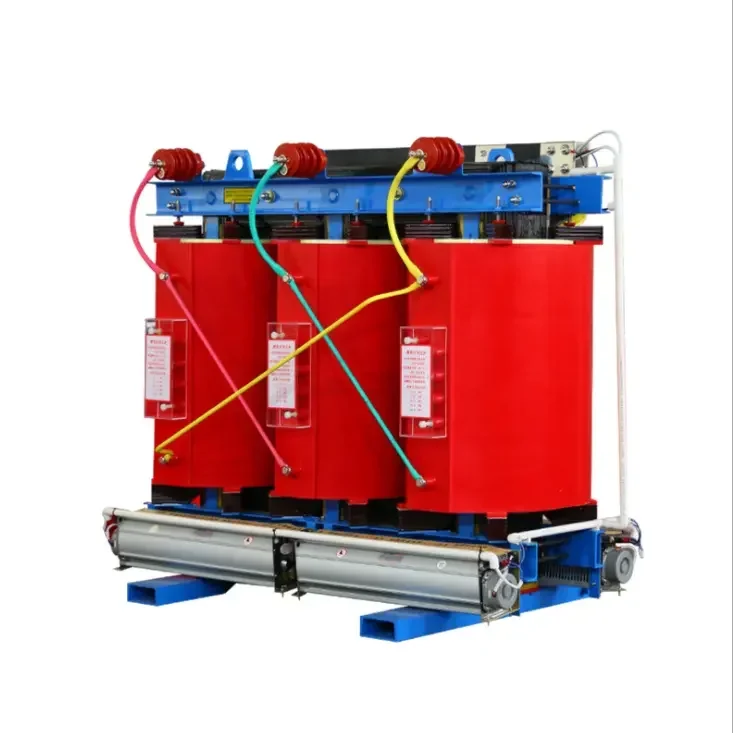
What Is a Cast Resin Dry-Type Transformer?
A cast resin dry-type transformer is a transformer that uses solid epoxy resin as the primary insulation material for its windings. Unlike oil-filled transformers, it does not rely on insulating oil for cooling or electrical insulation.
During manufacturing, the high-voltage windings are encapsulated with epoxy resin through a vacuum casting process. This creates a solid insulation structure that protects the transformer from environmental factors and improves mechanical stability.
The main components of a cast resin dry-type transformer include:
-
Magnetic core
-
High-voltage windings
-
Low-voltage windings
-
Epoxy resin insulation system
-
Cooling ducts
-
Temperature monitoring devices
-
Protective enclosure (optional)
Depending on the application requirements, these transformers can be designed with different cooling methods, including:
-
AN (Air Natural Cooling): Uses natural airflow for heat dissipation
-
AF (Air Forced Cooling): Uses fans to improve cooling performance and increase load capacity
Because of their oil-free design, cast resin transformers are particularly suitable for locations where fire safety, environmental protection, and operational reliability are critical.
Key Features of Cast Resin Dry-Type Transformers
1. Advanced Epoxy Resin Insulation System
The most distinctive feature of a cast resin dry-type transformer is its epoxy resin insulation technology.
The epoxy resin completely surrounds the windings, creating a protective barrier that provides:
-
High dielectric strength
-
Excellent moisture resistance
-
Strong mechanical protection
-
Stable electrical performance
Compared with traditional insulation methods, epoxy resin offers better resistance against environmental stress and helps maintain reliable operation over the entire service life of the transformer.
This insulation system is especially valuable in industrial environments where transformers may be exposed to dust, humidity, vibration, or chemical contamination.
2. Oil-Free and Fire-Safe Design
One of the biggest advantages of cast resin dry-type transformers is that they do not contain insulating oil.
Traditional oil-immersed transformers use mineral oil for insulation and cooling. Although oil provides excellent thermal performance, it also introduces risks such as:
-
Fire hazards
-
Oil leakage
-
Environmental contamination
Cast resin transformers eliminate these concerns because they use solid insulation materials instead of flammable liquids.
Their fire-resistant characteristics make them ideal for applications where safety is a priority, including:
-
Manufacturing plants
-
Hospitals
-
Airports
-
Underground facilities
-
High-rise buildings
-
Public transportation systems
3. Excellent Resistance to Moisture and Contamination
Industrial environments often expose electrical equipment to harsh operating conditions.
Cast resin dry-type transformers are designed to withstand:
-
High humidity
-
Dust
-
Salt spray
-
Industrial pollutants
-
Chemical vapors
The epoxy resin encapsulation prevents moisture penetration into the windings, reducing the risk of insulation failure.
This makes them suitable for:
-
Coastal industrial facilities
-
Mining operations
-
Chemical plants
-
Wastewater treatment facilities
-
Marine-related applications
4. Strong Mechanical Strength
Electrical transformers may experience significant mechanical stress during operation, especially during short-circuit events.
The solid resin structure provides strong mechanical support for the windings, improving resistance against:
-
Electromagnetic forces
-
Short-circuit impacts
-
Transportation vibration
-
Thermal expansion and contraction
This improves overall reliability and reduces the risk of internal damage.
5. Low Maintenance Requirements
Maintenance costs are an important consideration when selecting electrical equipment.
Compared with oil-immersed transformers, cast resin dry-type transformers require much less maintenance.
They do not require:
-
Oil testing
-
Oil replacement
-
Leakage inspection
-
Oil filtration systems
Routine maintenance typically includes:
-
Cleaning dust from surfaces
-
Checking ventilation conditions
-
Inspecting electrical connections
-
Monitoring operating temperatures
The simplified maintenance process helps reduce downtime and operating costs.
6. Compact and Flexible Installation
Cast resin dry-type transformers provide excellent installation flexibility.
Because they do not require oil containment systems, they can be installed in locations where traditional transformers may be difficult to use.
Benefits include:
-
Reduced installation complexity
-
Smaller supporting infrastructure requirements
-
Easy indoor installation
-
Flexible placement near load centers
This makes them particularly useful in urban environments where space is limited.
Benefits of Cast Resin Dry-Type Transformers
1. Improved Electrical Safety
Safety is one of the primary reasons industries choose cast resin transformers.
Their oil-free design reduces:
-
Fire risks
-
Explosion possibilities
-
Environmental hazards
For facilities where continuous operation and personnel safety are critical, such as hospitals and data centers, cast resin transformers provide an additional layer of protection.
2. Enhanced Reliability and Longer Service Life
A reliable transformer is essential for maintaining stable power distribution.
Cast resin transformers offer long-term reliability because of:
-
Stable insulation performance
-
Strong mechanical construction
-
Resistance to environmental damage
-
Reduced maintenance requirements
When properly installed and operated, they can provide decades of dependable service.
3. Lower Total Cost of Ownership
Although cast resin transformers may have a higher initial purchase cost compared with some oil-immersed transformers, they can provide significant long-term savings.
Cost advantages include:
-
Lower maintenance expenses
-
Reduced downtime
-
No oil replacement costs
-
Lower environmental management requirements
For many industrial projects, lifecycle cost is more important than initial investment.
4. Environmentally Friendly Operation
Sustainability has become an important consideration in modern electrical engineering.
Cast resin dry-type transformers support environmentally responsible operations because they:
-
Do not use oil
-
Eliminate oil leakage risks
-
Reduce hazardous waste
-
Require fewer maintenance resources
They are an excellent choice for green buildings and environmentally sensitive projects.
5. Better Adaptability to Modern Power Systems
Modern electrical systems are becoming more complex due to:
-
Renewable energy integration
-
Digital infrastructure
-
Increased automation
-
Smart grid development
Cast resin transformers can be integrated with advanced monitoring systems, including:
-
Temperature sensors
-
Remote monitoring devices
-
Condition monitoring systems
These technologies support predictive maintenance and improve system efficiency.
Industrial Applications of Cast Resin Dry-Type Transformers
1. Manufacturing and Industrial Plants
Manufacturing facilities require stable and reliable power supplies for production equipment.
Cast resin transformers are widely used in industries such as:
-
Automotive manufacturing
-
Electronics production
-
Machinery processing
-
Steel production
-
Chemical manufacturing
Their resistance to dust, vibration, and harsh environments makes them suitable for demanding industrial applications.
2. Data Centers
Data centers require uninterrupted and highly reliable power distribution.
Cast resin dry-type transformers are commonly selected because they provide:
-
High safety performance
-
Low maintenance requirements
-
Reliable operation
-
Reduced fire risk
Their compact design also helps optimize limited installation space.
3. Renewable Energy Projects
The growth of renewable energy has increased demand for reliable transformer solutions.
Cast resin transformers are used in:
-
Solar power plants
-
Wind energy systems
-
Energy storage facilities
They help convert and distribute electricity efficiently while meeting safety and environmental requirements.
4. Hospitals and Healthcare Facilities
Hospitals require electrical systems that can operate continuously and safely.
Cast resin dry-type transformers are preferred because they offer:
-
High fire safety
-
Reliable performance
-
Low maintenance needs
-
Indoor installation capability
They are often used for critical power distribution systems.
5. Commercial Buildings
Modern commercial buildings require efficient and safe electrical infrastructure.
Applications include:
-
Office buildings
-
Shopping centers
-
Hotels
-
Exhibition centers
The compact design and safety advantages make cast resin transformers a practical solution for urban construction projects.
6. Transportation Infrastructure
Transportation systems depend on reliable power equipment.
Cast resin transformers are used in:
-
Railway stations
-
Metro systems
-
Airports
-
Tunnel power systems
Their ability to operate safely in enclosed spaces makes them especially valuable for transportation applications.
Factors to Consider When Selecting a Cast Resin Dry-Type Transformer
Choosing the right transformer requires careful evaluation of several factors.
Rated Capacity
The transformer capacity should match the electrical load requirements while allowing reasonable future expansion.
Voltage Level
Ensure the transformer matches the input and output voltage requirements of the power system.
Cooling Method
Select AN or AF cooling based on load conditions and installation environment.
Environmental Conditions
Consider:
-
Temperature
-
Humidity
-
Dust levels
-
Corrosion risks
Manufacturer Quality
A reliable transformer manufacturer should provide:
-
Advanced production technology
-
Strict quality control
-
Comprehensive testing
-
Technical support
Conclusion
The cast resin dry-type transformer has become an essential solution for modern electrical power distribution due to its excellent safety, reliability, environmental performance, and low maintenance requirements.
Its epoxy resin insulation system provides strong protection against moisture, contamination, and mechanical stress, while its oil-free design significantly reduces fire and environmental risks.
From industrial plants and renewable energy projects to hospitals, data centers, and transportation systems, cast resin dry-type transformers provide a reliable and efficient way to support modern power infrastructure.
As industries continue to prioritize safety, sustainability, and operational efficiency, cast resin dry-type transformers will remain a key technology for the future of electrical distribution systems.
www.vensolws.com
vensolws